Can Tire Valve Caps Survive a Car Wash?
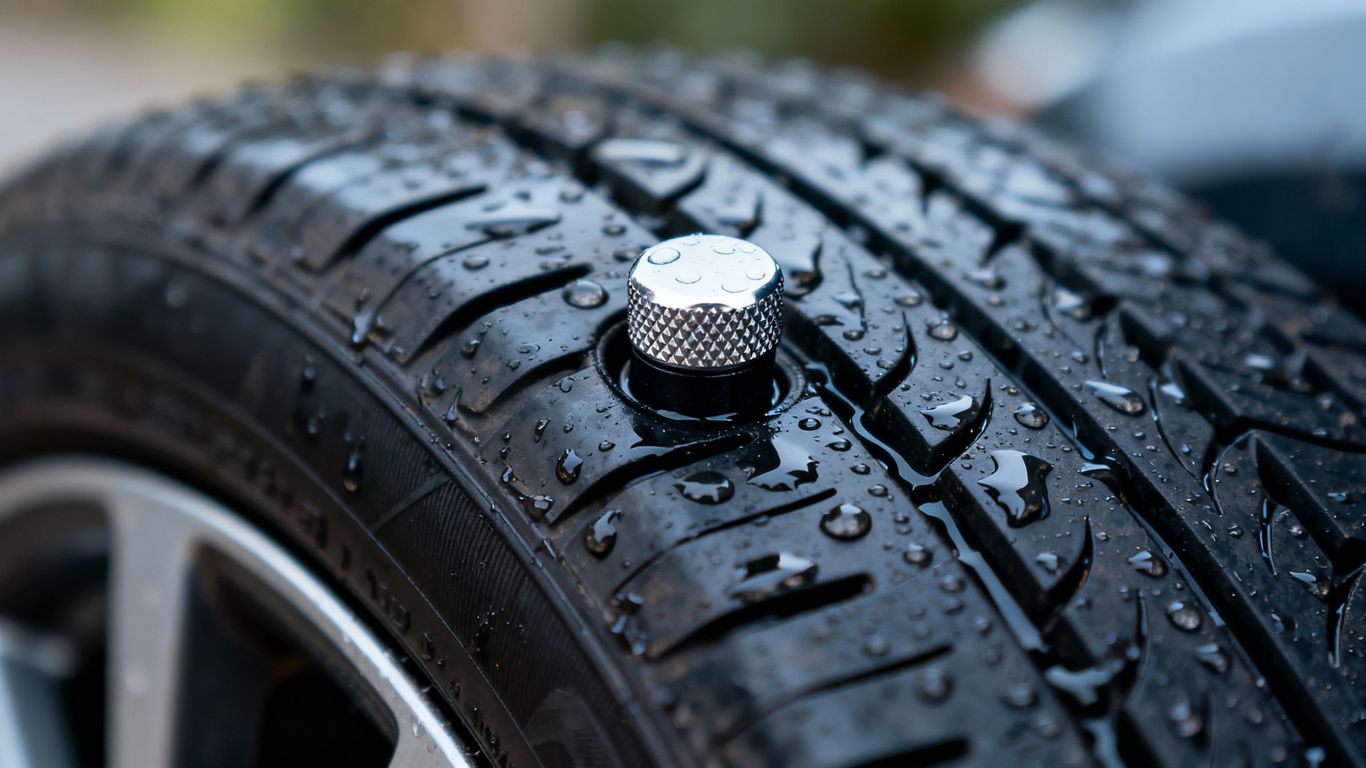
So, you're wondering if those little tire valve caps can actually survive a trip through the car wash? It's a fair question. You see them on cars everywhere, but what happens when they hit the brushes and the high-pressure water jets? We're going to break down whether these small but important parts are built tough enough for the wash cycle, or if they're just going to end up lost in the suds. Let's find out.
Key Takeaways
- Many tire valve caps, especially cheaper plastic ones, can get knocked off or damaged during an automatic car wash due to the strong brushes and water pressure.
- Caps made from durable materials like aluminum alloy are more likely to withstand the car wash environment, resisting rust and extreme temperatures.
- A good tire valve cap should have a secure, leak-proof seal to keep dirt and moisture out, which is important year-round, not just during washes.
- While car washes can be tough, factors like road salt, grit, and extreme weather also test the durability of tire valve caps over time.
- Choosing caps made from quality materials with a universal fit offers the best chance for them to survive washes and add a bit of style to your vehicle.
The Great Tire Valve Cap Car Wash Challenge
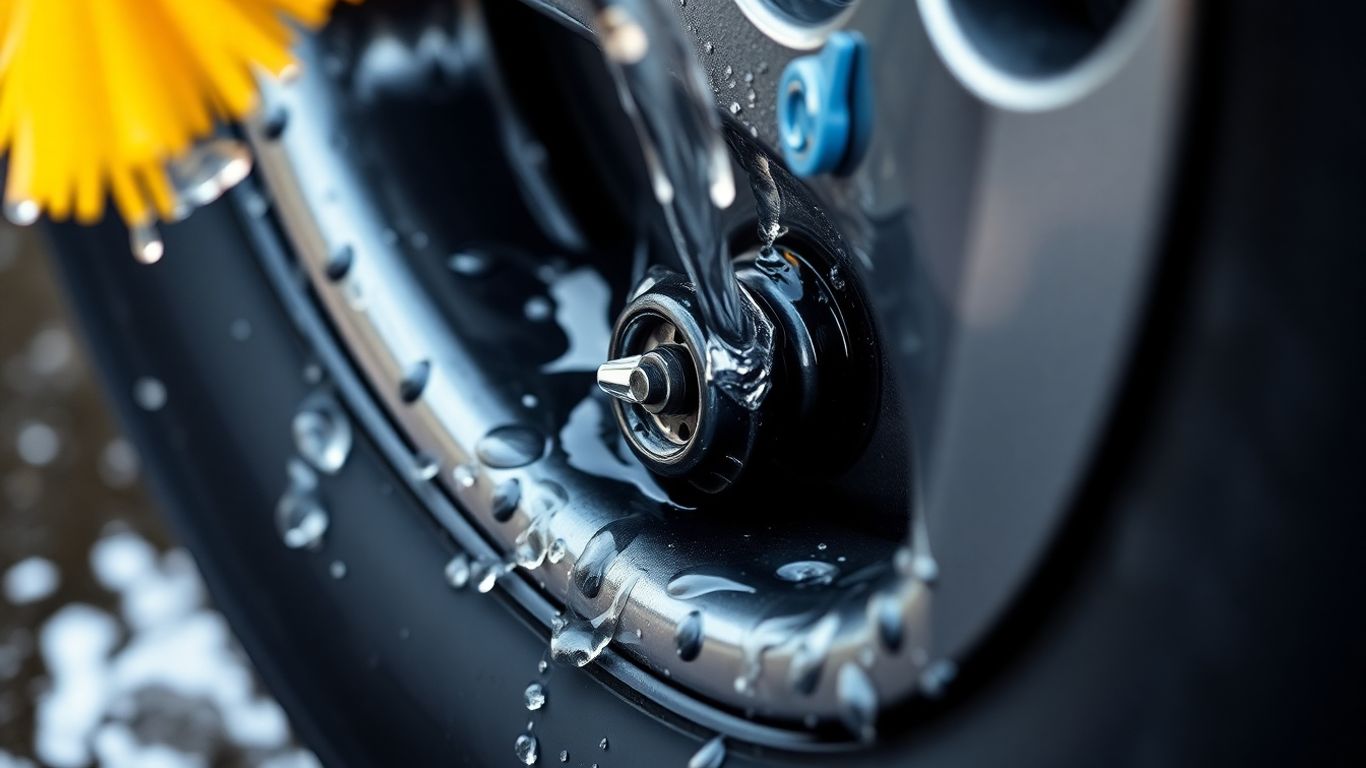
Will Your Tire Valve Caps Survive the Suds?
So, you've just given your trusty steed a spa day at the local automatic car wash. You pull out, sparkling and smelling faintly of cherry-scented soap, feeling pretty good about yourself. But then, a nagging thought creeps in: what about those little guys on your tires? Those humble valve caps. Did they make it through the sudsy onslaught, the spinning brushes, and the high-pressure rinse? It's a question that plagues many a car owner, a tiny mystery lurking at the base of your tires.
A Spin Through the Car Wash: Friend or Foe?
Think about it. Your car is being tossed around like a salad in a giant washing machine. Brushes are whirring, water is blasting, and who knows what else is going on in there. Are those little plastic or metal caps designed to withstand such a vigorous ordeal? Some might be tough cookies, built to withstand the elements. Others? Well, they might just be along for the ride, hoping for the best. It’s a real gamble, and frankly, a bit of a drama for something so small.
The Ultimate Test for Tire Valve Caps
This is where things get serious. We're talking about putting valve caps through the wringer, literally. We want to know if they can handle the aggressive cleaning cycles, the potential for snagging on rogue brushes, and the sheer force of the water jets. It's not just about looking pretty; it's about survival. Can they keep their cool (and stay attached) when the car wash goes into overdrive? Let's find out if your valve caps are built for the battlefield of the automatic wash.
Built Tough: Materials That Matter for Tire Valve Caps
Aluminum Alloy: The Unsung Hero of Tire Valve Caps
Let's be honest, most of us don't give our tire valve caps a second thought. They're just little plastic doodads, right? Wrong! When it comes to surviving the car wash gauntlet, the material really does matter. Forget those flimsy plastic ones that look like they've been through a shredder after one go. We're talking about the heavy hitters, the ones made from good old aluminum alloy. These bad boys are built to last, resisting rust and corrosion like a champ. They can handle the heat, the cold, and even the occasional rogue car wash brush trying to make a snack out of them. Anodized aluminum alloy is your best bet for caps that won't bail on you. It's tough, it looks good, and it keeps your valve stems safe from the elements.
Beyond Plastic: Why Cheap Caps Are a Washout
So, why do those super cheap plastic caps always seem to disappear or break? Well, they're usually made from the cheapest plastic available, which means they get brittle when it's cold and melty when it's hot. Think of them as the fast-food of valve caps – cheap, readily available, but not exactly built for the long haul. They can crack easily, especially in extreme temperatures, and let's not even talk about how they react to road salt. They just can't handle the pressure, literally. You'll find yourself replacing them more often than you'd like, which, in the end, isn't really saving you any money. It's like buying a leaky umbrella; it might keep the rain off for a minute, but you'll end up soaked.
Sealing the Deal: Leak-Proof Tire Valve Caps
Beyond just looking pretty and not falling off, a good valve cap needs to do one more thing: keep the air in. This is where the sealing technology comes into play. You want caps that have a rubber O-ring or liner inside. This little rubbery bit creates an airtight seal, preventing any sneaky air leaks. It's like a tiny bodyguard for your tire pressure. Some caps even have a knurled design on the outside, which gives you a better grip, especially if you're wearing gloves or if things get a bit wet and slippery. This dual protection – keeping dirt out and air in – is what separates a decent valve cap from a truly great one. It’s the difference between a tire that stays properly inflated and one that’s always a little bit sad and squishy.
Here's a quick rundown of what to look for:
- Material: Aluminum alloy is king. Avoid brittle plastics.
- Seal: Look for an inner rubber O-ring for an airtight seal.
- Grip: Knurled exterior helps with installation and removal.
- Durability: Caps that can withstand a wide temperature range (-40°F to 300°F) are ideal.
A good valve cap isn't just about preventing dirt from getting into your valve stem. It's about maintaining tire pressure, protecting the threads from corrosion, and generally making your life a little bit easier. Don't underestimate the power of a well-made cap!
Car Wash Chaos: What Can Go Wrong?
So, you've decided to brave the automatic car wash, thinking your trusty tire valve caps will just shrug off the suds and brushes. Think again! While some caps are built like tiny tanks, others are about as resilient as a wet paper bag in a hurricane. Let's talk about the potential pitfalls of letting your car, and its little valve cap guardians, go for a spin.
The Case of the Vanishing Valve Cap
Ever driven out of a car wash and felt that nagging sense that something's... off? It might be the phantom limb syndrome of a missing valve cap. These little guys can be surprisingly aerodynamic, or rather, un-aerodynamic when subjected to the high-pressure jets and spinning brushes of an automatic wash. They can get snagged, twisted, or simply blasted right off their posts. It's like a tiny, plastic game of 'Where's Waldo?' but Waldo is your missing valve cap, and it's probably somewhere in the car wash drainage system.
When Brushes Attack: Tire Valve Cap Survival
Those big, fluffy (or sometimes, not-so-fluffy) brushes are designed to scrub dirt off your car. But what happens when they encounter a small, protruding plastic or metal bit like a valve cap? Depending on the cap's material and how securely it's attached, the brushes can either gently nudge it, spin it off, or, in the case of cheaper, brittle caps, outright shatter it. It's a rough neighborhood in there, and not all valve caps are cut out for the rough-and-tumble.
Road Salt and Grit: The Unseen Enemies
Even if your valve caps survive the initial wash cycle, the battle isn't over. Winter road salt and the general grit that accumulates on your tires can be abrasive. Over time, this can wear down the threads where the valve cap screws on, making it looser and more susceptible to falling off later. It’s a slow, insidious attack, like a tiny, gritty ninja working away at your tire’s defenses. Plus, if you've ever had to deal with a rusted-on valve cap, you know that sometimes, the real enemy is just plain old corrosion.
Beyond the Wash: Tire Valve Caps in the Wild
Desert Heat to Mountain Cold: All-Weather Warriors
So, you've survived the car wash gauntlet. But what about the real world? Your humble tire valve caps are out there, facing the elements like tiny, unsung heroes. Think about it: one minute they're baking in a desert sun that could fry an egg on your dashboard, the next they're shivering in a mountain freeze that makes your teeth chatter. These little guys have to be tough. They're not just decorative; they're protecting your tire's vital air supply from all sorts of nasties.
Road Trip Ready: Tire Valve Caps on Adventure
Picture this: you're on a cross-country road trip. Your car is packed, the snacks are plentiful, and you're ready to eat up the miles. Your tire valve caps are along for the ride, too. They're dealing with:
- Dust storms that turn the sky orange.
- Potholes that feel like mini earthquakes.
- Rain, sleet, and maybe even a rogue snowball if you're heading north.
- The constant vibration of the open road.
They need to stay put and keep doing their job, no matter what the highway throws at them. A loose cap on a long drive? That's a recipe for a slow leak and a very unhappy traveler.
Bigfoot Approved: Personality for Your Tires
Who says valve caps have to be boring? Forget those plain black plastic things. Nowadays, you can get valve caps that show off your personality. We're talking about everything from sleek metal designs to fun, quirky shapes. Want to roll with Bigfoot on your tires? You can do that. How about some cool, stylized designs that make your wheels pop? Yep, that's an option too. It's a small detail, but it adds a bit of flair. It’s like giving your car a little wink and a smile. Plus, these aren't just for show; many are made from sturdy aluminum alloy, meaning they can handle the rough and tumble of daily driving while looking good doing it. It’s a win-win for style and substance.
Choosing Your Tire Valve Cap Champion
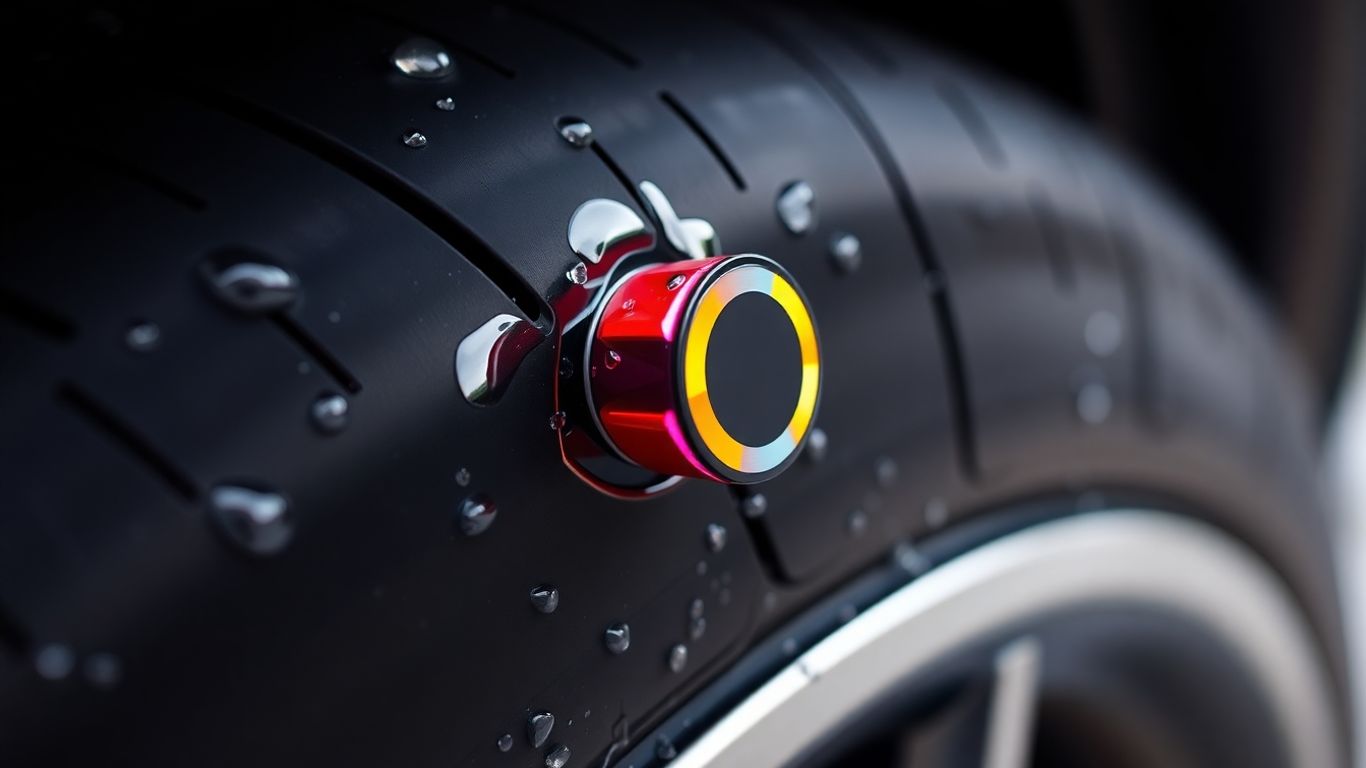
Alright, so you've survived the car wash gauntlet, and your tire valve caps are still clinging on for dear life. But now comes the real question: which ones are worthy of being called your tire's champion? It’s not just about slapping any old plastic nub onto your Schrader valve; we’re talking about finding a cap that’s as tough as it is stylish, a true guardian of your tire pressure.
Universal Fit: The Tire Valve Cap for Everyone
Look, nobody wants to play a guessing game when it comes to buying tiny bits of plastic or metal. The good news is, most tire valve caps are designed to fit the standard Schrader valves found on pretty much everything with tires – cars, trucks, motorcycles, and even most bicycles. Think of it like a one-size-fits-all t-shirt, but for your valve stems. You're looking for that satisfying click when you screw them on, not a struggle or a loose wobble. If it fits a standard Schrader valve, it's probably going to work. Easy peasy.
Installation: Easier Than Changing a Flat
Let’s be real, changing a flat tire is a whole production. Installing valve caps? That’s practically a spa treatment for your tires. You don’t need a toolbox, a degree in engineering, or even a YouTube tutorial (though, let’s be honest, those can be entertaining). Just grab your new caps, line them up with the valve stem, and give them a gentle twist. Hand-tight is the name of the game. Seriously, it takes about as long as it takes to say "tire valve cap." You can even do it with gloves on if you’re feeling fancy, thanks to some nifty knurling on the better caps.
Gift Ideas That Won't Get Washed Away
Struggling to find a gift for that car-obsessed friend or the cyclist who has everything? Forget the novelty air fresheners that lose their scent in a week. Tire valve caps are the unsung heroes of automotive accessories. They’re practical, they’re affordable, and with the sheer variety out there, you can find something that screams personality. Think about it: cool aluminum alloy caps with a subtle design, or maybe something a bit more whimsical like Bigfoot or evil eye patterns for the driver who likes to stand out. They’re the kind of gift that says, "I thought about you, and I also thought about your tires not getting gunked up."
Here’s a quick rundown of what makes a good cap gift:
- Material Matters: Aluminum alloy is your friend. It’s tough, resists rust, and won’t crack like cheap plastic.
- Seal the Deal: Look for caps with a rubber O-ring inside. This little guy is the secret weapon against air leaks and keeps the nasties out.
- Style Points: Does the recipient have a favorite sports team, a quirky hobby, or just a love for all things shiny? There’s a cap for that.
Choosing the right tire valve cap is less about a high-stakes decision and more about picking a small accessory that offers a big boost in both protection and personal flair. It’s the little things, right?
The Verdict: Can Tire Valve Caps Handle the Pressure?
So, after all that car wash chaos, the spinning brushes, the soapy deluge, and the general automotive mayhem, what's the final word on our humble tire valve caps? Can they actually survive the ordeal, or are they destined to become casualties of cleanliness?
Tested Against the Elements (and Soap)
Let's be real, a car wash is basically a miniature obstacle course for your car's accessories. We're talking high-pressure water jets that could probably clean a stubborn driveway, brushes that look like they're auditioning for a wrestling match, and enough soap to lather up a small village. For valve caps, this means facing:
- Impact: Getting smacked by those big, fluffy brushes.
- Water Pressure: Being blasted from multiple angles.
- Chemicals: Soaking in a cocktail of car wash detergents.
Most decent valve caps, especially those made from aluminum alloy, are built to take a beating. They're designed to resist corrosion from road salt and moisture, so a little soap and water usually isn't a big deal. Think of them as tiny, unsung heroes guarding your tire's air supply. They're not just pretty faces; they're built tough. Some even boast a two-year replacement warranty, which is pretty solid for something so small.
A Warranty for Your Peace of Mind
Speaking of warranties, it's always a good sign when a product backs itself up. Many of the better valve caps come with a guarantee, often around two years. This isn't just a marketing gimmick; it shows the manufacturer has confidence in their product's durability. If your fancy new caps decide to peace out after a few washes, a warranty means you're not just out of luck (and money). It’s a nice little safety net, especially if you've splurged on something a bit more premium, unlike those expensive tire valve caps that might look cool but offer questionable longevity.
Hand Wash vs. Automatic: A Tire Valve Cap's Perspective
There's a definite difference in how automatic and hand washes treat your valve caps. Automatic washes are the wild west – more aggressive, more unpredictable. The sheer force and the variety of brushes can be a lot. Hand washing, on the other hand, is like a spa day for your car. You have more control, and it's generally gentler. So, while a good quality cap should survive an automatic wash, it's definitely going to have an easier time during a nice, calm hand wash. It’s all about how much pressure you’re willing to put your little valve cap buddies through.
So, Do They Survive? The Verdict is In!
Well, folks, after all that splashing and scrubbing, it seems like most decent tire valve caps are tougher than a two-dollar steak. The fancy aluminum ones with their rubber seals? They pretty much just shrug off the car wash like it's a spa day. They're built to handle all sorts of weather, so a little soap and water is no biggie. The cheap plastic ones, though? Yeah, those might decide to take a vacation somewhere down the drain. So, if you're worried about your little valve cap buddies going AWOL, maybe stick to hand washing or just get the good stuff. Your tires will thank you, and you won't have to go on a scavenger hunt for missing parts.
Frequently Asked Questions
Can automatic car washes knock off my tire valve caps?
Yes, some car washes, especially automatic ones with spinning brushes, can sometimes knock off tire valve caps. Cheaper plastic ones are more likely to fly off. It's a good idea to make sure your caps are on tight or consider using sturdier ones made from metal alloy.
What are tire valve caps made of?
Tire valve caps are made from different materials. You'll find basic plastic ones, but better quality ones are often made from aluminum alloy. This metal is strong, doesn't rust easily, and can handle hot and cold temperatures well, making it a good choice for durability.
Why are some tire valve caps better than others?
Better tire valve caps are made from strong materials like aluminum alloy and have features to prevent air leaks. They are designed to protect your tire valves from dirt, water, and road salt. Cheap plastic caps can crack or break easily, and sometimes metal caps can get stuck or corrode.
What problems can happen with tire valve caps in a car wash?
In a car wash, the main issues are caps getting knocked off and lost. Sometimes, the harsh brushes or high-pressure water can cause them to detach. Over time, dirt, salt, and moisture can get into the valve stem if the cap isn't sealing properly, which can lead to problems.
How do I put on tire valve caps?
Putting on tire valve caps is super easy! You just screw them onto the tire's valve stem by hand. No tools are needed. Just make sure they are snug so they don't fall off, but don't overtighten them.
Are tire valve caps important?
Yes, they are important! Tire valve caps keep dirt, water, and debris out of your tire's valve stem, which helps prevent air leaks and keeps your tires properly inflated. They also protect the valve threads from damage and corrosion, especially in tough weather conditions.


Comments
Post a Comment