The Environmental Impact of Losing Valve Stem Caps
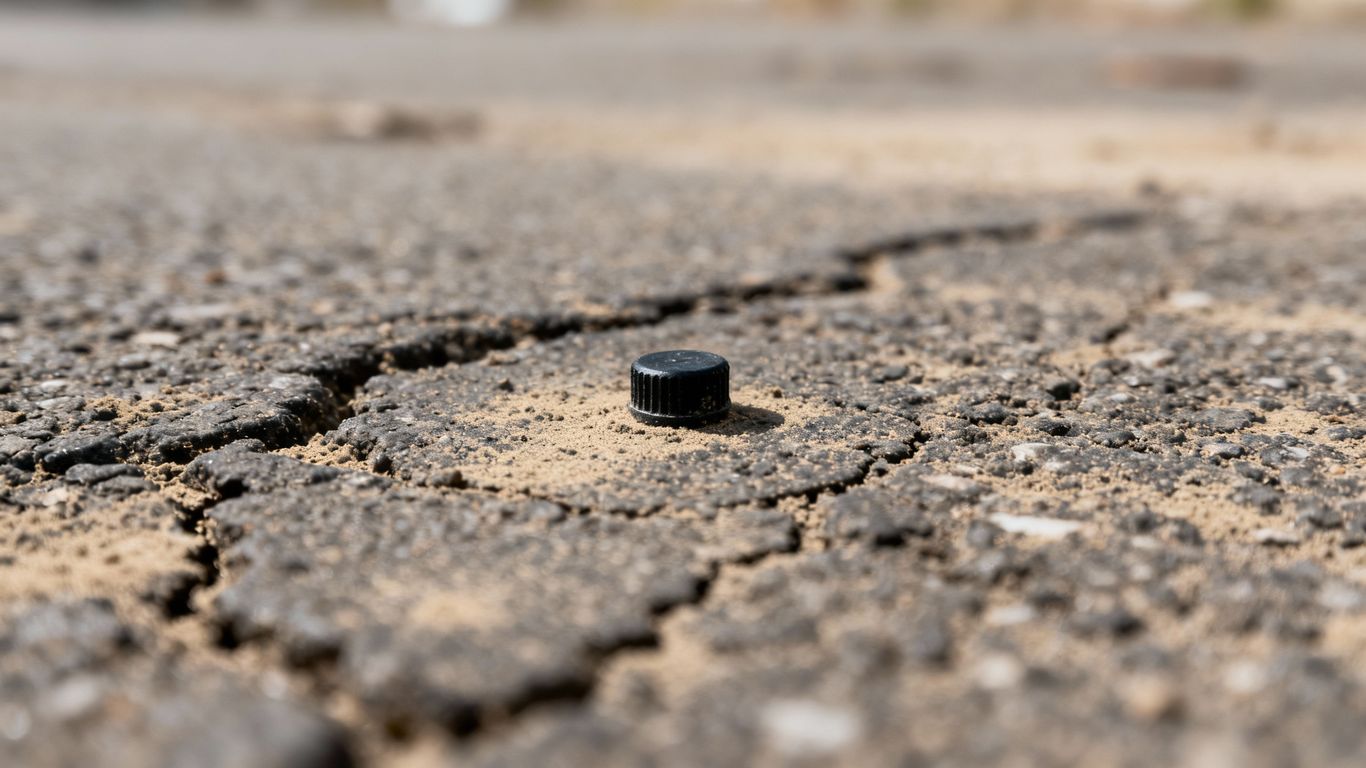
You know, those little valve stem caps on your tires? They seem pretty minor, right? Like, who even notices them unless they're missing? Turns out, these tiny plastic or metal bits do more than just look okay. They actually play a role in keeping your tires healthy and your car running smoothly. Losing them might not seem like a big deal at first, but it can lead to a surprising number of issues down the road. Let's talk about why these small parts matter.
Key Takeaways
- Valve stem caps keep dirt, debris, and moisture out of your tire's valve stem, preventing damage and leaks.
- Missing or damaged valve stem caps can lead to slow air leaks, corrosion, and difficulty inflating tires.
- Galvanic corrosion can occur when dissimilar metals in the valve stem and core come into contact with moisture, weakening the stem.
- Regularly inspect your valve stems for cracks, wear, or corrosion, and replace valve stems every 4-6 years or with new tires.
- Using the correct valve cap with a seal is important for protecting the valve stem, especially on vehicles with Tire Pressure Monitoring Systems (TPMS).
The Great Valve Stem Cap Caper: Where Did They Go?
Alright, let's talk about the tiny titans of tire health: valve stem caps. You know, those little plastic or metal doodads that seem to vanish into the ether faster than a free donut at a car meet? It’s a mystery that plagues drivers everywhere. One minute they’re snug on your valve stems, the next? Poof! Gone. It's like a miniature magic show, but with less applause and more potential tire trouble.
The Case of the Vanishing Valve Stem Caps
Seriously, where do they go? Do they elope with lost socks from the dryer? Do they form a secret society in the dark corners of your car's interior? The truth is, they're small, they're often made of plastic, and they don't have any fancy clips or tethers. This makes them prime candidates for a spontaneous departure. A strong gust of wind, a careless bump against a curb, or even just the vibrations of the road can send them on their merry way. It’s a common enough occurrence that you’d think there’d be a support group for owners of uncapped tires.
Tiny Treasures, Big Problems
These little guys might seem insignificant, but their absence can lead to some surprisingly annoying issues. Think of them as the bouncers at the door of your tire's air supply. Without them, all sorts of unwelcome guests can waltz right in. We're talking dirt, dust, tiny pebbles, and general road grime. This gunk can work its way into the valve stem, causing all sorts of mischief down the line. It’s like leaving your front door wide open in a sandstorm – not ideal.
Are Your Valve Stem Caps Playing Hide-and-Seek?
If you’ve ever found yourself rummaging through your glove compartment or kicking around the garage floor looking for a missing cap, you’re not alone. It’s a common frustration. Sometimes, they just fall off during a tire change or a quick inflation at the gas station. Other times, they might get knocked off by road debris. The real kicker is when you buy fancy, expensive valve caps, only to have them disappear just as quickly. It’s enough to make you question the universe's sense of humor. If you're tired of losing them, maybe it's time to look into some more secure options, or at least keep a spare set handy. You can find replacement caps for just about any vehicle, and some even come with little O-rings for a tighter seal.
The Perils of the Uncapped Valve Stem
So, you've lost a valve stem cap. Big deal, right? It's just a tiny piece of plastic or metal. Well, as it turns out, these little guys are more important than you might think. Leaving your valve stems bare is like leaving your front door wide open to all sorts of nasty stuff. It’s not just about looks; it’s about the actual health of your tires.
Dirt, Debris, and the Dreaded Dry Rot
Think about what’s lurking on your roads. We’re talking dirt, grit, tiny pebbles, and all sorts of other road grime. When your valve stem is uncapped, all of that can easily make its way inside. This gunk can mess with the valve core, which is the little spring-loaded thingy that actually holds the air in. If it gets clogged or damaged, you might start experiencing slow leaks. Over time, this constant exposure to the elements, especially UV rays from the sun, can also cause the rubber of the valve stem itself to break down. This is what we call dry rot, and it makes the rubber brittle and prone to cracking. A cracked valve stem is a leaky valve stem, plain and simple.
Moisture's Mischief: A Corrosive Conundrum
Water is another big troublemaker. Rain, puddles, car washes – they all introduce moisture. If that moisture gets into the valve stem, it can start to corrode the metal parts inside, especially the valve core. This is particularly bad news if you have metal valve stems, as they can start to rust. Even if you have rubber stems, the metal components within can suffer. This corrosion can make the valve core stick or even prevent it from sealing properly, leading to air loss. It’s a slow, sneaky process, but it can definitely lead to a flat tire down the road.
When Valve Stems Get Grumpy
When dirt, debris, and moisture get their way, your valve stem can become a real pain. You might notice that it’s harder to inflate your tires. The valve core might get stuck, or it might not seal correctly, making it a struggle to get air in. Sometimes, you might even hear a faint hissing sound, which is your tire slowly but surely losing air because the valve isn't sealing right. These are all signs that your valve stem is unhappy and probably needs some attention. Ignoring these grumpy valve stems can lead to bigger issues, like uneven tire wear or, in the worst case, a sudden flat. It’s always better to keep those little caps on to prevent these problems before they even start. If you're worried about your valve stems, checking for aftermarket light restrictions might be a good idea, as some regulations exist around vehicle lighting tire valve stem lights.
Here are some signs your valve stem might be unhappy:
- Slow Air Leaks: You find yourself topping off your tires more often than usual.
- Hissing or Bubbling: You can hear or see air escaping around the valve stem, especially if you spray it with soapy water.
- Difficulty Inflating: The air pump struggles to fill the tire, or the gauge doesn't register properly.
- Visible Damage: Cracks in rubber stems or corrosion on metal stems.
Neglecting valve stem caps might seem like a minor oversight, but it opens the door to a cascade of problems, from internal gunk buildup to corrosive damage, ultimately compromising your tire's ability to hold air. It's a small protection for a significant component.
Galvanic Corrosion: The Unseen Enemy of Valve Stems
So, you've lost a valve stem cap. Annoying, right? But what you might not realize is that this tiny little piece of plastic or metal is actually doing some pretty important work. Without it, your valve stem is exposed to the elements, and that can lead to a nasty little problem called galvanic corrosion. Think of it like a really bad roommate situation, but with metal.
When Metals Mingle Unhappily
Galvanic corrosion happens when two different metals decide to get cozy in the presence of an electrolyte. In the case of your tires, the valve stem is often made of aluminum (especially if it's part of a TPMS sensor), and the valve core inside is usually brass. Water, road salt, or even just humidity – that's your electrolyte. When these dissimilar metals meet in this watery environment, one of them (the anode, usually the aluminum stem) starts to sacrifice itself, dissolving into the electrolyte and depositing onto the other metal (the cathode, the brass core). It's basically a slow-motion metal breakup, and your valve stem is the one getting the short end of the stick.
The Electrolyte Effect: Water, You Scoundrel!
Water is the main culprit here. It acts as a bridge, allowing the electrical current to flow between the two different metals. Think of it like a tiny, invisible circuit board forming right there on your wheel. The more moisture there is, the faster this whole corrosive process speeds up. Road salt and de-icing chemicals? Even worse. They make the electrolyte more potent, turning a slow drip into a full-on corrosive flood. So, that little bit of moisture you let in by losing your cap? It's like giving this whole process a turbo boost.
Brass vs. Aluminum: A Love-Hate Relationship
Normally, manufacturers try to prevent this. TPMS sensors, for example, often come with a nickel-plated brass valve core, which acts as a barrier. The valve cap itself, when properly sealed with an O-ring, is supposed to keep the moisture out in the first place. But here's where things get tricky: if that nickel plating gets scratched, or if you mix and match parts – like using a steel cap on an aluminum stem with a brass core – you're basically inviting disaster. The wrong combination of metals can accelerate corrosion dramatically. It's like putting two people who can't stand each other in a tiny room with no escape – something's gotta give, and it's usually the metal.
Here's a quick rundown of what happens:
- Anode (Sacrifices itself): Usually the aluminum valve stem.
- Cathode (Receives the deposits): Usually the brass valve core.
- Electrolyte (The facilitator): Water, moisture, road salt.
This process weakens the valve stem over time, making it prone to leaks and, eventually, failure. And nobody wants a failed valve stem, trust me.
Signs Your Valve Stem Is Crying for Help (and a Cap)
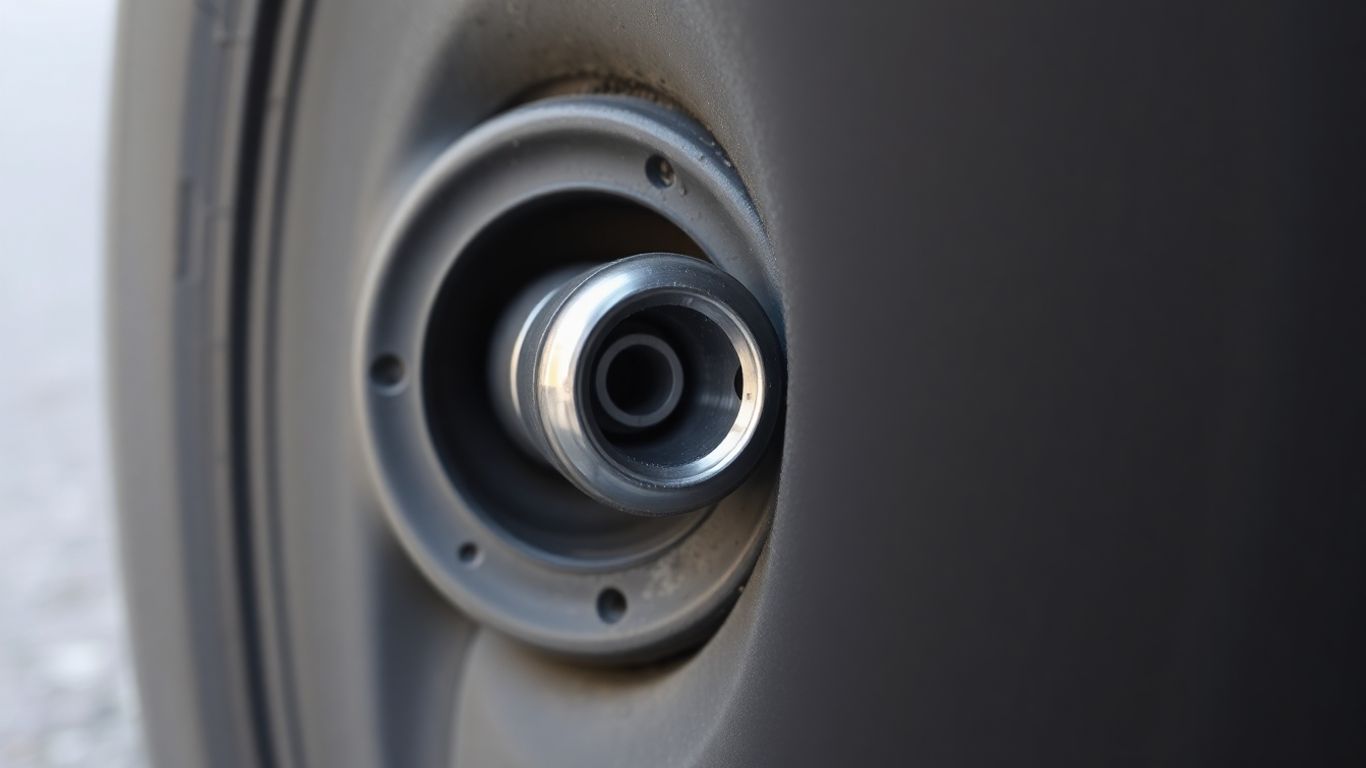
So, you've noticed your tire pressure gauge has been looking a little sad lately, or maybe you've been topping off your tires more often than you'd like. Don't just blame the weather or that rogue nail you might have driven over. Your humble valve stem might be trying to tell you something, and it's probably not happy.
The Slow Leak Lament
This is the most common cry for help. You know, the kind where your tire pressure slowly but surely creeps down over a few days or a week. It's not a dramatic blowout, but more of a persistent sigh of escaping air. If you're constantly adding air, your valve stem is likely the culprit. It's like a leaky faucet in your house – annoying and wasteful. This can lead to uneven tire wear, which nobody wants. You might even find yourself checking the pressure more often than you check your social media feed.
Hissing and Bubbling: A Valve Stem's SOS
Want to play detective? Grab a spray bottle filled with soapy water. Give the valve stem a good spritz. If you see tiny bubbles forming or hear a faint hiss, congratulations! You've found the leak. This usually means the valve core inside isn't sealing properly, or the stem itself has developed a crack. It’s the tire equivalent of a tiny, persistent cough.
Difficulty Inflating: The Stem's Stubborn Stance
Ever tried to put air in your tire, only to feel like you're fighting a losing battle? The air just doesn't seem to be going in, or it takes forever. This could mean your valve stem is clogged with gunk or, worse, it's damaged internally. It’s like trying to drink through a straw that’s been squashed – frustrating and ineffective. A properly functioning valve stem should let air in smoothly when you press the core.
Remember, valve stems are often made of rubber, and like anything rubber left out in the sun and elements, they can get brittle and crack over time. Metal ones can corrode, especially if you live where they salt the roads in winter. Ignoring these signs is like ignoring a squeaky door – it might not seem like a big deal now, but it can lead to bigger problems later. Keeping those little caps on is a surprisingly effective way to prevent a lot of this trouble in the first place. They act as a first line of defense against dirt and moisture, which are the main enemies of a happy valve stem. For more on tire maintenance, check out tire wear information.
Here’s a quick rundown of what to look out for:
- Pressure Drops: Frequent need to add air.
- Visual Clues: Cracks in rubber stems, corrosion on metal stems.
- Auditory Clues: Hissing sounds around the valve.
- Functional Clues: Difficulty inflating the tire.
Valve Stem Cap Etiquette: The Dos and Don'ts
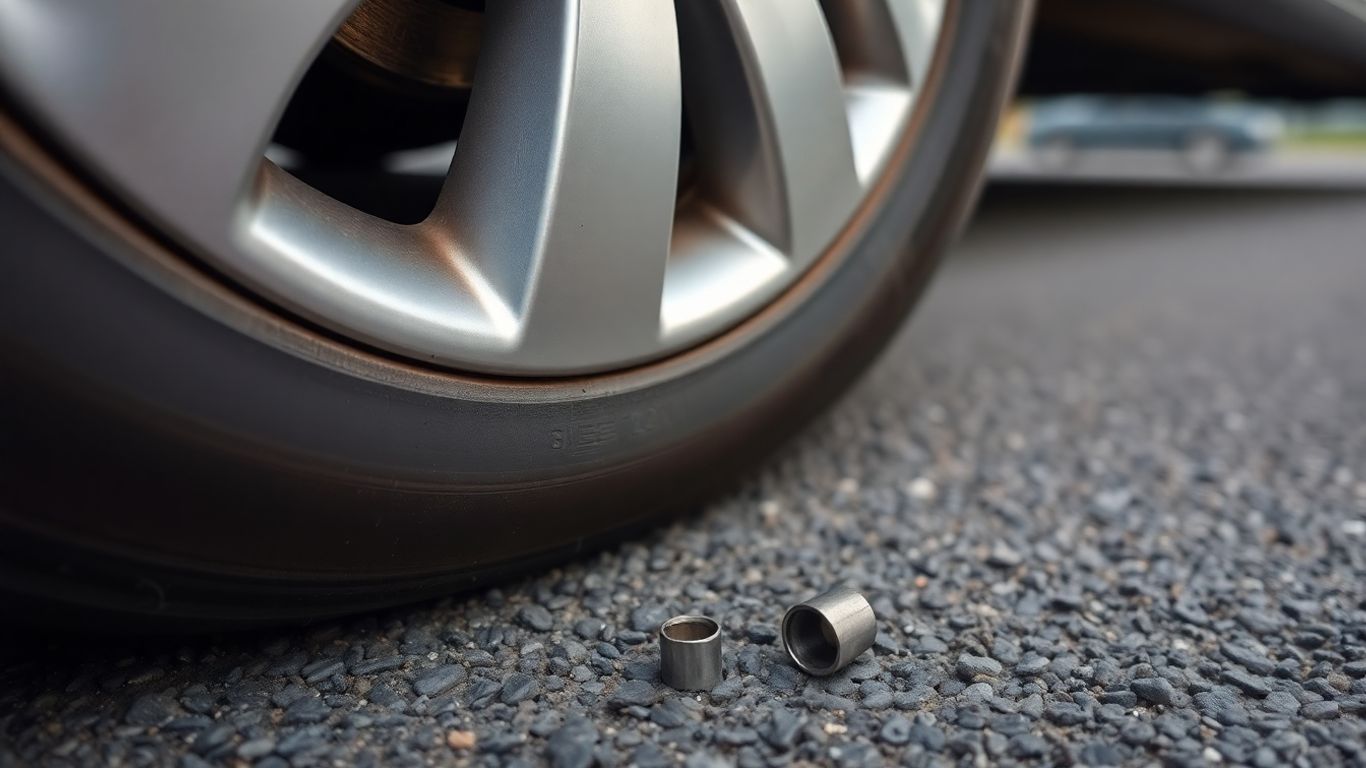
Alright folks, let's talk about the tiny titans of tire health: valve stem caps. These little guys get a bad rap, often tossed aside like yesterday's news. But trust me, treating them with a little respect can save you a whole lot of hassle. It’s not rocket science, but there are definitely some right ways and some… well, let’s just say ‘less ideal’ ways to handle these crucial little doodads.
The Right Cap for the Right Stem
Think of it like dating – you wouldn't try to fit a square peg in a round hole, right? The same goes for valve stem caps. Most cars and trucks use the standard Schrader valve, which is pretty forgiving. But if you've got a fancy bike or something a bit more specialized, you might run into Presta valves. They look different, and they need their own special caps. Using the wrong cap is like wearing socks with sandals – it just doesn't look right and, more importantly, it won't do the job. It’s easy enough to check; just look at your valve stem. If it’s the common one with a little pin in the middle, you’re likely good to go with standard caps. For anything else, a quick peek at your owner's manual or a chat with your local bike shop can clear things up. Don't forget to check out tire valve stem caps for more info on what's out there.
Sealed with a Kiss (or an O-ring)
When you're grabbing new caps, or even just checking your existing ones, pay attention to the seal. Many good caps come with a little rubber O-ring or a similar seal built-in. This isn't just for show; it's the cap's secret weapon against dirt, moisture, and all sorts of gunk that loves to make a home in your valve stem. Without that seal, your cap is basically just a decorative plug. A cap with a good seal helps keep the inside of your valve stem clean and dry, which is super important for preventing corrosion and those annoying slow leaks. It’s a small detail, but it makes a big difference in the long run.
Mixing and Matching: A Recipe for Ruin
This is where things can get dicey. We've all been there – you lose a cap, and you grab one from the junk drawer or maybe even borrow one from a friend's car. While it might fit, it's not always a good idea. The real problem pops up when you mix different types of valve cores and caps, especially with metal valve stems. You've got different metals interacting, and when moisture gets involved, you can get galvanic corrosion. It’s a fancy term for metals basically eating each other away. This can weaken your valve stem over time, leading to leaks or even stem failure. It’s best to stick with caps that are designed for your specific valve stems and avoid using random caps from who-knows-where. If you're unsure, it's always better to get a fresh set of matching caps.
Here’s a quick rundown of what to aim for:
- Use the correct cap type: Schrader for cars, Presta for some bikes.
- Look for a seal: An O-ring or similar helps keep contaminants out.
- Avoid mixing metals: Stick to caps that are compatible with your valve stems.
- Replace lost caps promptly: Don't let a bare valve stem go unprotected for long.
Honestly, most of the time, people don't even think about valve stem caps until one goes missing. But these little guys are working hard behind the scenes. They're the first line of defense against tiny particles and moisture that can cause big problems down the road. So, next time you're checking your tire pressure, give your valve stem caps a nod of appreciation. They've earned it.
The Humble Valve Stem Cap: A Tiny Hero
Okay, let's talk about the unsung heroes of the automotive world: valve stem caps. Seriously, these little guys are often tossed aside, lost under car seats, or just plain forgotten. But honestly, they do a surprisingly big job for their size. Think of them as the tiny bouncers at the VIP club of your tire's air supply. They stand guard, keeping the riff-raff – you know, dirt, dust, and that weird sticky stuff from the road – out of your valve stem. Without them, your valve stem is basically an open invitation for all sorts of gunk to waltz right in.
Protecting Your Precious Pressure
So, what's the big deal about keeping gunk out? Well, that valve core inside your stem is a pretty sensitive piece of equipment. It's what holds all that precious air in your tire. If dirt or debris gets in there, it can mess with the seal. This means you might start experiencing slow leaks, which, let's be honest, is a pain. You know, the kind where you have to keep topping up your tires every few days. These little caps are your first line of defense against that kind of hassle. They create a seal over the valve stem, effectively blocking out dust, dirt, mud, and moisture. This prevents contaminants from entering the valve core, which is crucial for maintaining tire pressure and preventing damage. It’s like putting a tiny lid on a tiny soda bottle to keep it fizzy.
The Unsung Guardian of Tire Health
Beyond just keeping dirt out, these caps also play a role in preventing moisture from getting in. When water hangs out in your valve stem, especially if you have different types of metal involved (we're looking at you, galvanic corrosion!), it can start to cause problems. Think of it as a tiny, localized rust party happening inside your stem. Replacing your valve stems every time you get new tires is a good idea, but keeping those caps on can help extend the life of even older ones. It’s a simple step that contributes to the overall health of your tires, and let's face it, healthy tires mean a safer and more comfortable ride. Plus, they just look neater, don't they?
Why Valve Stem Caps Matter More Than You Think
It's easy to dismiss valve stem caps as trivial. You might even have a collection of mismatched ones rolling around in your glove compartment. But here's the thing: they are a small but important part of your vehicle's maintenance. They help maintain proper tire pressure, which is vital for safety, fuel efficiency, and the longevity of your tires. Ignoring them is like ignoring a tiny squeak in your car – it might not seem like much now, but it could lead to bigger issues down the road. So next time you're at the gas station or the mechanic, take a moment to check if your valve stems are capped. It’s a small act of care that can make a surprising difference. Remember, even the smallest parts play a role in keeping your ride running smoothly and safely. They are, in their own quiet way, true heroes of the road.
- Keep 'em on: Always put caps back on after checking or adding air.
- Right fit: Make sure you're using the correct size cap for your valve stem.
- Check 'em: Give your valve stems and caps a quick look during your regular tire checks.
The simple act of screwing on a valve stem cap might seem insignificant, but it's a small but effective way to protect a vital part of your tire. It's a preventative measure that costs next to nothing and can save you from potential headaches and costly repairs later on. Don't underestimate the power of this tiny guardian.
So, What's the Big Deal About Valve Stem Caps?
Look, losing a valve stem cap might not seem like a world-ending event. You probably won't even notice it's gone until you're staring at a flat tire or, you know, reading an article like this. But hey, if you're the type who likes to keep things tidy and prevent tiny bits of road gunk from staging a hostile takeover of your tire's inner workings, then maybe, just maybe, keeping those little caps on is worth the effort. Think of them as the unsung heroes of your tire's personal space, keeping out the riff-raff. So next time you're at the gas station, give 'em a quick check. It's a small thing, but who knows, it might just save you from a future headache and a slightly less-than-funny story about how you lost a cap and ended up with a flat.
Frequently Asked Questions
Why are valve stem caps so important?
Valve stem caps might seem small, but they're like tiny shields for your tires! They keep dirt, dust, and moisture out of the valve stem. Without them, gunk can get in, causing leaks and making your tire lose air faster. It's a simple way to protect your tires and keep them rolling smoothly.
What happens if I lose my valve stem caps?
Losing your valve stem caps means your tire's valve is exposed to the elements. Dirt and water can sneak in, which can lead to rust or damage over time. This might cause your tire to slowly leak air, or in worse cases, lead to a flat tire. It's like leaving the door open for problems to get in.
Can I just use any cap on my valve stem?
It's best to use the right cap for the job! Most valve stems use standard caps, but if your car has a Tire Pressure Monitoring System (TPMS), it might have special metal stems. Using the wrong cap, especially one made of a different metal, can actually cause a type of rust called galvanic corrosion, which weakens the stem. Always make sure the cap fits well and is made of a compatible material.
How often should I check my valve stems?
You should check your valve stems whenever you check your tire pressure, which is a good habit to get into regularly. Look for any cracks, signs of wear, or corrosion, especially on metal stems. If you notice your tire is always losing air, it's a good sign to have your valve stem checked out by a professional.
How long do valve stems usually last?
Valve stems, especially the rubber ones, don't last forever. They can get dry and crack over time, especially with sun exposure and changing weather. Most experts suggest replacing them every 4 to 6 years, or whenever you get new tires. It's a good idea to replace them when you get new tires because they're already taking the tire off the wheel.
What is galvanic corrosion and how does it affect valve stems?
Galvanic corrosion happens when two different metals touch each other and get wet. Think of it like a tiny battery forming. In valve stems, if a metal stem touches a metal cap or core made of a different metal, and water gets involved, one of the metals can start to break down. This weakens the valve stem, making it more likely to leak or break.


Comments
Post a Comment