Valve Stem Caps: Plastic vs. Metal vs. Aluminum
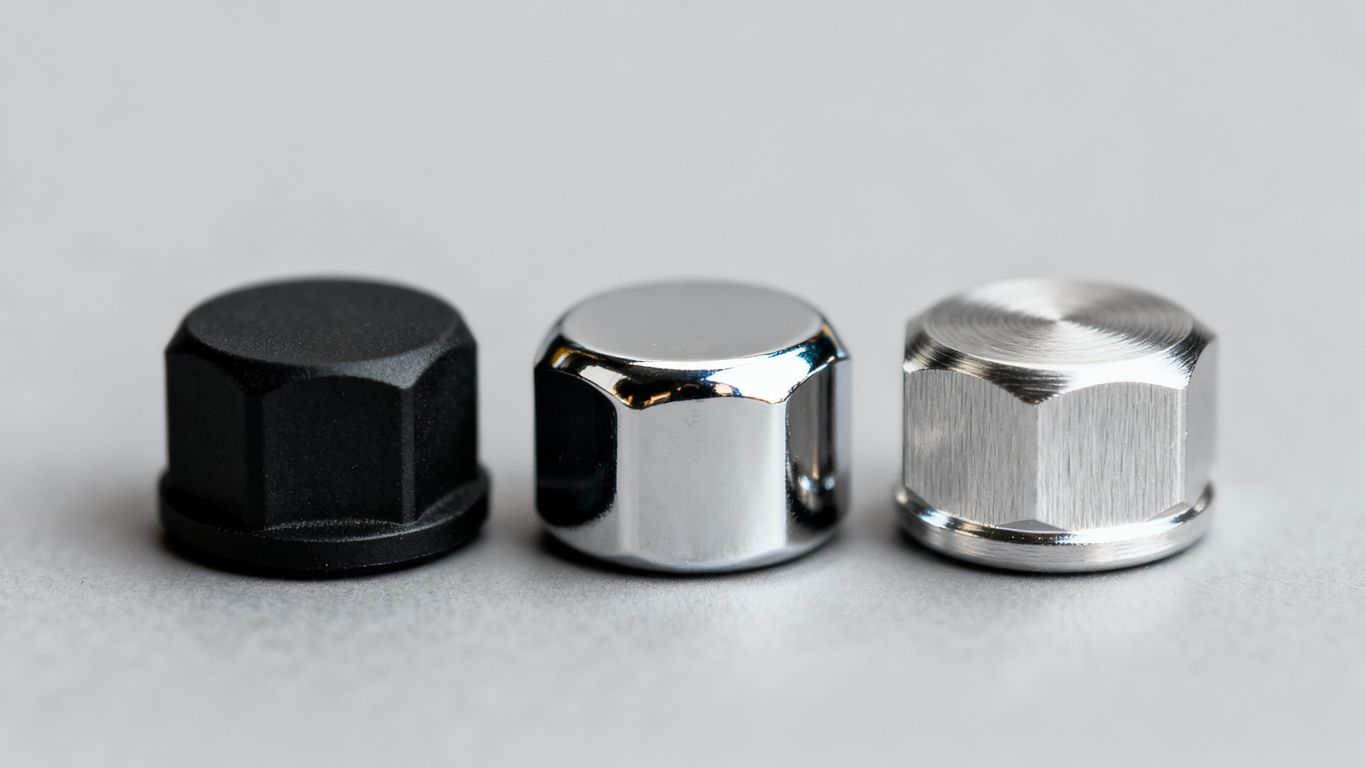
So, you're looking at your tires and notice those little caps on the valve stems. You might wonder, 'Do these even matter?' Well, turns out, these tiny valve stem caps can actually make a difference. We're going to break down the different kinds – plastic, metal, and aluminum – and figure out which ones are worth your time and money. It’s not as simple as it sounds, and there are some real pros and cons to each type.
Key Takeaways
- Plastic valve stem caps are often the best choice because they're less likely to strip threads or rust compared to metal ones.
- Metal valve stem caps, especially aluminum, can corrode and become stuck, particularly in areas where salt is used on roads in winter.
- Some fancy metal caps can get very hot in the sun, making them uncomfortable or even dangerous to touch if you need to check tire pressure when the tires are hot.
- Original equipment manufacturer (OEM) plastic valve stem caps, like those recommended by Porsche, often have a special inner ring for better sealing and corrosion prevention.
- While decorative caps exist, prioritizing function and ease of removal, especially in harsh weather, is generally a good idea for your valve stem caps.
Plastic Valve Stem Caps: The Unsung Heroes
Why Plastic Reigns Supreme (Sometimes)
Alright, let's talk about the little guys. You know, those tiny plastic things that live on your tire valves. They're so small, so… plastic. You probably don't give them a second thought, and honestly, that's kind of their superpower. They're the quiet achievers of the automotive world, doing their job without demanding a parade. These humble plastic caps are often the most sensible choice for keeping gunk out of your valve stems. They're cheap, they're cheerful, and most of the time, they just work. Think of them as the reliable friend who always shows up, never complains, and doesn't cost you a fortune. They're great at keeping out the everyday dust and dirt that can make your valve stems sad and leaky. Plus, they don't have that fancy metal look that might tempt someone to 'borrow' them for their own ride. They're just… there. Doing their thing. And that's pretty heroic, if you ask me.
The Case of the Stubborn Stem
Now, while plastic is usually pretty chill, there's a catch. Ever lived somewhere that uses salt on the roads in winter? Yeah, that stuff is nasty. It can make even the most well-behaved plastic cap a bit of a pain to get off. It's not as bad as metal, mind you, but sometimes you'll find yourself wrestling with it. It’s like that one friend who’s usually great but occasionally decides to be difficult for no good reason. You might need a little extra grip, maybe even a pair of pliers if it’s really being stubborn. It’s not common, but it happens. And when it does, you might start eyeing those shiny metal caps with a bit more interest, even though we both know that’s usually a bad idea.
Keeping It Simple, Keeping It Safe
So, why bother with these little plastic doodads at all? Well, it’s all about keeping things simple and safe. Your valve stems are basically the gateway for air to get into your tires. If they get clogged with dirt, sand, or whatever else the road throws at them, you can start losing air. And nobody wants a flat tire, right? Especially not when you’re already running late. Plastic caps create a basic seal that stops most of that crud from getting in. They’re not fancy, they don’t have a million features, but they do the job. It’s like wearing a helmet when you ride a bike – it’s not the most stylish accessory, but it’s a smart move to protect yourself (or in this case, your tires).
- Prevents Debris: Keeps dust, dirt, and small pebbles out of the valve stem.
- Maintains Seal: Helps prevent slow air leaks that can happen if the valve core gets gunked up.
- Low Cost: If you lose one, it’s not a financial disaster.
- Easy to Find: You can grab a pack of these almost anywhere.
Metal Valve Stem Caps: Shiny, But Are They Sly?
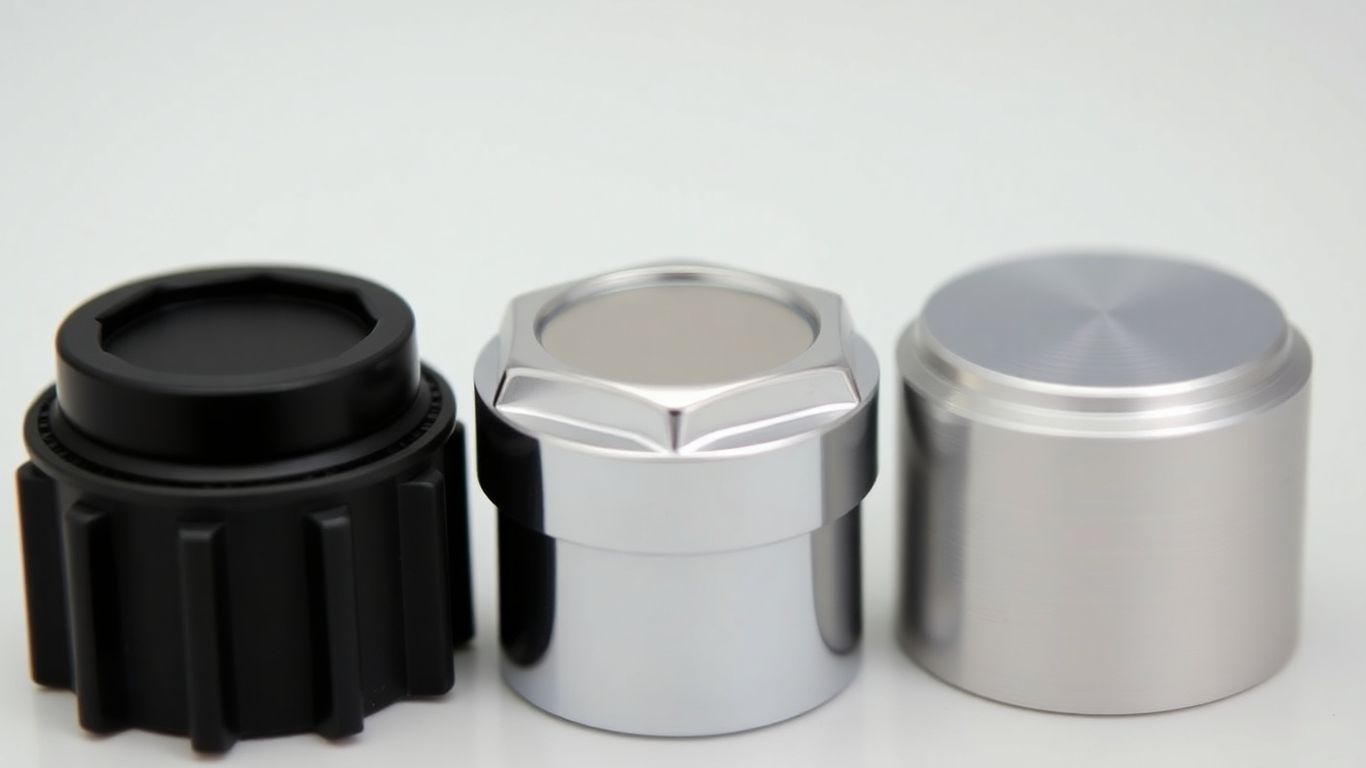
Alright, let's talk about those fancy metal valve stem caps. You see 'em on some cars, looking all sleek and important. They’re like the little black dress of the tire world – supposed to add a touch of class. But are they really all that? Sometimes, these shiny bits can be a bit of a pain, and not just because they cost more than a pack of gum.
The Allure of Aluminum (and Its Downfalls)
Look, nobody's going to argue that a nice set of aluminum caps doesn't look good. They can make your wheels pop, especially if they match your rims. It’s like putting a little crown on each tire. But here's the thing: aluminum, while pretty, can be a bit of a drama queen when it comes to corrosion. Especially if you live anywhere that uses salt on the roads in winter. That salty slush? It's like a party for dissimilar metals, and your valve stem threads might get invited to a very unpleasant, rusty dance.
When Metal Meets Winter's Wrath
This is where the shiny allure can turn into a real headache. Imagine this: it's freezing outside, you need to check your tire pressure, and those metal caps are fused to the valve stems like they're welded on. You try to twist them, and nothing. You try a little harder, and suddenly you're stripping the threads, or worse, you're wrestling with them so hard you might need a vise grip and a prayer. Some folks have ended up needing to replace the whole valve stem just because their fancy metal caps decided to become permanent residents. It’s enough to make you miss those simple plastic ones.
The Hot Topic of Hot Caps
Ever checked your tire pressure after a long drive or a track day? Tires get hot, and guess what else gets hot? Those metal valve stem caps. If you're planning on doing a quick pressure check when your tires are warm, be careful. You could end up with a burnt finger. It's not the end of the world, but it's definitely an annoyance that plastic caps just don't have. They're usually cool enough to handle, even when your tires are feeling the heat.
The Great Valve Stem Cap Debate: What's the Deal?
Alright, let's talk about the tiny titans of tire town: valve stem caps. You know, those little doodads you probably haven't thought about since you last pumped up your tires. Are they just cheap plastic trinkets, or is there more to this minuscule mystery? It turns out, these little guys actually do more than just look pretty (or not, depending on your taste). They're like the bouncers at the club for your tire's air supply, keeping the riff-raff out and the good times (i.e., proper pressure) rolling.
Why Bother With These Tiny Treasures?
Seriously, why should you care about a piece of plastic or metal smaller than your pinky nail? Well, imagine your tire valve stem is like a tiny faucet. Without a cap, it's just sitting there, exposed to the elements. Dust, dirt, rogue bits of gravel, maybe even a tiny, determined ant – they can all find their way in. This gunk can mess with the valve core, the little springy thing that actually holds the air in. If that gets clogged or damaged, you might start losing air. And nobody wants a flat tire, right? It's the ultimate party pooper.
Here's the lowdown on why these little caps are surprisingly important:
- Air Leak Prevention: They create a basic seal, stopping slow leaks that can happen if the valve core isn't perfectly seated. Think of it as a tiny insurance policy against gradual deflation.
- Debris Defense: They keep the valve stem opening clean. This is super important, especially if you ever need to add air. You don't want to be pushing dirt into your tire.
- Corrosion Control: Especially in places with salty roads in the winter, metal caps can sometimes fuse to the valve stem. Plastic ones are generally less prone to this sticky situation.
The Dirt on Valve Stem Protection
So, what exactly are these caps protecting? It's all about the valve stem and, more specifically, the valve core inside. This little guy is what you press to let air in or out. If it gets gummed up with dirt or road salt, it might not seal properly anymore. This can lead to a slow hiss of escaping air, or worse, a full-on flat. And let's be honest, changing a tire on the side of the road is rarely a fun experience. It usually involves questionable roadside smells and a general feeling of 'why me?'
Metal caps, especially aluminum ones, can sometimes get stuck on the valve stem, particularly if you live somewhere that uses road salt in the winter. This can turn a simple tire pressure check into a wrestling match with your car, potentially requiring tools and a lot of colorful language to remove. Plastic caps, while less fancy, often avoid this sticky predicament.
When Your Tire Place Gets It Wrong
Ever picked up your car from the shop and noticed one of your valve caps is missing, or maybe they replaced a fancy metal one with a plain old rubber one? It happens. Sometimes they just fall off, or maybe the technician grabbed the wrong thing. It's usually not a big deal, but it can be annoying if you're going for a specific look. The real issue isn't just aesthetics; it's about ensuring you have some form of protection on that valve stem. If they've lost one, politely ask for a replacement. If they put on a rubber one and you had metal, you might want to swap it back later, but don't sweat it too much unless it's causing a problem.
Choosing Your Valve Stem Cap Destiny

Alright, so you've survived the plastic vs. metal showdown and maybe even pondered the existential dread of "hot caps." Now, it's time to actually pick some tiny guardians for your tires. This isn't rocket science, but let's be honest, it's more exciting than watching paint dry, right? Think of it as accessorizing your ride, but with a practical purpose. You wouldn't wear mismatched socks to a job interview, so why subject your tires to the same fate?
Material Matters: Plastic vs. Metal Showdown
This is where the rubber meets the road, or rather, where plastic or metal meets the valve stem. Plastic caps are like the reliable, slightly boring friend. They do the job, they're cheap, and they won't cause a fuss. Metal caps, on the other hand, are the flashy ones. They look cool, but sometimes they can be a bit high-maintenance. We've heard tales of metal caps getting stuck, especially after a winter road salt spa treatment. Seriously, if you live where they salt the roads, maybe stick with plastic or a good quality aluminum that won't fuse itself to your valve stem. It's like dating – sometimes the flashy option comes with unexpected drama.
Style Points for Your Pavement Pounders
Who says valve stem caps have to be boring? You can get them in all sorts of colors, designs, and even with little logos. Want tiny skulls? Go for it. Prefer a subtle chrome finish? You do you. It's a small way to add a bit of personality to your car, truck, or whatever you're rolling on. Just try not to get too wild. We're not advocating for googly eyes on your valve stems... yet.
Grip It and Rip It: Easy Removal Tips
Ever tried to unscrew a valve stem cap and it felt like it was welded on? Yeah, us too. It's usually the metal ones that pull this stunt, especially if they've been on there for ages or encountered some serious weather. Here's the lowdown on making removal less of a wrestling match:
- The Gentle Twist: Always start with a gentle, steady twist. Don't go Hulk mode right away.
- The Wiggle Technique: If it's stuck, try wiggling it back and forth slightly. Sometimes a little movement is all it needs.
- The Pliers (Last Resort): If all else fails, you might need pliers. Wrap the cap in a cloth first to avoid scratching it (or the valve stem itself, if you're unlucky).
- Prevention is Key: Regularly check and remove your caps, especially before winter. A quick spray of lubricant can also work wonders.
Remember, the goal is to protect your valve stems, not to turn their maintenance into a full-blown DIY repair project. If your caps are constantly giving you grief, it might be time to reconsider the material or even the brand. A little bit of effort now can save you a lot of headaches (and potentially replacement valve stems) later.
Beyond the Basics: Valve Stem Cap Nuances
The OEM Directive: What the Manual Says
So, you've got your shiny new valve stem caps, ready to protect your tires from the harsh realities of the road. But wait, did you ever actually check what your car's manual has to say about these little guys? Most car manuals are pretty chill about valve stem caps, often just mentioning that they should be present and secure. They're usually not going to tell you which material is best, but they might hint that anything that could interfere with tire pressure monitoring systems (TPMS) is a no-go. Basically, if it screws on and doesn't fall off, the manual is probably fine with it, but it's always worth a peek. Think of it as the car's way of saying, "Just keep the dust out, okay?"
Sealing the Deal: The Importance of the Inner Ring
Ever unscrewed a valve stem cap and noticed a tiny rubber or plastic ring inside? That little doodad is actually doing a lot of heavy lifting. It's the real MVP when it comes to keeping air in your tires. Without that inner seal, even the fanciest metal cap is just a fancy metal cap. It's this ring that creates a secondary seal, helping to prevent slow leaks that you might not even notice until your tire pressure light decides to throw a party on your dashboard. So, when you're eyeing new caps, give that inner ring a nod of respect. It's the unsung hero of tire inflation.
When to Go Rubber (Or Not)
Let's talk about rubber valve stem caps. They're the OG, the classic choice. They're cheap, they're easy to find, and they generally do a decent job of keeping gunk out. However, they can get a bit brittle over time, especially if they're exposed to a lot of sun or extreme cold. You might find them cracking or getting stuck.
Here's a quick rundown:
- Pros of Rubber: Inexpensive, readily available, generally safe for TPMS.
- Cons of Rubber: Can degrade over time, may become brittle in extreme temperatures, less stylish than metal options.
- When to Consider Them: If you're on a tight budget, need a quick replacement, or just don't care about fancy caps.
On the flip side, if you're dealing with salty roads in the winter, you might want to steer clear of metal caps. I've heard stories (and seen the aftermath) of aluminum caps fusing to valve stems like they're in a toxic marriage, requiring a whole lot of effort and sometimes even replacement of the stem itself. It's a real pain, and frankly, not worth the hassle for a bit of bling.
Sometimes, the simplest solution is the best. While fancy caps might look cool, they can introduce problems you never even considered. Stick to what works, and don't overthink it.
So, What's the Verdict on Valve Stem Caps?
Alright, so we've talked plastic, metal, and aluminum. Honestly, after all this, it seems like the fancy metal ones might look cool, but they can also be a real pain. We've heard stories about them rusting stuck, especially if you live where they salt the roads in winter. That sounds like a nightmare waiting to happen, right? Plus, some people say they can mess up the threads on your valve stem, which is definitely not ideal. The plastic ones, while maybe not as flashy, seem to do the job without causing a whole lot of drama. They’re cheap, they keep the gunk out, and they don't seem to cause as many headaches. So, unless you're going for a specific look and are prepared for potential winter struggles, maybe stick with the humble plastic cap. Your future self, especially the one trying to get a stubborn cap off in the cold, will probably thank you.
Frequently Asked Questions
Why are valve stem caps important for my tires?
Valve stem caps are like tiny shields for your tires' air valves. They keep dirt, dust, and moisture out, which can stop air from leaking and keep the valve from getting rusty or damaged. This helps your tires stay inflated correctly, which is good for saving gas and making your tires last longer.
What's the difference between plastic and metal valve stem caps?
Plastic caps are usually cheaper and lighter. They're less likely to cause problems with the valve stem threads. Metal caps, like aluminum ones, can look cool and feel tough, but they can sometimes rust, especially if you live where roads get salted in the winter. This rust can make them really hard to take off later.
Can metal valve stem caps cause damage to my tires?
Sometimes, metal caps, especially if they rust or get stuck, can make it hard to remove them without damaging the valve stem's threads. Also, some people notice that metal caps can get really hot if the car has been driven a lot, which could be a minor burn risk if you check your tire pressure right away.
Are plastic valve stem caps always the best choice?
Plastic caps are often a safe bet because they don't rust and are less likely to strip the threads on the valve stem. Many car makers even recommend using them. They're simple, do the job well, and are usually the most budget-friendly option.
Should I worry about valve stem caps if my car has TPMS (Tire Pressure Monitoring System)?
Most standard valve stem caps work fine with TPMS. However, some high-end or specialized caps might interfere. It's always a good idea to check if the caps you choose are compatible with your TPMS system, though usually, the small plastic or metal caps are okay. The main thing is that the cap doesn't block the sensor.
How do I know if I need to replace my valve stem caps?
You should check your valve stem caps now and then. If one is missing, cracked, or looks really worn out, it's time for a new one. Also, if you notice a metal cap is rusted on and hard to remove, it might be a good idea to switch to plastic ones to avoid future trouble, especially if you live in a place with harsh winters.


Comments
Post a Comment