Why Kids Steal Tire Caps (And How to Stop It)
So, your car's tire caps have gone missing. It's a weirdly common problem, and honestly, it's annoying. You might think it's just kids messing around, and sometimes it is. But there are other reasons why those little bits of plastic or metal might disappear from your tires. Let's break down why this happens and what you can do to keep your tire caps right where they belong.
Key Takeaways
- Kids might take tire caps out of curiosity, boredom, or because their friends are doing it.
- Special locking tire caps can stop unauthorized removal, often coming with a unique tool.
- Some activists deflate tires as a form of protest, targeting certain vehicles.
- Be cautious with aftermarket tire caps, as some can cause brass valves to seize, creating a new problem.
- Reporting any tire cap incidents to the police helps them spot patterns, even if it seems minor.
The Great Tire Cap Caper: Why Little Rascals Go Rogue
So, you’ve noticed your car’s shiny little tire caps have gone missing. Poof! Vanished into thin air, or perhaps into a pocket. It’s a common annoyance, and while it might seem like a minor thing, it can be downright baffling. Why would anyone bother with those little plastic or metal bits? Well, buckle up, because we’re about to explore the peculiar world of tire cap pilfering.
Tiny Hands, Big Mischief: The Allure of the Removable Tire Cap
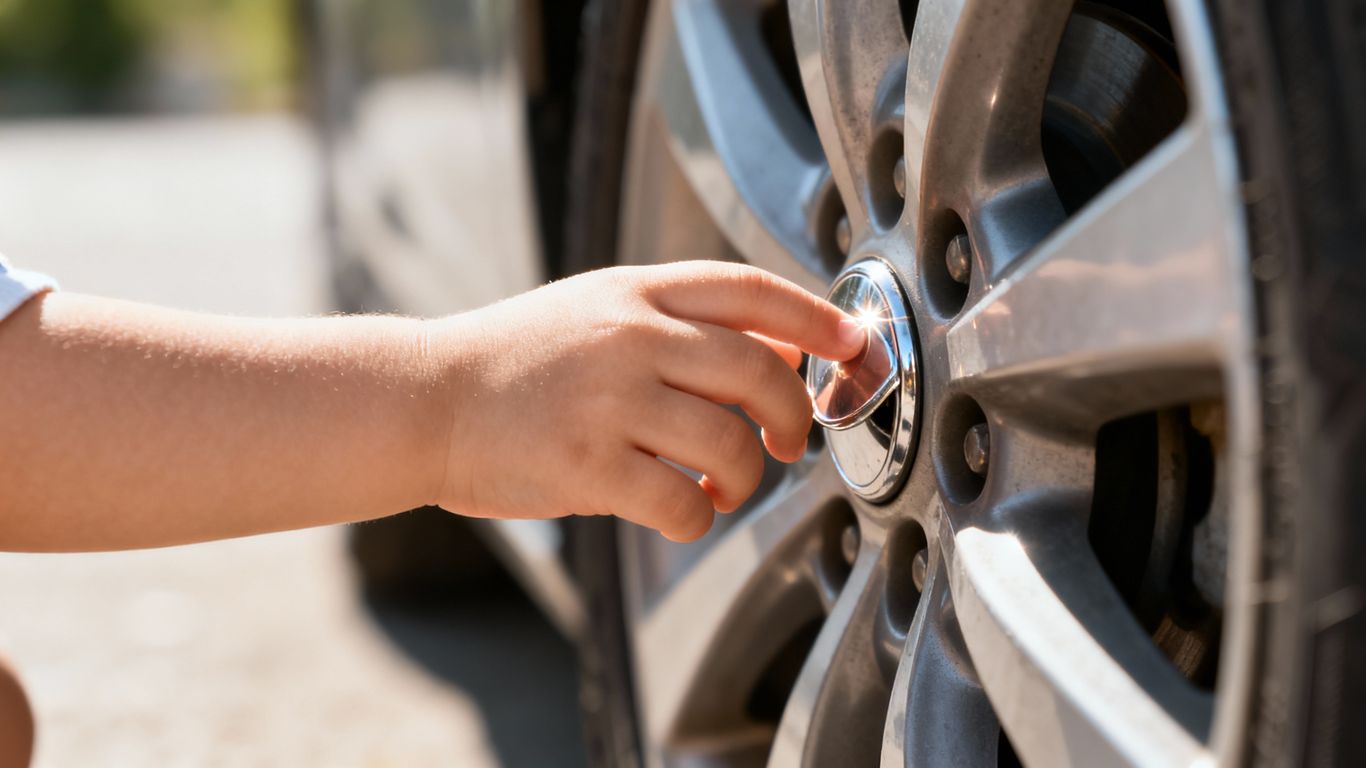
Let’s face it, tire caps are just… there. They’re small, they’re often colorful, and crucially, they’re usually pretty easy to pop off. For a kid, especially one with developing fine motor skills, that satisfying click as a cap comes loose can be incredibly rewarding. It’s like a tiny puzzle they’ve solved. The sheer accessibility makes them an irresistible target for curious fingers. Think about it: they’re at eye level for a toddler, and just begging to be twisted by a preschooler. It’s not about the monetary value; it’s about the tactile experience and the immediate gratification of removing something. Sometimes, these decorative caps can cause more trouble than they're worth, potentially leading to air leaks or even corrosion if they're made of metal. You can find some interesting custom tire valve caps online, but be aware of the risks.
Boredom Becomes Boldness: When Idle Hands Find Tire Caps
Ever heard the phrase “idle hands are the devil’s workshop”? It’s particularly true when those hands belong to a bored child. When there’s nothing else to do, no exciting games to play, and the world outside seems a bit too quiet, a car parked innocently on the street can become a playground. Those tire caps? They’re just sitting there, practically begging for attention. It’s a low-stakes way to create a little bit of excitement, a small act of rebellion against the mundane. A few missing caps might just be the spark that ignites a child’s imagination for a few minutes, turning a dull afternoon into a mini-adventure.
The Copycat Conundrum: Following the 'Cool' Kids
Peer pressure isn’t just for teenagers. Even younger kids are susceptible to the influence of their friends. If one child discovers the thrill of removing a tire cap, it’s only a matter of time before they show their buddies. Suddenly, it’s the “in” thing to do. The desire to fit in, to be part of the group, can be a powerful motivator. What started as one child’s innocent exploration can quickly turn into a neighborhood trend, with kids daring each other to see who can collect the most caps, or who can do it the fastest. It’s a classic case of following the leader, even if the leader is just a kid who found a loose cap.
The simple act of removing a tire cap can feel like a significant accomplishment to a young child. It's a tangible result of their effort, a small victory in a world where many things are still out of their control. This sense of agency, however fleeting, is a powerful draw.
Here’s a quick rundown of why those caps might disappear:
- Curiosity: What does it do? How does it come off? Kids are natural explorers.
- Playfulness: It’s a small, removable object. Perfect for fidgeting or a quick game.
- Social Influence: If one kid does it, others will want to join the fun.
- Boredom Buster: A simple way to pass the time when there’s nothing else to do.
It’s a cycle that can be hard to break, but understanding the root causes is the first step to finding a solution. And trust me, you’ll want to find a solution before your car looks like it’s been through a particularly aggressive game of whack-a-mole.
Operation: Secure Your Shiny Tire Caps
Alright, so your tire caps are going missing. It’s annoying, right? Whether it’s a prankster with too much time or someone with a more… activist agenda, you want those little shiny bits to stay put. Don't fret, because there are ways to fight back. We're talking about turning your car from a free-for-all tire cap buffet into a fortress.
The Anti-Theft Arsenal: Your New Best Friend
Think of this as your personal tire cap security detail. The market has caught on to the fact that people are tired of losing their valve caps, and they've come up with some clever solutions. These aren't just fancy plastic covers; they're designed to make removal a real pain for anyone without the proper tools. It’s like putting a tiny, invisible bouncer on each of your tires. You can find these online, and they usually don't cost an arm and a leg, often falling in the £10 to £15 range. Retailers have seen a jump in sales, so you're not alone in this.
Lock It Down: The Magic of Locking Tire Caps
These aren't your grandma's tire caps. The real heroes here are the locking valve caps. They often come with a special tool, like a tiny keyring, that's needed to unscrew them. Without this specific tool, trying to twist them off is like trying to open a pickle jar with oven mitts on – frustrating and usually futile. Some are even designed to spin freely if you try to force them without the key, making them almost impossible to remove. It’s a simple concept, but it works wonders against both bored kids and more determined deflators. Remember, these are designed to prevent people from deflating your tyres, which is a big plus [8a7f].
Keyring Commandos: The Tools That Keep Tire Caps Safe
So, you've got your new, fancy locking tire caps. What now? Well, the key is the tool that comes with them. Treat that little keyring like it's the key to your kingdom. Keep it somewhere safe, maybe in your glove compartment or even on your actual car keys if you're feeling bold. Losing the tool means you've just created a new problem for yourself when you eventually need to check your tire pressure. It’s a trade-off, for sure. Some people have reported issues with non-plastic caps seizing onto the valve stem due to metal reactions, so sticking with reputable brands and understanding the materials is wise. It’s a small step, but it’s a big step in keeping your tires properly inflated and your caps right where they belong.
While the idea of super-secure tire caps is appealing, it's worth noting that some aftermarket caps, especially those made of metal, can sometimes react with the brass valve stem. This can lead to them seizing up, making it difficult to remove them even when you want to check your tire pressure. Always consider the material and potential for it to cause a different kind of headache.
Here's a quick rundown of what to look for:
- Material Matters: Stick to high-quality plastics or reputable metal alloys. Avoid cheap, unbranded options.
- The Key is Key: Make sure the locking mechanism is robust and the accompanying tool is easy to store and won't get lost.
- Read Reviews: See what other drivers are saying about their experience with specific brands.
- Consider Your Climate: If you live somewhere with extreme weather, some materials might fare better than others.
Beyond the Prank: When Tire Caps Become Targets
Eco-Warriors Gone Wild: Deflating Tires for a Cause
So, you thought tire cap theft was just kids being little terrors? Think again. Sometimes, those little plastic bits become the target of folks with a bigger, greener agenda. We're talking about environmental activists, specifically groups like the "Tyre Extinguishers." These folks aren't after your hubcaps; they're after your SUV's tires. Their mission? To make driving big, gas-guzzling vehicles a real pain in the… well, you know. They believe these cars are bad for the planet, and their way of protesting is to let the air out of your tires. It’s a bit extreme, and honestly, it’s a hassle for everyone involved, especially when you just want to get to work.
The Rise of the Tire Extinguishers
These "eco-warriors" have been making headlines, and not in a good way for car owners. They target SUVs specifically, seeing them as symbols of pollution. They've been pretty active, claiming to have deflated thousands of tires globally. Their reasoning is that polite requests for climate action haven't worked, so they've moved on to direct action. It’s a bit of a dramatic approach, and it definitely makes you think twice about where you park your larger vehicle.
When Activism Gets Sticky (and Deflates Your Tires)
What does this mean for your average car owner? Well, it means your tire caps, or rather the valves they cover, are now potential targets for a cause you might not even agree with. It’s like your car is suddenly part of a political statement, whether you like it or not. This has led to a bit of a boom in sales for special anti-theft tire caps. People are looking for ways to protect their tires from these activists, and also, you know, from regular pranksters. It’s a strange world when you have to armor-plate your tire valves against people trying to save the planet.
Here's a quick rundown of what these activists are up to:
- Target: Primarily SUVs and other large, fuel-inefficient vehicles.
- Method: Deflating tires by removing the valve cap and letting the air out.
- Goal: To discourage the use of such vehicles and raise awareness about climate change.
- Impact: Inconvenience, potential damage, and a rise in security product sales.
It's a bit of a pickle, isn't it? You're just trying to get around, and suddenly your car is a billboard for a cause, and your tires are the main attraction. The whole situation highlights how different groups can have wildly different ideas about what's important, and sometimes, those ideas end up affecting your daily life in unexpected ways.
The Case of the Seized Tire Caps: A Cautionary Tale
So, you've heard about those fancy anti-theft tire caps, right? The ones that promise to foil both mischievous kids and eco-warriors alike. Sounds like a win-win, a simple fix for a pesky problem. But hold your horses, because sometimes, trying to solve one issue can accidentally create a whole new, and frankly, more annoying, headache. It’s like trying to swat a fly and accidentally knocking over your grandma’s prize-winning vase. Oops.
When Good Intentions Go Bad: The Seizing Saga
Here's the deal: many of these so-called security caps are made of materials that don't play nicely with the brass valve stems on your tires. Over time, especially if they aren't fiddled with regularly, they can actually fuse themselves to the valve. This means you can't remove the cap, and more importantly, you can't check or adjust your tire pressure. It’s a real pickle, turning a simple maintenance task into a wrestling match with your own car. You might end up needing a whole new valve stem, which is definitely not the money-saving move you were hoping for. It’s a bit like trying to secure your belongings with a padlock, only to find the padlock itself has rusted shut and you've lost the key.
Brass vs. Other Metals: A Chemical Comedy of Errors
It all comes down to basic chemistry, folks. Brass, the stuff most tire valves are made of, can react with other metals, especially when exposed to the elements. Think of it like leaving a fork in a bowl of soup for too long – things start to get a bit… funky. This reaction can cause the cap to seize up tighter than a drum. While the intention is to prevent tampering, the unintended consequence is making your own tire maintenance a nightmare. It’s a classic case of the cure being worse than the disease, and it’s something to seriously consider before you go slapping on any old metal cap you find online. Remember that time someone tried to get free gas using a faulty credit card scheme? It didn't end well for them, and getting your tire caps stuck can feel like a similar kind of frustrating predicament [7165].
The Dilemma of the Difficult Dust Cap
So, what's a car owner to do? On one hand, you want to protect your tires from vandals. On the other, you don't want to create a situation where you can't even access your own tire valve. It’s a tough spot. Some folks suggest sticking with the standard plastic caps, as they're less likely to cause these seizing issues. Others swear by specific brands that are known to work well. It really comes down to doing your homework and understanding the materials involved.
Here’s a quick rundown of what to watch out for:
- Material Matters: Stick to plastic or high-quality, compatible metals. Avoid cheap, unbranded metal caps.
- Regular Checks: If you do opt for metal caps, give them a quick twist every now and then to prevent seizing.
- The Right Tool: Some anti-theft caps come with special tools. Make sure you keep that tool handy!
Ultimately, the goal is to protect your tires without creating a new, equally frustrating problem. It’s a balancing act, and sometimes, the simplest solution is the best one. Don't let a little bit of metal turn into a big, greasy mess.
If you're worried about tire vandalism, reporting incidents to the police, even if they seem minor, can help them spot patterns. It’s better to be safe than sorry, and definitely better than having to wrestle with a seized tire cap.
Reporting Tire Cap Shenanigans: Don't Be a Silent Sufferer
Log It Like It's Hot: Why Police Want to Know
So, your shiny tire caps have gone missing, or worse, your tires are mysteriously flat. It's easy to just shrug it off, especially if it seems like a minor prank. But here's the thing: the police actually want to know. Even if no immediate crime seems to have been committed, reporting these little annoyances helps them build a bigger picture. Think of it like this: one missing tire cap might be a kid's prank, but a dozen missing caps in the same neighborhood? That starts to look like a pattern, and patterns are what law enforcement uses to track down troublemakers. So, don't be shy, file that report. You can often do it online for non-emergencies, making it a breeze. Filing a police report is easier than you think.
Pattern Recognition: Helping the Authorities See the Trend
When you report incidents, you're not just complaining; you're contributing to a larger effort. Law enforcement agencies collect data on all sorts of minor offenses. If they see a sudden uptick in tire cap theft or tire deflation in a specific area, it flags a potential problem. This information can lead to increased patrols or targeted investigations. It's like putting together a jigsaw puzzle, and your report is a vital piece. Without enough pieces, the picture remains incomplete, and the culprits can keep on their merry way.
From Minor Annoyance to Major Pattern
Let's break down why reporting matters, even for something as seemingly small as a missing tire cap:
- Data Collection: Every report adds to the statistical data police use to allocate resources.
- Trend Identification: Multiple reports in one area can signal a developing issue, not just isolated incidents.
- Deterrence: Knowing that incidents are being logged can deter repeat offenders.
- Community Safety: Addressing minor vandalism can prevent escalation to more serious crimes.
Sometimes, what seems like a harmless prank can be a sign of something more. Activist groups, like the Tyre Extinguishers, have been known to deflate tires as a form of protest. While their motives might be different from a bored teenager, the result is the same: deflated tires. Reporting these incidents, regardless of the perceived cause, helps authorities understand the scope of the problem and respond appropriately.
It's also worth noting that while anti-theft tire caps are available, they can sometimes cause their own set of problems, like seizing onto the valve. So, while you're reporting, you might also want to consider the best type of cap for your vehicle. For now, though, just remember that your report, no matter how small the incident seems, is important.
Parking Your Pride and Joy: Strategic Tire Cap Defense
So, you've managed to keep your tire caps safe from tiny, sticky fingers and the occasional eco-warrior. High five! But the battle isn't over. We need to talk about where you park your beloved vehicle, because sometimes, the best defense is a good location. Think of it as giving your tires a VIP lounge.
The Driveway Advantage: A Fortress for Your Tires
If you've got a driveway, consider it your personal tire cap sanctuary. It's like a moat, but with less water and more concrete. Parking here means your car is out of sight from the casual tire cap pilferer strolling down the street. It's a simple step, but it significantly reduces the opportunities for opportunistic theft or mischief. Plus, you don't have to worry about that awkward moment when you find a rogue hubcap rolling down the sidewalk.
Street Smarts for Tire Cap Security
Parking on the street? It's a bit like playing a game of tire cap roulette. If you must park curbside, try to find a spot that's well-lit and has a decent amount of foot traffic. Think of it as a deterrent. A busy street means more eyes, and more eyes mean fewer people feeling bold enough to mess with your shiny bits. Avoid dark, secluded areas where your car can become an easy target. It’s also a good idea to keep an eye out for any suspicious characters loitering around vehicles. You know, the ones who look like they're admiring your tires a little too much.
When the Road Less Traveled is Safer for Your Tire Caps
Sometimes, the best parking spot isn't the most convenient one. If you're in an area known for tire cap shenanigans, consider parking a block or two away. It might be a minor inconvenience, but it could save you the headache (and expense) of replacing those missing caps. Think of it as a mini-workout for your legs and a major win for your tire security. It’s all about making your car a less appealing target. You might even discover a great new coffee shop on your extended walk!
Parking strategically is more than just finding a spot; it's about choosing a location that minimizes risk. A well-lit area, a private driveway, or even a slightly further-away but safer street can make all the difference in keeping your tire caps right where they belong.
So, What's the Takeaway?
Look, nobody wants to deal with deflated tires, whether it's from a grumpy eco-activist or just some kids with too much time and not enough brain cells. We've talked about the fancy anti-theft caps, which might work, but hey, remember that whole "seizing onto the valve" thing? Yeah, that's a whole other headache. Maybe the best bet is just keeping an eye out, parking smart, and if all else fails, maybe a sternly worded note on the windshield? Or, you know, just accept that sometimes, life throws you a flat tire. Literally. Good luck out there, and try not to lose your valve caps!
Frequently Asked Questions
Why would someone take my tire caps?
Kids might swipe tire caps just for fun or because they're bored. Sometimes, they see other kids doing it and want to join in. It can seem like a silly prank to them. Other times, people might take them to let your tires down on purpose, like activists who don't like big cars, or just to cause trouble.
Are there special caps to stop theft?
Yes, there are! They're called anti-theft valve caps or locking tire caps. They often come with a special tool, like a keyring, that makes them really hard for someone without the tool to take off. This helps stop both pranksters and people trying to deflate your tires.
Can these special caps cause problems?
Sometimes, yes. If you use caps made of metal other than brass, they might get stuck to your tire's valve, especially if they aren't used often or lubricated. This can make it hard, or even impossible, to take the cap off or let air out of your tire when you need to. It's usually best to stick with regular plastic caps unless you have a good reason.
What should I do if my tire caps are stolen or my tires are let down?
Even if it seems like a small thing, it's a good idea to report it to the police. They can keep track of these incidents to see if there's a pattern of behavior in your area. This helps them figure out if there's a bigger problem going on.
Where is the safest place to park my car to protect my tire caps?
Parking your car in your driveway is usually the safest bet. It keeps your car away from the street where pranks or vandalism are more likely to happen. If you have to park on the street, try to choose a well-lit area where people can see your car.
What's the deal with 'Tyre Extinguishers'?
The Tyre Extinguishers are a group of activists who believe large vehicles, like SUVs, are bad for the environment. They go around and let the air out of these types of tires to make a point. They think it's a way to protest climate change and make cities safer.


Comments
Post a Comment