The Dark History of Stolen Valve Stem Caps
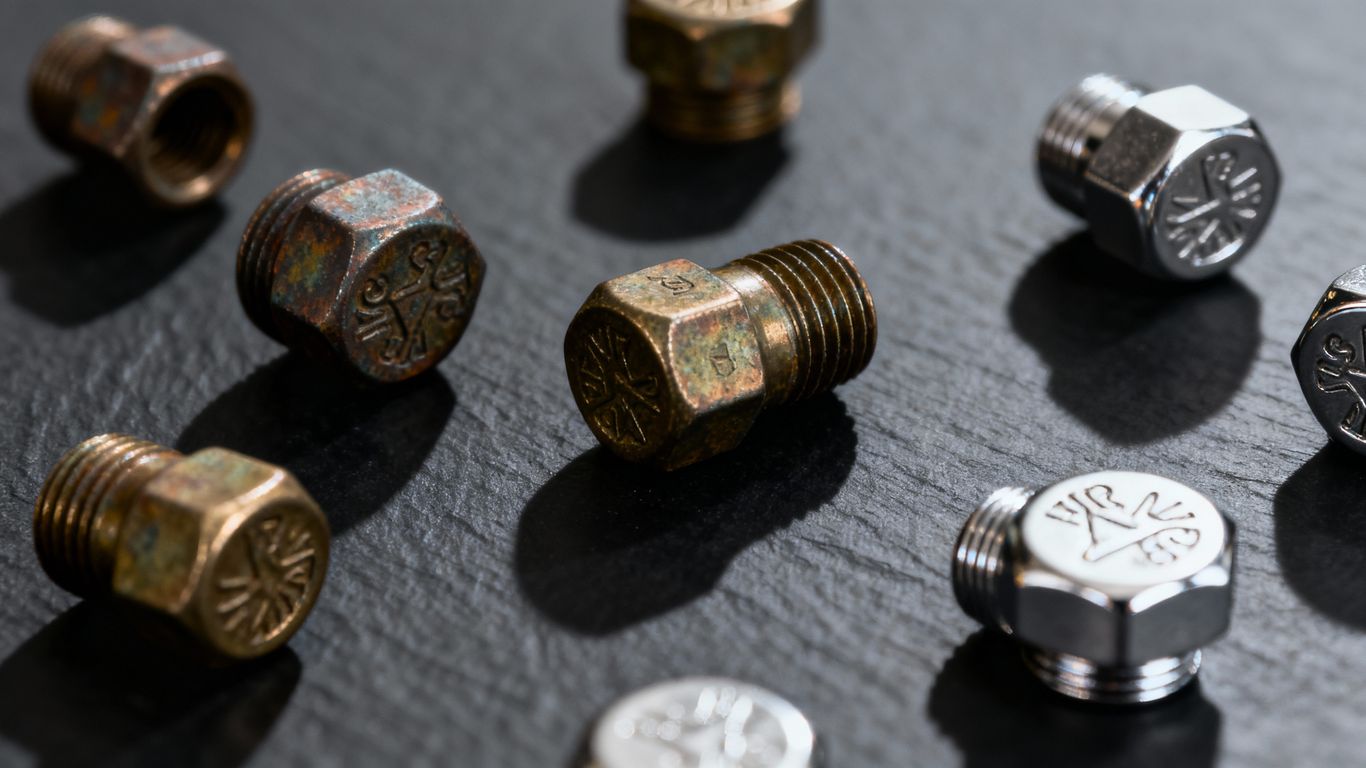
You know, it's funny how something as small as a valve stem cap can have a whole history. We don't think about them much, just little plastic or metal bits on our tires. But it turns out people have been messing with them, stealing them, and even getting into trouble over them for years. From shiny chrome ones back in the day to weird pranks today, valve stem caps have seen it all. Let's take a look at the weird, wild world of these tiny tire accessories.
Key Takeaways
- In the 90s, shiny chrome valve stem caps were a big deal, especially in the BMX scene, and people would even steal them.
- Some people find metal valve stem caps can cause problems, like getting stuck or even damaging TPMS sensors due to corrosion.
- There's a whole group of collectors who really care about specific valve stem caps, sometimes going to great lengths to find replacements for rare ones.
- Valve stem caps can be used for pranks, like swapping them for funny ones or even making them smelly.
- Some folks decide to ditch valve stem caps altogether, especially if they adjust tire pressure often, to avoid hassle.
The Glorious Reign Of Chrome Valve Stem Caps
A Flashy Past
Back in the day, before the internet was a thing and our biggest worry was whether our Walkman batteries would last, valve stem caps were kind of a big deal. We're talking about the chrome ones, people. These weren't just little plastic bits; they were tiny, shiny accessories that screamed 'I've got my life together, and my tires look good doing it.' Think of them as the bling of the automotive and cycling world before actual bling was even a concept. They added a certain je ne sais quoi to your ride, a little sparkle that said, 'Yeah, I noticed those, and they're pretty darn neat.' It was a simpler time, a time when a bit of polished metal could make all the difference.
The Allure Of The Shine
What was it about these chrome caps? It was the shine, obviously. That mirror-like finish reflected the world around it, making even a mundane trip to the gas station feel a little more glamorous. They were like tiny disco balls for your wheels. Plus, they were relatively cheap, making them an accessible upgrade for anyone wanting to add a touch of flair. You could find them in all sorts of shapes and sizes, from simple cylinders to more elaborate designs. They were the perfect way to personalize your vehicle or bike without breaking the bank. It was all about that gleam, that pop of metallic goodness against the rubber. It was a statement, a small but significant detail that showed you cared about the little things.
When Stealing Was Cool
Now, here's where things get a little murky. Because these shiny little treasures were so desirable, they also became prime targets for petty theft. It wasn't like grand larceny, more like opportunistic pilfering. You'd park your bike or car, and poof, one or two of your precious chrome caps would vanish. It was almost a rite of passage for young cyclists in the 80s and 90s. You'd get a new set, they'd look amazing for a week, and then BAM, one would be gone. You'd suspect your friends, your rivals, or just random passersby. It was a strange era where taking someone's valve stem caps was almost a badge of honor for the thief, and a frustrating lesson in vigilance for the victim. It was a weird, shiny, and slightly criminal chapter in automotive history.
The Great Valve Stem Cap Heist Of The 90s
Ah, the 1990s. A time of questionable fashion, even more questionable music, and a burgeoning underground economy centered around something you probably haven't thought about in years: valve stem caps. Specifically, the shiny, chrome ones. Back then, if you were rolling on two wheels, especially a BMX bike, having a set of 'chromies' was practically a status symbol. It was like the bling of the bicycle world.
Dice For Your Bike
These weren't just any caps; they were accessories. People would scour parking lots, gas stations, anywhere they thought a car or motorcycle might be parked, on the hunt for these little chrome treasures. It was a whole subculture. You'd see kids riding around with mismatched caps, a testament to their scavenging skills. Some even went as far as to use dice-shaped caps, adding an extra layer of 'cool' to their ride. It was a simpler time, where petty theft of small plastic or metal bits was seen as a bit of a lark, a rite of passage even.
The Chrome Chromies Caper
This whole cap-snatching phenomenon wasn't exactly subtle. It was a widespread, albeit low-stakes, crime wave. People would brag about their haul, showing off their collection of pilfered caps. It was the era when stealing valve stem caps was, dare we say, cool. Of course, not everyone was a fan. Imagine the frustration of a parent whose kid's bike suddenly lost its shiny adornments. Or worse, the embarrassment when the cops got involved.
Parental Disapproval
There are stories, whispered in hushed tones on internet forums decades later, of kids getting busted by their own parents for stealing caps. One tale recounts a dad calling the cops on his own son for swiping chrome valve stem caps. Ouch. Talk about tough love. It was a stark reminder that even seemingly harmless pranks could have consequences, especially when they involved taking things that didn't belong to you. The era of the chrome cap heist eventually faded, replaced by more mundane plastic caps and, thankfully, a general decline in the thrill of petty automotive larceny.
The Modern Mystery Of Missing Valve Stem Caps
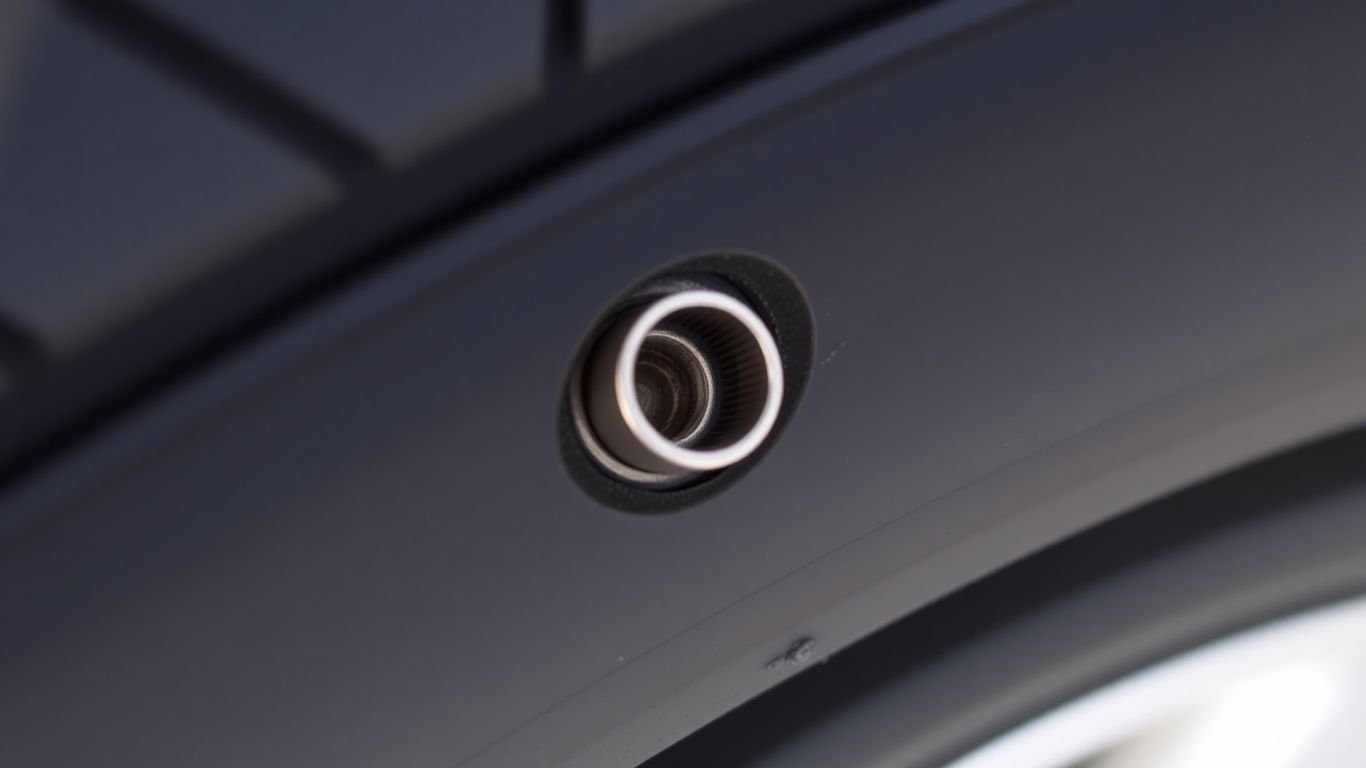
It seems like the days of chrome valve stem caps being snatched for bragging rights are long gone. Now, we're faced with a more perplexing, almost mundane, epidemic: the vanishing of plain plastic valve stem caps. Where do they go? Who is taking them? The theories are as varied as they are wild.
Plain Plastic Predicaments
Remember when valve stem caps were just… there? Little black or clear plastic nubs protecting your tire valve from the elements. Now, they seem to have a mind of their own, or perhaps, a secret society is collecting them. It's baffling. You check your tires, and poof! One or two are gone. It's like a tiny, automotive magic trick, but with no applause and a lot of mild annoyance. People report finding their caps missing after a trip to the grocery store, a quick stop at the gas station, or even just overnight in their own driveway. The sheer ordinariness of the missing item makes it all the more mysterious. It’s not like someone’s stealing your hubcaps anymore; it’s the humble valve stem cap that’s become the target.
The Nitrogen Conspiracy
One popular, albeit slightly unhinged, theory involves the widespread adoption of nitrogen tire inflation. You know, that fancy green-capped gas that supposedly makes your tires perform better? Some folks are convinced that the nitrogen-pushing shops are actually removing your original valve caps and replacing them with their own, or worse, just leaving the valve exposed. Why? Perhaps to encourage repeat visits for "maintenance," or maybe it's a secret plot to subtly mark vehicles for some unknown purpose. It’s a bit far-fetched, but when your plain plastic caps disappear, you start to wonder about the hidden agendas of tire shops. It’s enough to make you want to stick with good old air, or at least keep a stash of replacement caps handy.
Lawn Tractors And Their Appetites
Another theory, gaining traction in certain online forums, points to a surprising culprit: lawn tractors. Yes, you read that right. The idea is that people, perhaps teenagers or just mischievous individuals, are swiping valve stem caps from cars to put on their lawn tractors. Why? Who knows! Maybe they look cooler, maybe they're just bored. It’s a bizarre thought, but it does explain the random nature of the disappearances. It’s not about the value of the cap, but the sheer act of taking something that doesn’t belong to you. It’s a low-stakes rebellion, a tiny act of defiance against the mundane. The thought of a fleet of lawn tractors sporting pilfered automotive valve stem caps is, frankly, hilarious.
Here’s a quick rundown of the prime suspects:
- The Bored Teenager: Classic. Needs no explanation.
- The Nitrogen Conspiracy Theorist: Believes shops are involved.
- The Lawn Tractor Enthusiast: Seeking aesthetic upgrades for their garden machinery.
- The Wind: Unlikely, but who are we to rule out atmospheric mischief?
- The Tire Valve Itself: Maybe they just… fall off? (We’re not buying it.)
The modern mystery of the missing valve stem cap isn't about grand theft; it's about the quiet erosion of small, everyday things. It’s a subtle reminder that even the most insignificant items can become targets for petty theft or inexplicable loss, leaving us scratching our heads and reaching for a spare.
The Perils Of Fancy Valve Stem Caps
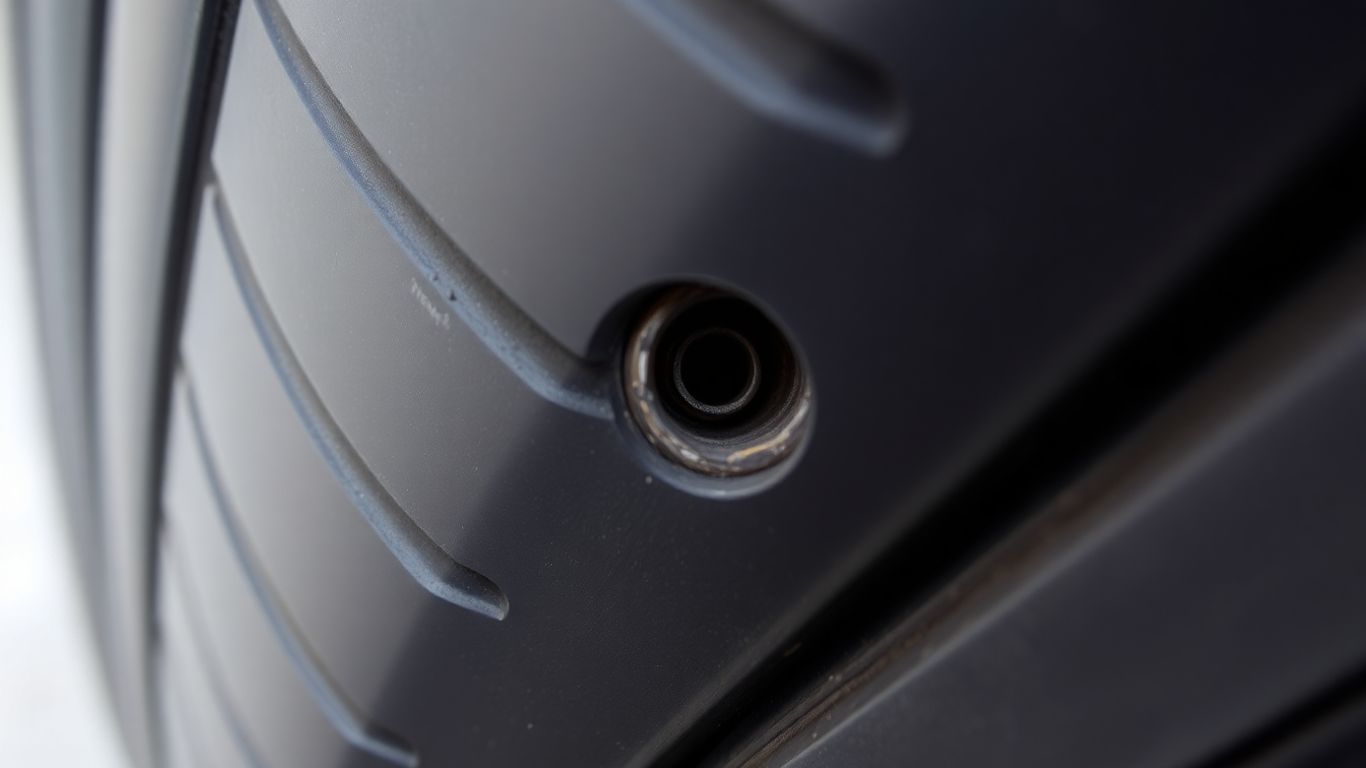
So, you've decided to jazz up your ride with some fancy valve stem caps. Maybe they're shiny chrome, maybe they're little dice, or perhaps they're even shaped like tiny skulls. Whatever the aesthetic, these little adornments can bring a whole host of unexpected problems. It turns out that looking good can sometimes come with a bit of a headache, or in this case, a stuck valve stem.
Galling Metal Mayhem
Let's talk about those sleek metal caps. They look great, right? Until you need to check your tire pressure. Many folks have discovered that metal caps, especially aluminum or chrome ones, can actually galling onto the valve stem. This isn't some fancy new dance move; it's a type of wear where surfaces essentially weld themselves together. Trying to unscrew them can be a real struggle, sometimes requiring a pair of pliers and a lot of colorful language. One user reported having to use anti-seize just to get them off, only to eventually ditch them altogether because it was too much hassle. It's a classic case of form over function, and your tires might pay the price.
The TPMS Threat
Modern cars often come equipped with Tire Pressure Monitoring Systems (TPMS). These systems rely on sensors inside your tires, and guess what? Those sensors have little valve stems too. Some of the more elaborate or cheaply made fancy caps can actually interfere with these sensors. They might be too heavy, too long, or just not fit right, potentially damaging the sensor or even causing it to malfunction. You could end up with a dashboard light glaring at you, not because of a flat, but because your cool skull cap decided to wage war on your car's electronics. It's a good idea to stick with basic caps, or at least ensure any fancy ones are specifically designed to be TPMS-safe. After all, a warning light is rarely a good look.
Galvanic Corrosion's Grasp
This one's a bit more technical, but it's a real concern. When you mix certain metals, especially in the presence of moisture, you can get something called galvanic corrosion. Think of it like a tiny, unwanted battery forming between your valve stem and the cap. If you have, say, a brass valve stem and a cheap aluminum cap, you're setting yourself up for trouble. The less noble metal (usually the cap) will corrode away, potentially seizing onto the stem. This can make removal a nightmare and, in severe cases, damage the valve stem itself. It's a slow burn, but over time, your flashy accessory can turn into a sticky, corroded mess. For optimal tire health, it's best to use caps made of compatible materials or stick to the standard plastic ones that came with your vehicle. They might not be exciting, but they get the job done without drama. Protecting your tires is important, and valve stem caps play a role in that tire pressure maintenance.
Here's a quick rundown of what to watch out for:
- Material Mismatch: Avoid mixing vastly different metals (e.g., aluminum caps on brass stems).
- Weight and Size: Overly large or heavy caps can stress the valve stem and TPMS sensors.
- Thread Quality: Cheaply made caps might have rough threads that can damage the valve stem.
- Environmental Factors: Salt, moisture, and road grime can accelerate corrosion, especially with metal caps.
The OCD Collector's Quest For Valve Stem Caps
The Pacific Pacific Problem
Some folks just can't leave well enough alone, can they? For the truly dedicated, the valve stem cap isn't just a piece of plastic or metal; it's a collectible. Take the case of the "Pacific" valve stem caps. These aren't just any caps; they're the original equipment manufacturer (OEM) ones that came on a specific car model. They're flat on top, emblazoned with the word "PACIFIC," and apparently, they're the holy grail for a certain subset of car enthusiasts. The problem? They're incredibly hard to find replacements for. The original owner, clearly a member of the "better safe than sorry" club, snatched them off the car the moment they got it, fearing they'd be swiped by opportunistic lawn tractor owners or, you know, general ne'er-do-wells. The quest for an "endless supply" to replace any potential future losses is a noble, if slightly baffling, pursuit.
An Endless Supply Strategy
So, how does one ensure an "endless supply" of these elusive "PACIFIC" caps? It’s a strategy born of pure, unadulterated anxiety and a deep love for OEM parts. The idea is simple: acquire more than you need. If you have ten sets, losing one or two to the ether of the parking lot doesn't feel like a catastrophe. It’s like having a secret stash of your favorite snack – you just feel better knowing it’s there. This approach requires dedication, a keen eye for online auctions, and possibly a small, dedicated storage unit.
Here's a typical collector's thought process:
- Identify the target: "PACIFIC" OEM valve stem caps.
- Assess scarcity: Realize they are rarer than a politician's promise.
- Formulate a plan: Buy every single set found, no matter the cost.
- Implement the plan: Scour eBay, forums, and junkyards with the fervor of a treasure hunter.
- Achieve peace of mind: Hoard the caps, rotate them onto the car, and sleep soundly.
The Aftermarket Abyss
The aftermarket is a wild west for valve stem caps. You can find anything from glitter-infused novelty caps to sleek, anodized aluminum ones. But for the specific, the obscure, the "PACIFIC" caps? It's a wasteland. Most aftermarket options are generic, mass-produced, and lack the specific charm that drives the OCD collector. Some brave souls have tried using metal caps, only to find them galled onto the valve stems, requiring Herculean effort to remove. Others have given up entirely, deciding that the freedom of an open valve is preferable to the stress of protecting a tiny piece of plastic. It's a tough world out there for the collector who demands perfection.
The pursuit of the perfect valve stem cap can become an obsession. It's not just about protecting the valve; it's about completing the aesthetic, maintaining the original integrity, or simply satisfying an internal need for order. For some, it's a hobby. For others, it's a way of life.
The Prankster's Playbook Of Valve Stem Caps
Pencil Cap Pandemonium
Remember the 90s? When chrome valve stem caps were the height of cool? Well, some folks decided that stealing them was even cooler. But the real pranksters, the ones who truly understood the subtle art of vehicular mischief, went a different route. They discovered the humble pencil cap. Imagine rolling up to your buddy's car, a pack of Bic pencils in hand, and a glint in your eye. A few quick twists, and suddenly, their shiny metal caps are replaced with bright yellow pencil caps. It’s not about theft; it’s about confusion. The sheer absurdity of it is what makes it a classic. It’s the ultimate low-stakes, high-confusion prank.
A Stinky Surprise
For those with a more… olfactory sense of humor, the valve stem cap prank takes a pungent turn. This one requires a bit more planning and a willingness to get your hands dirty, metaphorically speaking. The idea is simple: remove the existing valve stem caps and replace them with something… less pleasant. Think old chewing gum, a dab of something sticky and questionable, or even, in the most extreme cases, a tiny bit of something that smells like it belongs in a dumpster. The goal isn't permanent damage, just a moment of bewildered disgust when the victim goes to check their tire pressure. It’s a prank that lingers, much like the smell.
The Satisfaction Of Swapping
This is where things get really interesting, and frankly, a little bit obsessive. It’s not just about taking; it’s about the swap. You see a car with plain, boring plastic caps? You might have a set of novelty skull caps in your pocket. A quick switcheroo, and suddenly, their sensible sedan has a touch of macabre flair. Or perhaps you’re feeling particularly mischievous and swap a set of fancy, expensive caps for plain black ones. It’s a silent commentary, a subtle alteration of the mundane. Some people even take this to the extreme, collecting unique caps and strategically placing them on unsuspecting vehicles. It’s a game of automotive hide-and-seek, a testament to the fact that even the smallest parts can be a canvas for creativity, or at least, a bit of lighthearted chaos. It’s a bit like the greatest art heist ever, but with much lower stakes and significantly less valuable loot.
Here's a quick rundown of prankster preferences:
- The Classic Swap: Replacing existing caps with something different, often novelty items.
- The Scented Sabotage: Introducing unpleasant odors via the valve stem.
- The Thematic Replacement: Swapping caps to match a specific theme (e.g., all skulls, all sports logos).
The true prankster doesn't seek to damage or permanently alter. They aim for a moment of surprise, a chuckle, or a brief, bewildered frown. It's about the unexpected twist in an otherwise ordinary day.
The Philosophical Stance On Valve Stem Caps
To Cap Or Not To Cap
So, we've talked about the history, the heists, and the weird obsessions. But what's the real deal with valve stem caps? Are they just tiny plastic guardians, or something more profound? Some folks, like those who appreciate the ease of quick valve adjustments, just toss 'em. They figure, "Why bother?" Tire pressure is checked often enough, and honestly, who has the time to screw on and off these little doodads? It’s a bold statement, really. It says, "I’m too busy living to worry about a bit of dust in my valve stem." It’s a philosophy of freedom, a rebellion against the mundane.
The Freedom Of The Open Valve
This minimalist approach, leaving valves bare and exposed, is surprisingly common. It’s like saying, "Bring it on, dirt! I’m ready." For the track day enthusiast or the daily commuter who’s always topping off their tires, caps can feel like an unnecessary step. It’s a commitment to accessibility. Think about it: no fumbling for caps when you’re in a hurry. Just a quick check, a puff of air, and you’re off. It’s efficient. It’s practical. It’s… well, it’s just not having caps on.
Embracing The Void
Then there are the collectors, the OCD sufferers, the ones who need those specific, hard-to-find OEM caps. They see the void where a cap should be and feel a deep, existential unease. For them, a missing cap isn't just a missing piece of plastic; it's a disruption of order. It’s a sign that the universe is slightly out of whack. They might even hoard spares, just in case. It’s a quest for completeness, a desire to fill that tiny, empty space with something just right. It’s a whole different ballgame, really, this whole valve stem cap thing.
So, What's the Deal with Valve Stem Caps?
Well, after all this talk about tiny bits of plastic and metal, it's pretty clear that valve stem caps have a surprisingly dramatic past. From shiny chrome collectibles that kids swiped back in the day to the plain ones people barely notice now, it seems these little things have seen some action. Some folks toss 'em, some worry about them corroding fancy sensors, and others just miss the days when a stolen cap was a minor badge of honor. Honestly, it's kind of funny how much fuss can be made over something so small. Maybe the real lesson here is that even the most ordinary objects can have a story, and sometimes, that story is just plain weird. Now, if you'll excuse me, I need to go check if mine are still on my tires. Just in case.
Frequently Asked Questions
Why did people steal chrome valve stem caps back in the day?
Back in the 90s, shiny chrome valve stem caps, often called 'chromies,' were a big deal, especially for bikes. They made a ride look cooler. Stealing them was seen as a bit of a rebellious act, almost like a dare or a way to show off, though it definitely caused trouble for people like parents who had to deal with the consequences.
Are plain plastic valve stem caps ever stolen?
While the flashy chrome ones were the main target in the past, even plain plastic caps can go missing. Some people think kids might take them as a prank, or maybe someone needs a replacement and just grabs one they find. It's surprising what people take, sometimes even for things like lawn tractors.
What's the deal with metal valve stem caps and TPMS?
Metal valve stem caps can cause problems, especially with modern cars that have Tire Pressure Monitoring Systems (TPMS). They can actually corrode or 'gall' onto the valve stem, making them super hard to remove. Worse, some metal caps can react with the metal of the TPMS sensor, causing damage that's expensive to fix.
What are 'nitrogen caps' and why do people dislike them?
Sometimes, when you get your tires filled with nitrogen at a shop, they'll put on special green valve stem caps. People sometimes dislike these because they feel like a symbol of a service they might not have wanted or needed, and they're a different color than the standard caps, which can bother people who like things to match.
Why would someone choose not to use valve stem caps at all?
Some folks, especially racers or people who check their tire pressure very often, decide to just toss their valve stem caps. They figure it saves them a step when they need to adjust the air. Plus, it means they don't have to worry about them getting stolen or lost.
What's the deal with prank valve stem caps like pencil caps?
People sometimes use novelty valve stem caps as a prank. Pencil-shaped caps are a common example. The idea is to surprise someone when they notice their valve stems look like pencils. It's a harmless joke, but some people might find it annoying if they're not expecting it.


Comments
Post a Comment