The Science Behind Air-Tight Tire Valve Caps
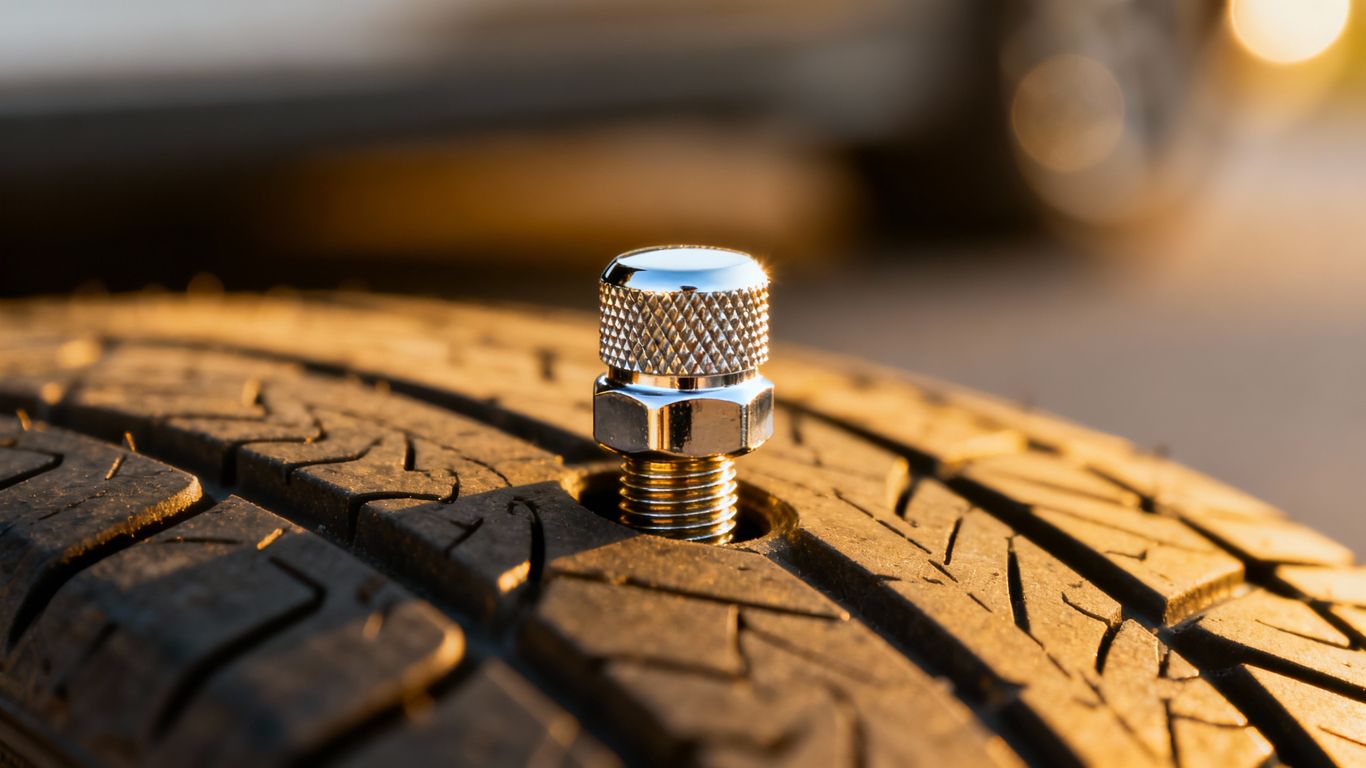
You know, those little things on your tires, the tire valve caps, they seem so simple, right? Just little plastic or metal bits. But there's actually some neat science behind why they matter so much for keeping your tires properly inflated. We're going to look at how they work, why some are tougher than others, and even why the air inside your tires might be trying to escape. It turns out, these small parts are pretty important for a safe and smooth ride. Let's check out the science behind them.
Key Takeaways
- The O-ring in tire valve caps is key to making a good seal and stopping air from leaking out.
- Tire valve caps are the first defense against dirt and stuff getting into your tire's valve.
- Tougher, heavy-duty tire valve caps can handle rough weather and protect your valve stems better.
- Nitrogen stays in tires better than regular air because it has less moisture and its molecules are bigger.
- Things like moisture and rust can cause tires to lose air even if there's no obvious hole, making good valve caps even more important.
The Mighty O-Ring: Tiny But Terrific Tire Valve Caps
Understanding The Rubber Seal Of Approval
So, you've got these little caps on your tires, right? They seem pretty basic, maybe even a bit pointless. But hidden within that humble exterior is a tiny hero: the O-ring. This little rubbery doodad is the real deal when it comes to keeping your tires properly inflated. Think of it as the bouncer at the club for your tire's air – it’s not letting just anything in or out. When you screw on a valve cap with an O-ring, it squishes down just enough to create a seal. This seal is super important because it stops air from sneaking out when it shouldn't be. Without it, your tire pressure can start to drop faster than your motivation on a Monday morning.
Why That Little Ring Is A Big Deal
This isn't just about preventing that annoying slow leak that makes you visit the gas station more often than you'd like. A good O-ring seal means your tires stay at the pressure they're supposed to be. This affects everything from how smoothly your car drives to how much gas you burn. Plus, it helps your tires last longer, which is always a win. It’s the unsung hero of tire maintenance, working tirelessly (pun intended) to keep things rolling smoothly. It’s amazing how much work such a small piece of rubber does. It’s like the quiet intern who actually gets all the important work done.
O-Rings: Built To Last (Unlike Your Patience On A Long Road Trip)
You might be thinking, "Can a tiny rubber ring really hold up?" The answer is a solid yes. These O-rings are usually made from tough rubber compounds designed to handle the daily grind. They deal with temperature changes, road gunk, and the constant pressure of keeping air in. While they might not last forever (nothing does, really), they're built to be pretty darn durable. They can withstand the compression and friction that comes with driving, and they don't easily break down when exposed to the elements. So, next time you check your tires, give a little nod to the O-ring. It’s doing a tough job, and doing it well, so you don't have to worry about air getting tired and leaving your tires.
Here’s a quick rundown of why they’re so tough:
- Material Science: They're made from specific rubber blends that resist degradation from UV rays and ozone.
- Compression Set Resistance: This means they bounce back after being squeezed, maintaining their seal over time.
- Chemical Inertness: They don't react badly with road salts, oils, or other common tire-area nasties.
It’s easy to forget about these small parts, but they are engineered to perform under pressure, literally. They are a testament to how small design elements can have a significant impact on everyday performance and reliability.
Don't Let Your Tires Go Flat: The Crucial Role Of Tire Valve Caps
Okay, let's talk about those little plastic or metal doodads on your tires. You know, the ones you probably haven't thought about since you bought your car, or maybe ever. They seem so insignificant, right? Like the tiny plastic thingy on the end of a shoelace. But these humble valve caps are actually doing a pretty important job, kind of like a bouncer for your tire's air. Without them, your tires are basically an open invitation for all sorts of unwanted guests.
Your Tire's First Line Of Defense Against Air-Busting Invaders
Think of your tire valve stem as a tiny, high-pressure doorway. Air is constantly trying to get out, and frankly, it's pretty determined. The valve itself has a little pin inside that keeps the air contained, but it's not exactly Fort Knox. That's where the valve cap comes in. It's the first thing that stops the bad stuff from getting in and the good stuff (air!) from getting out. We're talking about dust, dirt, little bits of gravel, and even moisture. These things can sneak into the valve and gum up the works, making it harder for the valve to seal properly. It's the unsung hero preventing a slow, embarrassing leak.
The Humble Hero Of Tire Pressure
So, why is keeping that air in so important? Well, for starters, underinflated tires are a drag. They make your car feel sluggish, guzzle more gas than they should (ouch, wallet!), and wear out faster. Nobody wants that. The valve cap, especially one with a little rubber O-ring inside, creates a secondary seal. It's like putting a lid on a jar – it just makes sure everything stays put. This little bit of extra security means your tire pressure stays more consistent between checks, which is good for your car, your wallet, and your peace of mind.
Here's a quick rundown of what happens when you skip the caps:
- Dust and Grime Party: Tiny particles get into the valve, acting like sandpaper on the delicate sealing surfaces.
- Moisture Mayhem: Water can get in, leading to corrosion and making the valve sticky.
- Slow Leak Syndrome: The valve might not seal as tightly anymore, leading to a gradual loss of air.
- The Dreaded Flat: Eventually, all these little issues can add up to a tire that's flatter than a pancake.
Keeping The Air In, The Grime Out
It’s really not complicated. The valve cap screws onto the valve stem, and if it's got a good seal (often thanks to that little rubber ring we mentioned), it keeps the air inside. It also acts as a barrier, stopping all the road gunk from getting into the valve mechanism. This is especially important if you drive on dirt roads or in areas with a lot of debris. Without a cap, that valve stem is basically an open invitation for trouble. It’s a simple fix, but it makes a surprisingly big difference in keeping your tires properly inflated and your ride smooth.
The valve cap might seem like a trivial piece of plastic, but its role in maintaining tire integrity is surprisingly significant. It's a small component that performs a big job, protecting the delicate valve mechanism from the elements and preventing the slow escape of precious air.
Heavy-Duty Tire Valve Caps: Tougher Than Your Monday Morning
Let's be honest, most of us don't give tire valve caps a second thought. They're just these little plastic or metal doodads that came with the car, right? Well, sometimes those little doodads can be surprisingly flimsy. Think about it: they're out there 24/7, taking a beating from the elements, road grime, and whatever else the asphalt throws at them. Standard caps can get brittle, crack, or just plain give up the ghost, leaving your tire valves exposed to all sorts of nastiness.
That's where the heavy-duty heroes come in. These aren't your grandma's valve caps. They're built with tougher stuff, designed to laugh in the face of harsh weather and keep on protecting your tires. We're talking about caps that can handle a bit of everything, from scorching summer heat to the icy grip of winter.
Built To Withstand the Apocalypse (Or Just a Pothole)
These heavy-duty caps are made from materials that can take a hit. Forget those cheap plastic ones that shatter if you look at them funny. We're talking about robust construction that can shrug off minor impacts. They’re designed to be a shield for your valve stems, keeping out the grit and grime that can cause all sorts of headaches. It’s like giving your tires tiny, but very determined, bodyguards.
Weatherproof Warriors for Your Wheels
Rain, snow, sleet, or that weird, dusty stuff that blows around in the summer – these caps are ready. They're made to resist corrosion, which is a big deal, especially if you live anywhere that uses road salt. Nobody wants to deal with a valve cap that's fused itself to the stem like a barnacle. These heavy-duty options are built to stay functional, no matter what the sky decides to do. They help maintain the integrity of the valve stem and prevent moisture from creeping in, which can lead to bigger problems down the line.
Protecting Your Valve Stems From the Elements (And Your Own Neglect)
Let's face it, sometimes we forget the little things. Valve stems are pretty important for keeping air in your tires, but they can get clogged with dirt or damaged if they're left unprotected. Heavy-duty caps offer that extra layer of defense. They're a simple upgrade that can save you from potential air leaks and the hassle of dealing with a flat tire. It’s a small investment for peace of mind on the road.
The Science Of Air vs. Nitrogen: A Leak-Proof Love Story
Why Air Gets Tired And Wants To Leave
So, you've been pumping up your tires with good ol' compressed air your whole life. Makes sense, right? It's readily available and cheap. But here's the thing: regular air is a bit of a messy roommate. It's packed with moisture, like a humid summer day crammed into your tire. When you drive, that air heats up, and the moisture inside can turn into water vapor. Then, when things cool down, it condenses. This constant expansion and contraction can mess with your tire pressure, leading to those slow, sneaky leaks. Plus, the oxygen molecules in the air are smaller than nitrogen. Think of them like tiny little escape artists, able to wiggle their way through the rubber of your tire over time. It's called permeation, and it's why your tire pressure seems to drop even when there's no obvious puncture.
Nitrogen: The Chill, Less-Moist Cousin
Now, let's talk about nitrogen. It's basically dry air, meaning it's got way less moisture hanging around. When you fill your tires with nitrogen, you're skipping that whole condensation party happening inside. This means less chance of corrosion eating away at your wheel rims and valve stems. And remember those tiny oxygen molecules? Nitrogen molecules are bigger. They're like the bouncers at a club, less likely to sneak through the tire's rubber walls. This means your tire pressure stays more stable for longer. It's the difference between a tire that's constantly sighing and letting air out, and one that's just chilling.
Should You Break Up With Air For Nitrogen?
Okay, so nitrogen sounds pretty sweet, right? It can mean fewer trips to the gas station to top up your tires and potentially longer tire life because the pressure stays more consistent. It's especially good if you're someone who really hates dealing with tire pressure.
Here's a quick rundown:
- Air: Cheaper, easier to find, but has more moisture and smaller molecules that can leak faster.
- Nitrogen: More expensive to fill initially, but offers more stable pressure, less moisture, and slower leaks.
While nitrogen isn't magic and won't prevent a nail from causing a flat, it does make your tires more resistant to the everyday battle of losing air. It's a bit like choosing a sturdy, well-sealed container over one with a slightly loose lid for storing your precious snacks.
So, should you switch? If you're a daily driver who values consistent tire pressure and wants to minimize those annoying slow leaks, it might be worth looking into. For many, the peace of mind and reduced maintenance is a good trade-off. Just remember, you can't mix air and nitrogen long-term; if you get nitrogen, stick with it. And if you do get a flat from a puncture, you'll still need to get it fixed, nitrogen or not.
Carbon Fiber Valve Caps: When Performance Meets Pretty
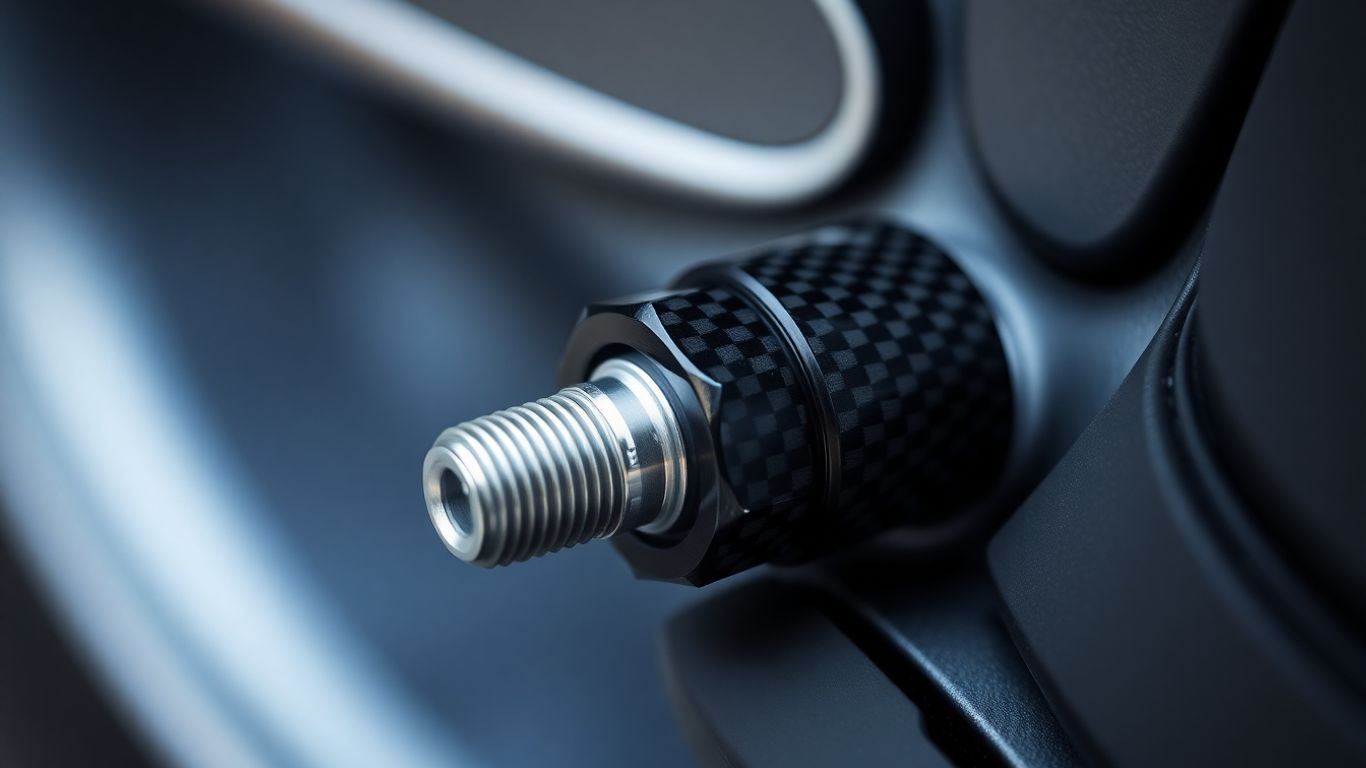
Okay, so we've talked about rubber O-rings and tough plastic caps, but what about when you want your car to look as good as it performs? Enter the carbon fiber valve cap. These little guys are like the fancy sports car of the valve cap world. They’re not just about keeping air in; they’re about making a statement. They’re where the science of strong, light materials meets the art of making your wheels look seriously cool.
Stronger Than Your Uncle's Jokes, Lighter Than A Feather
You know how carbon fiber is used in race cars and fancy planes? That’s because it’s incredibly strong but also super light. While a valve cap isn't exactly taking G-forces, this material means they’re built to last. They won't easily crack if you bump a curb, and they add virtually no weight – which, let's be honest, is probably less than the crumbs in your cupholder. It’s that same material science that makes them a top choice for performance car parts.
Say Goodbye To Grumpy, Corroded Caps
Remember those old metal valve caps that get all crusty and fused to your valve stem? Yeah, nobody likes those. Carbon fiber doesn't rust or corrode. That means you can actually take them off when you need to check your tire pressure, which is kind of the whole point. Plus, they usually come with a nice little rubber seal inside, so they’re not just pretty; they’re functional too.
Here’s a quick rundown:
- Plastic Caps: Cheap, but can get brittle.
- Metal Caps: Look okay, but prone to corrosion.
- Carbon Fiber Caps: Lightweight, super strong, and corrosion-proof. Fancy!
Heat And Sun Won't Make These Guys Crack Under Pressure
Your tires get hot, especially after a long drive or a spirited run. And let's not forget the relentless sun beating down. Cheap plastic caps can get faded and brittle, eventually cracking. Carbon fiber, though? It handles heat and UV rays like a champ. They’re designed to keep their good looks and their structural integrity, no matter what the weather throws at them. It’s like they’ve got their own built-in sunscreen and a personal air conditioner.
The appeal of carbon fiber valve caps goes beyond just keeping air in. It’s about appreciating the blend of advanced materials and meticulous craftsmanship. They represent a commitment to detail, a nod to performance engineering, and a desire for a vehicle that looks as sharp as it drives. For many, they’re a small but significant upgrade that reflects a deeper passion for their car.
So, if you’re looking to add a touch of high-tech style and durable function to your ride, carbon fiber valve caps are definitely worth considering. They’re a small detail that makes a big difference.
Beyond The Puncture: Other Sneaky Ways Tires Lose Air
Moisture: The Uninvited Guest Causing Havoc
So, you think only sharp objects are the enemy of your tire pressure? Think again. Sometimes, the culprit is something far more subtle, like good old H2O. When you fill your tires with compressed air, that air isn't always bone dry. It can carry tiny bits of water vapor. Over time, this moisture can build up inside your tire. It’s like having a tiny, unwanted spa day for your valve cap, making it brittle and prone to cracking. A cracked cap? That’s a one-way ticket for air to make its escape. It’s the silent saboteur you never saw coming.
Corrosion: When Your Wheels Get Grumpy
This one's a bit like rust on your favorite old bike chain, but for your car's wheels. Exposure to rain, road salt, or just general gunk can make your wheel rims and valve stems start to corrode. This isn't just an eyesore; it actually weakens the seal between the tire and the wheel. Imagine trying to hold a conversation with someone whose voice is slowly fading away – that’s what a corroded seal is like for air. Plus, that rust can gum up the works in your valve stem, making it less effective at its job of keeping air locked in.
When Valve Stems Decide To Call It Quits
Your valve stem is basically the bouncer at the club for your tire's air. It lets air in when you want it and keeps it from leaving. But like any bouncer, it can get worn out. Over time, the rubber can degrade, or maybe it just didn't get screwed on tight enough after that last fill-up. Even a small amount of wear or looseness can create a tiny gap, just big enough for air molecules to sneak out. It’s not always a dramatic blowout; often, it’s a slow, sneaky hiss that you might not even notice until your tire pressure light decides to throw a party on your dashboard.
So, What's the Big Deal with Tiny Valve Caps?
Look, nobody's saying these little guys are going to win you any races or make your car fly. But honestly, who wants to deal with a flat tire because a tiny piece of plastic decided to call it quits? These valve caps, especially the ones with that fancy O-ring seal, are like the unsung heroes of your wheels. They keep the air in, the dirt out, and save you from those annoying, slow leaks that sneak up on you. So next time you're looking at your tires, give a little nod to the valve cap. It's doing more than you think, probably while you're busy trying to find your keys.
Frequently Asked Questions
What exactly does a tire valve cap do?
Think of a tire valve cap as a tiny guardian for your tire's air. Its main job is to seal the valve stem, which is where you add air. This stops air from escaping and also keeps dirt and moisture from getting inside, which could cause problems.
Why are some valve caps better than others, especially those with rubber rings?
Those little rubber O-rings are super important! They create a much tighter seal than a plain cap. This extra seal makes it harder for air to sneak out, helping your tires stay properly inflated for longer. They're built tough to handle the road and weather.
Can regular valve caps really protect my tires from damage?
Yes, even simple valve caps offer basic protection. They're the first defense against dust, tiny rocks, and grime that can get into the valve stem. Without them, these things can cause wear and tear or even let air leak out slowly.
Are heavy-duty valve caps really necessary for my car?
Heavy-duty caps are made from stronger stuff and are built to last longer, even in tough conditions like bad weather or rough roads. If you drive a lot or in places with extreme weather, they offer extra protection against damage and corrosion for your valve stems.
What's the difference between air and nitrogen in tires, and does it affect leaks?
Air has moisture in it, which can cause tiny issues inside your tire over time, like corrosion. Nitrogen is drier and its molecules are bigger, so it tends to leak out of the tire rubber more slowly than regular air. This means nitrogen can help tires stay inflated longer.
Besides punctures, how else can tires lose air?
Tires can lose air through slow leaks from the valve stem itself if it's damaged or worn out. Moisture trapped inside can also cause problems, leading to corrosion on the valve stem or wheel. Even extreme heat or sun can sometimes affect older, weaker valve caps, breaking the seal.


Comments
Post a Comment