Are Colored Tire Valve Caps Safe for Your Wheels?
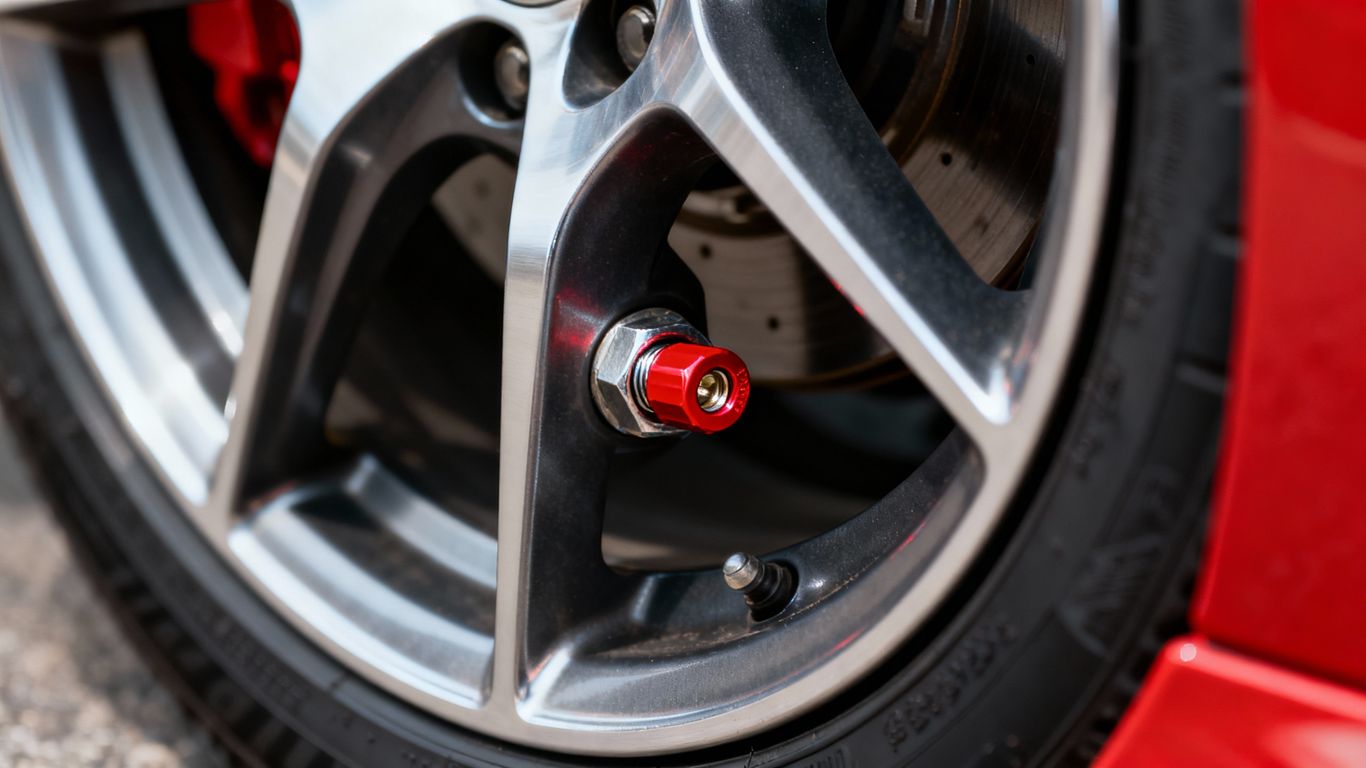
You've probably seen them – those little colored caps on your tire valves. Maybe you've even wondered if they're just for show or if they mean something. We're going to break down what these colorful tire valve caps are all about, whether they're safe, and if they make any real difference for your car. It's not as complicated as it sounds, and knowing a bit more can help you keep your tires in good shape.
Key Takeaways
- Colored tire valve caps, especially green ones, often indicate that a tire is filled with nitrogen instead of regular air.
- While nitrogen offers benefits like more stable tire pressure and less moisture, it's generally not necessary for everyday drivers.
- Standard air is perfectly fine for most vehicles and driving conditions.
- Colored tire valve caps themselves do not typically affect tire pressure or cause corrosion, but a loose or damaged cap can be a problem.
- The main job of any tire valve cap, colored or not, is to keep dirt and moisture out and maintain a proper seal.
The Colorful World of Tire Valve Caps
Are Those Little Caps Just for Show?
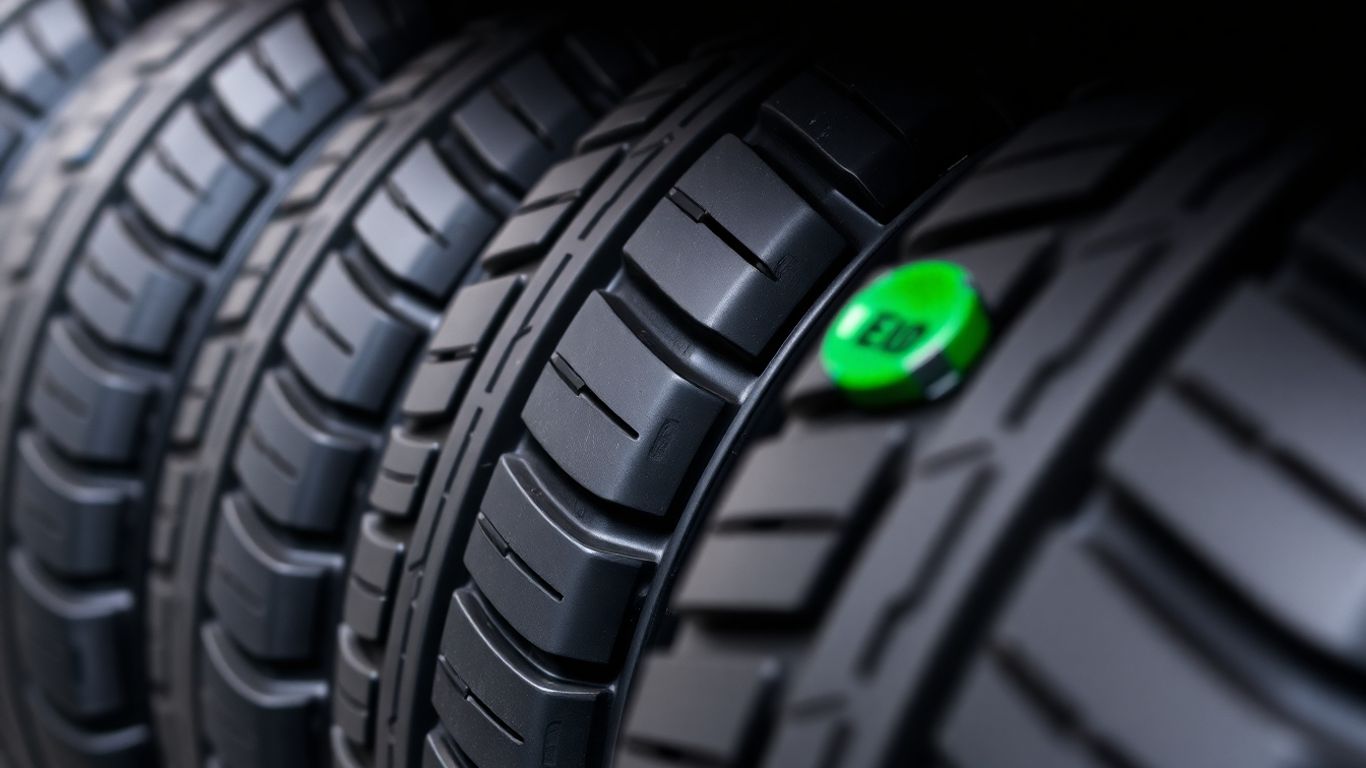
So, you're staring at your tires, maybe contemplating the meaning of life or just wondering if you need to buy more snacks. And then you notice them: those tiny little caps on your tire valves. Some are black, some are silver, and some are, well, a whole lot more exciting. You might be thinking, 'Are these just little fashion accessories for my car's feet?' The short answer is: sometimes! Most of the time, they're just plain old plastic or rubber caps doing their job of keeping dirt and moisture out. But then you see those brightly colored ones, especially the green ones. What's the deal with those?
What Do Those Green Caps Really Mean?
Ah, the green cap. This little guy is like a secret handshake among car enthusiasts. If you see a green cap on a tire valve, it usually means that tire has been filled with nitrogen instead of regular air. Think of it as a little flag saying, 'This tire is fancy and filled with premium gas... I mean, gas.' Nitrogen is supposed to be more stable than regular air, meaning it doesn't expand and contract as much with temperature changes. This can lead to more consistent tire pressure, which is generally a good thing for your tires and your ride. It's the same stuff they put in airplane tires, so it's got some serious credentials.
Beyond Green: A Rainbow of Possibilities
While green is the most common color you'll see signaling nitrogen, don't be surprised if you spot other colors. Sometimes, manufacturers or tire shops use different colors for their own internal systems, maybe to track when tires were last serviced or what type of gas is inside. You might even see some really wild colors – chrome, red, blue, you name it. These are often just for looks, a way to add a little pop of personality to your wheels. They're like tiny hats for your valves, and while they might not do much for performance, they can certainly make your car stand out in a crowd. Just remember, a colorful cap doesn't automatically mean anything special about the air inside; it's usually the green ones that carry a specific meaning.
Nitrogen vs. Air: A Tire's Best Friend?
The Nitrogen Nitty-Gritty
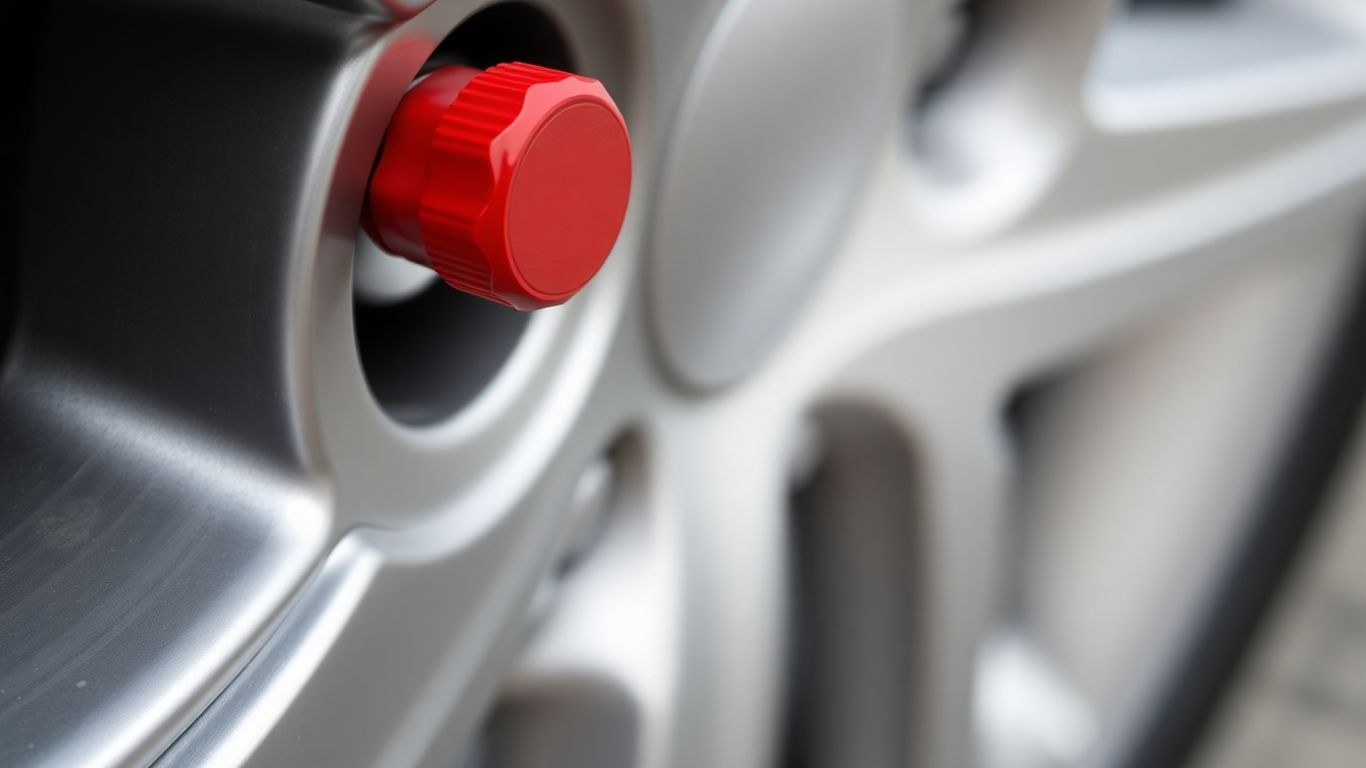
So, you've seen those little green caps on some tires and wondered what's up. Turns out, green usually means nitrogen. Aircraft have been using it for ages, and race car drivers swear by it. The idea is that nitrogen molecules are bigger than oxygen molecules, so they leak out of your tires slower. This means your tire pressure stays more consistent, especially when the temperature does its usual hot-and-cold dance. Plus, nitrogen has less moisture than regular air, which is supposed to be kinder to your tire's insides and any fancy sensors you might have. It's like giving your tires a spa treatment, but it'll cost you a bit more than just hitting up the local gas station.
Air Apparent: The Everyday Option
Let's be real, for most of us just cruising around town or heading to work, regular old compressed air is perfectly fine. It's cheap, it's everywhere, and it does the job. You'll find it at pretty much any gas station or tire shop. The main downside? Air is a mix of gases, including oxygen, which can fluctuate more with temperature changes. This means your tire pressure might dip a bit on a cold morning and creep up on a hot afternoon. It's not the end of the world, but it does mean you'll probably need to check and top up your tires more often. Think of it as the reliable, no-frills option.
When Does Nitrogen Make a Difference?
Okay, so when should you actually consider the nitrogen upgrade? If you're doing a lot of long-distance highway driving, especially in really hot weather, the stability of nitrogen might be a plus. Drivers who live in places with wild temperature swings might also see some benefit. And if you're the type who likes to keep things perfectly maintained and doesn't mind a small extra cost, nitrogen could be your jam. It's not a magic bullet, but for certain driving styles and conditions, it can offer a bit more peace of mind. Remember, though, even with nitrogen, regularly checking your tire pressure with a good gauge is still the most important thing you can do for your tires. It's a simple habit that saves you money and keeps your tires running efficiently.
Here's a quick rundown:
- Nitrogen Pros: More stable pressure, less moisture, slower leaks.
- Nitrogen Cons: Costs more, not as widely available.
- Air Pros: Cheap, easy to find.
- Air Cons: More pressure fluctuation, contains moisture.
Ultimately, for the average driver, the difference between air and nitrogen is pretty small. The biggest factor in tire health is still making sure they're properly inflated, no matter what gas you use.
The Nitty-Gritty on Tire Valve Caps
Do Colored Tire Valve Caps Affect Tire Pressure?
So, you've slapped some snazzy, neon-green valve caps on your tires, thinking you're all set. But do these little guys actually mess with your tire pressure? The short answer is: probably not, unless they're defective or you've gone completely rogue with some bizarre, oversized contraption. Standard colored caps are designed to fit snugly over your valve stem, just like their boring black or silver counterparts. Their main job is to keep dirt and moisture out, which is pretty important for, you know, air staying in. If a cap is loose or damaged, it could theoretically let a tiny bit of air escape, but we're talking microscopic amounts. It's far more likely that any pressure changes you notice are due to temperature fluctuations or just plain old evaporation, which happens even with the most basic caps. The color itself has zero impact on the air inside your tire. It's all about the seal.
Can They Cause Corrosion or Other Woes?
This is where things get a little more interesting, and frankly, a bit less colorful. Some folks worry that fancy caps, especially those made from certain metals or plastics, might react with the valve stem and cause corrosion. It's a valid concern, especially if you live in an area where salt is used on the roads in winter. Think of it like leaving a penny on a wet metal surface for too long – sometimes, weird reactions happen. While most valve stems are made of rubber or metal that's pretty resistant, cheap, unbranded caps could potentially cause issues over time. It's not common, but it's something to keep an eye on. If you notice any weird discoloration or gunk around your valve stems, it might be time to ditch the flashy caps and go back to basics. A little bit of preventative maintenance can save you a headache down the road, and honestly, who wants to deal with a corroded valve stem? It's not a fun time.
The Real Deal About Tire Valve Cap Materials
When it comes to what these little doodads are made of, you've got a few main players. Most standard caps are made of black plastic, which is pretty inert and does its job without fuss. Then you have the metal ones – aluminum, chrome, sometimes even stainless steel. These can look pretty slick, but as mentioned, they can be more prone to corrosion, especially if they're not high-quality. Some novelty caps might be made of other materials, like rubber or even glow-in-the-dark plastic. The glow-in-the-dark ones are kind of neat, adding a bit of flair to your ride after dark, but their material composition is usually pretty standard plastic. The key takeaway here is that the material matters more than the color. Stick with reputable brands, and if you're unsure, the humble black plastic cap is usually your safest bet. It's not the most exciting choice, but it's reliable. For more on tire care, check out this info on tire pressure.
Here's a quick rundown:
- Plastic Caps: Most common, generally safe, and inexpensive. They're the workhorses of the valve cap world.
- Metal Caps (Aluminum, Chrome, etc.): Can look sharp, but watch out for potential corrosion, especially in harsh environments.
- Rubber Caps: Often found on specific types of valves, usually quite durable.
- Novelty/Specialty Caps: Materials vary wildly, so inspect them for quality and potential issues.
Ultimately, the function of a tire valve cap is simple: keep the gunk out and the air in. While fancy colors and materials can add personality, they shouldn't compromise that basic function. If a cap looks cheap, feels flimsy, or you have doubts, it's probably best to err on the side of caution and stick to something more tried-and-true.
Safety First, Fashion Second (Maybe)
Are Your Fancy Tire Valve Caps a Hazard?
So, you've got these snazzy, brightly colored valve caps. Maybe they're shaped like little flames, or perhaps they're a vibrant shade of neon green that screams 'look at me!' While they might add a certain je ne sais quoi to your otherwise ordinary tires, it's worth pausing for a second to think if they're actually doing more harm than good. It's not like we're talking about strapping a disco ball to your roof, but even small things can sometimes cause unexpected issues. The biggest concern isn't usually the color itself, but the material and how well it fits.
The Importance of a Proper Seal
Think of your tire valve stem as a tiny, but very important, mouth. It needs to be sealed shut when you're not actively adding air. That little cap? It's like a tiny helmet for that mouth, keeping dirt, moisture, and general road gunk out. If your fancy cap doesn't seal properly, or if it's made of a material that degrades over time, you could end up with a slow leak. And nobody wants a slow leak, right? It's like that one friend who always shows up late – annoying and inconvenient.
Here's a quick rundown of what to watch out for:
- Material Matters: Cheap plastic caps can become brittle in the sun or freeze in the cold, leading to cracks. Metal caps, especially if they're not the right kind, can sometimes react with the valve stem, causing a bit of a sticky situation (more on that later).
- Fit is King: If the cap is too loose, it won't seal. If it's too tight, you might struggle to get it off when you actually need to check your tire pressure. It's a delicate balance, like trying to fold a fitted sheet.
- The 'O-Ring' Factor: Some caps come with a little rubber O-ring inside. This is actually a good thing! It helps create a better seal and keeps out the nasties.
When to Stick to the Classics
Honestly, for most of us just driving to the grocery store and back, those standard black plastic caps that came with your car are perfectly fine. They do their job without fuss. If you're really set on adding some flair, consider caps made from reputable brands that use durable materials. Avoid anything that looks suspiciously cheap or flimsy. Remember, the primary job of a valve cap is protection, not winning a beauty contest for your tires. If your colorful caps are causing you to lose sleep (or air), it might be time to go back to basics. After all, a properly inflated tire is way more stylish than a flat one, no matter what color its cap is.
Keeping Your Tires Happy and Healthy
The Role of Tire Valve Caps in Maintenance
Look, nobody loves talking about tire maintenance. It’s right up there with flossing and doing your taxes. But here’s the thing: those little valve caps, the ones you might have swapped out for a snazzy colored set, actually play a small but mighty role in keeping your tires in tip-top shape. They’re like the tiny bouncers at the club door for your tire’s air supply. Their main gig? Keeping dirt, grime, and moisture from waltzing into your valve stem. If gunk gets in there, it can mess with the valve core, leading to slow leaks. And nobody wants a slow leak, right? It’s the automotive equivalent of a dripping faucet – annoying and potentially costly.
Checking Your Tire Pressure: A Timeless Tip
Seriously, this is the one thing you should be doing more often than you probably are. Think of it like checking your phone battery – you don’t wait until it’s dead to plug it in. Your tires need a consistent charge of air pressure to perform their best. Underinflated tires are sluggish, wear out faster, and guzzle more gas. Overinflated tires? They ride like a buckboard wagon and can be more prone to damage. So, how often should you check? Aim for at least once a month, and always before a long road trip. It takes like, two minutes, tops. You can grab a simple gauge at any auto parts store. Don't rely on the 'eyeball' method; it's about as accurate as a weather forecast from a squirrel.
Here’s a quick rundown:
- Find the sticker: Your car’s recommended tire pressure is usually on a sticker inside the driver’s side doorjamb. Don’t use the max pressure listed on the tire sidewall – that’s a different beast.
- Check when cold: Tires are most accurate when they haven’t been driven for a few hours.
- Unscrew and press: Take off the valve cap (if you still have one!), press the gauge firmly onto the valve stem, and read the number.
- Add or release: Add air if it’s low, or press the little nub in the center of the valve stem to release air if it’s too high.
- Replace the cap: Don’t forget to put the cap back on! It’s the little guy’s job, after all.
When to Stick to the Classics
While those colorful valve caps might look cool, sometimes the simplest option is the best. If you’re worried about corrosion, especially if you live in an area with salty roads or high humidity, sticking with standard black rubber or metal caps is a safe bet. They do the job of protecting the valve stem without adding any extra fuss or potential for weird reactions with your wheel material. It’s like choosing a comfortable pair of socks over those sparkly, but ultimately painful, high heels. Functionality often wins.
The main takeaway here is that while fancy valve caps are fun, they shouldn't get in the way of basic tire care. Keeping your tires properly inflated and protected from the elements is way more important than matching your valve caps to your car's paint job. So, maybe keep a few classic caps handy, just in case your colorful ones decide to cause trouble.
So, Should You Go Green?
Alright, so we've talked about these fancy colored valve caps and the whole nitrogen-in-your-tires thing. Honestly, for most of us just cruising around town or hitting the highway occasionally, regular old air is probably just fine. It's cheap, it's everywhere, and your tires won't suddenly stage a rebellion. If you're a race car driver or live somewhere with wild temperature swings, maybe you'll notice a difference. But for the rest of us? Stick with air, check your pressure now and then, and save your money for more important things, like, you know, snacks. Those colorful caps? They're mostly just for show, like a tiny hat for your tire's nose. Cute, but probably not changing your life.
Frequently Asked Questions
What do colored valve caps on tires mean?
Colored valve caps, especially green ones, often signal that the tire has been filled with nitrogen instead of regular air. Think of it as a little flag telling you what's inside.
Do colored valve caps affect tire pressure?
The color of the cap itself doesn't change the tire pressure. However, if a colored cap means the tire is filled with nitrogen, that gas can help maintain more stable tire pressure compared to regular air, especially when temperatures change.
Can valve caps cause damage to my wheels?
Most standard valve caps, whether colored or black, are made of plastic or rubber and are safe. However, very cheap or poorly made caps, or those made of metal that don't fit well, could potentially scratch your wheels or, in rare cases, cause corrosion if they trap moisture.
Is nitrogen better than regular air for my tires?
For most everyday driving, regular air is perfectly fine. Nitrogen offers benefits like more stable pressure and less moisture, which can be good for race cars or vehicles in extreme climates. But for the average driver, the difference might not be worth the extra cost.
How often should I check my tire pressure?
It's a good habit to check your tire pressure at least once a month, and before any long trips. Using a tire pressure gauge regularly is key to keeping your tires safe and performing well, no matter what's inside them.
Should I use fancy colored valve caps or stick to plain ones?
While colored caps can add a bit of style, it's most important that they fit properly and create a good seal to keep dirt and moisture out of the valve stem. If you're unsure, classic black caps are always a safe and reliable choice.


Comments
Post a Comment