Do Tire Caps Really Make Your Car Faster? (Spoiler: No)
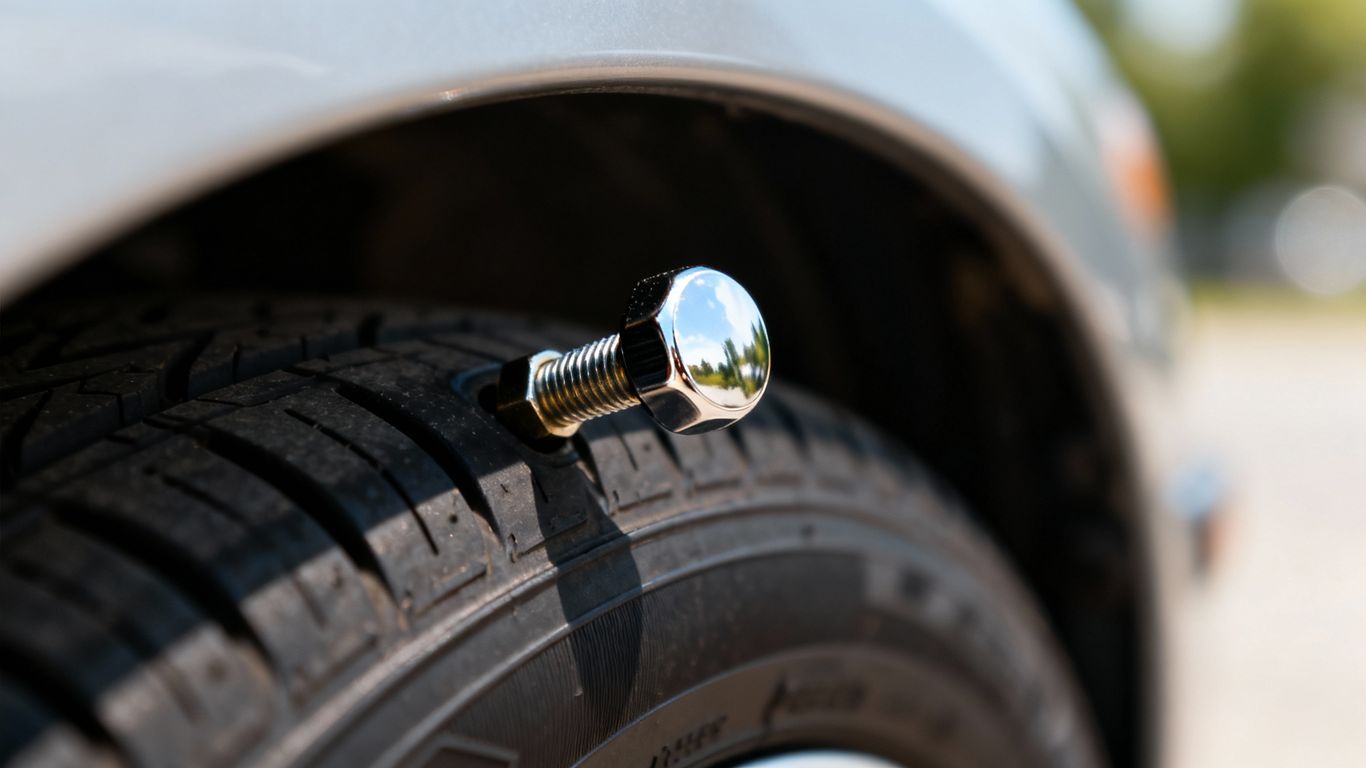
Ever wondered if those little tire caps on your car's valves actually do anything for speed? You know, the ones you can buy in all sorts of cool colors and designs? It’s a common thought, especially when you're looking for any little edge to make your car perform better. We've all seen them, and maybe even thought, 'Could this be it? Could these tiny things be the secret to a faster ride?' Well, buckle up, because we're about to find out if there's any truth to the idea that tire caps can make your car faster. Spoiler alert: it's probably not what you're hoping for.
Key Takeaways
- Tire caps are primarily for keeping dirt and moisture out of your tire valves, not for boosting speed.
- Aerodynamics, like spoilers and the overall shape of a car, significantly impact performance, but tire caps play no role.
- Spoilers work by manipulating airflow to create downforce, which helps with grip, unlike tire caps.
- Wheel covers can have a minor effect on airflow around the wheels, but tire caps do not.
- Focusing on actual performance upgrades like engine tuning, suspension, and tires will yield real speed gains, not tire caps.
The Great Tire Cap Conspiracy: Separating Fact From Fiction
Are Tire Caps the Secret Sauce to Speed?
Alright, let's talk about those little plastic or metal caps on your tires. You know, the ones that look like they might be doing something important. For years, there's been this whisper, this almost mythical belief, that these tiny doodads are actually some kind of secret weapon for making your car go faster. It's like a car accessory version of a magic bean. People see them on race cars, or fancy sports cars, and their brains just go, "Aha! That must be it!" They imagine these caps somehow slicing through the air with the grace of a ninja, or maybe spinning the wheel with extra oomph. It’s a fun thought, isn't it? A cheap, easy upgrade that suddenly turns your sensible sedan into a speed demon. But is there any truth to this automotive folklore? Probably not, but let's pretend for a second that there might be. What if they did make a difference? What kind of difference could it even be? It’s a question that tickles the imagination, even if the reality is a bit more… mundane.
Spoiler Alert: It's Not About the Caps
So, you've been dreaming of shaving seconds off your lap times just by slapping on some snazzy tire caps. Well, I've got some news that might be a little disappointing, but hey, at least it's honest. These little guys are not the key to unlocking your car's hidden horsepower. Think of it this way: you wouldn't expect a tiny hat to make a marathon runner faster, right? It's kind of the same deal here. While we all love a good mystery and a simple fix, the truth is, the science behind making a car go faster is a whole lot more complicated than a valve stem cover. We're talking about engines, aerodynamics, weight, tires themselves – the big stuff. The caps? They're more like the tiny, often overlooked, accessories to those accessories.
Why We Wish Tire Caps Were Magic
Let's be real, the idea of tire caps being speed boosters is pretty darn appealing. Who wouldn't want a simple, cheap fix to make their car feel zippier? It’s the automotive equivalent of finding a secret cheat code. Imagine walking into an auto parts store, grabbing a pack of these caps, screwing them on, and suddenly feeling a surge of power. It’s a fantasy we can all get behind, especially when the actual process of making a car faster involves a lot of expensive parts and complicated engineering. We want to believe in the magic bean, the simple solution. It makes life easier, and frankly, it's a lot more fun to talk about than, say, the coefficient of drag on a side mirror. So, while the reality might be a bit of a buzzkill, the dream of the speedy tire cap is a fun one to entertain, even if just for a moment.
Aerodynamics: It's Not Just for Airplanes Anymore
What Even IS Aerodynamics, Anyway?
So, you've probably heard the word 'aerodynamics' thrown around, usually when people are talking about fancy sports cars or, you know, actual airplanes. But what is it, really? Think of it as the study of how air moves around things. For cars, it's all about how the air flows over, under, and around the vehicle as it zooms down the road. The smoother the air flows, the less resistance the car faces. This resistance, called drag, is like an invisible hand trying to slow your car down. It’s a big deal because a huge chunk of your engine’s power is spent just fighting this air resistance. So, engineers spend a ton of time trying to make cars as slippery as possible, like a well-oiled (or perhaps, well-aerodynamic-ed?) machine.
How Airflow Affects Your Ride
When your car is cruising, air is doing all sorts of wild things around it. It splits, it swirls, it sometimes even tries to lift the car up (which is generally not a good thing at speed). This whole dance of air molecules can seriously impact how your car handles and how much gas it guzzles. Imagine trying to run through a swimming pool versus running on a track – the air is like that pool for your car. The more you can make the air flow cleanly, the easier it is for the car to move forward. This means better fuel economy, and for those who care about such things, potentially higher speeds. It's not just about looking cool; it's about physics, baby!
The Role of Spoilers (Spoiler: Not Tire Caps)
Now, let's talk about those flashy bits you see on the back of some cars. Spoilers, for example. They aren't just for show (though some definitely look the part). Their main job is to mess with the airflow in a controlled way. They can help push the car down onto the road, especially when you're going fast. This 'downforce' is super important for keeping the tires glued to the pavement, giving you better grip and control when you're cornering like a race car driver (or just trying to avoid a rogue squirrel).
While we often focus on reducing drag to save fuel, sometimes we actually want the air to push the car down. It's all about finding the right balance for what the car is designed to do. For everyday driving, less drag is usually the goal. For a race car? More downforce might be the ticket.
Think of it this way:
- Drag: The air pushing against your car, trying to slow it down. We usually want to minimize this.
- Lift: The air trying to push your car up, away from the road. We usually want to minimize this too, unless we're talking about race cars.
- Downforce: The air pushing your car down, onto the road. This is good for grip at high speeds.
So, while aerodynamics is a huge factor in how cars perform, it's a complex game of managing air. And spoiler alert: those little plastic caps on your tire valves? They're not really playing in this big league.
The Truth About Tire Caps and Your Car's Performance
What Do Tire Caps Actually Do?
Okay, let's get real for a second. Those little doodads you screw onto your tire valves? They're not exactly the secret weapon of Formula 1 drivers. Their main gig is pretty simple: they keep the gunk out. Think of them as tiny, plastic or metal hats for your valve stems. They stop dirt, moisture, and whatever else is lurking on the road from getting in there and messing with your tire pressure. Without them, you risk slow leaks and inaccurate readings, which is a pain, to say the least. It’s like wearing a hat to keep the rain out of your eyes – it serves a purpose, but it’s not going to make you run faster.
Why Tire Caps Don't Affect Speed
So, why do some people think these tiny caps can magically boost speed? Honestly, it's probably a mix of wishful thinking and maybe seeing some fancy aftermarket caps that look like they should do something. But here's the deal: aerodynamics, the science of how air moves around a car, is a pretty complex beast. It involves the shape of the car, spoilers, diffusers, and even the design of the wheels themselves. The amount of air resistance a car faces at speed is influenced by all these big-picture things. A tiny valve cap? It's like trying to change the course of a river with a teacup. It just doesn't have the surface area or the impact to make any noticeable difference in how air flows over your car. It's not going to smooth out airflow or create any kind of aerodynamic advantage. The science just isn't there.
The Real Culprits Behind Speed Gains
If you're looking to make your car faster, or at least feel faster, you need to look at the actual performance enhancers. We're talking about things that genuinely affect how your car moves through the air or how its engine performs. This includes:
- Engine Tuning: Optimizing the engine's computer for more power.
- Weight Reduction: Making the car lighter so it accelerates quicker.
- Aerodynamic Add-ons: Things like actual spoilers (the big ones on the back, not tire caps!), splitters, and diffusers that are designed to manage airflow. These can reduce drag or increase downforce, which is that magical force pushing your tires into the road for better grip.
- Tire Choice: Performance tires offer better traction.
- Suspension Upgrades: Improving handling and stability.
These are the areas where you'll see real changes. Trying to get speed from a tire cap is like trying to get a tan from a flashlight. It's just not how the physics work. So, while keeping your valve stems clean is a good idea, don't expect any speed boosts from them. You're better off focusing your attention and your wallet on the things that actually make a difference in vehicle performance.
The idea that tire caps could influence speed is a fun thought experiment, but it falls apart pretty quickly when you look at how cars actually work. Aerodynamics is all about managing large-scale airflow, and these tiny accessories just don't have the scale to play in that league. They're for keeping dirt out, plain and simple.
Chasing Downforce: The Real Aerodynamic Heroes
The Mighty Spoiler: A Downforce Dynamo
Alright, let's talk about the real deal when it comes to making your car stick to the road like a gecko on a mission: downforce. While those tiny tire caps are busy doing… well, whatever it is they do, spoilers are out there doing the heavy lifting. These bad boys aren't just for show (though some definitely look cooler than others). They're designed to manipulate the air flowing over your car, pushing it down onto the tires. More downforce means better grip, especially when you're taking corners at speeds that would make your grandma clutch her pearls.
Understanding How Spoilers Work Their Magic
So, how does a spoiler actually work? Think of it like an upside-down airplane wing. Air moving faster over the curved top of the wing creates less pressure than the slower air underneath. On an airplane, this pressure difference lifts the plane. A spoiler flips this concept. By creating a difference in air pressure above and below the spoiler, it generates a downward force. This force presses the car into the pavement. It’s all about managing airflow. Clean airflow is key here; turbulence is the enemy of effective downforce. Imagine trying to push a piece of paper through choppy water versus calm water – the calm water makes it way easier. The same principle applies to air and your car's aerodynamics. Some high-performance vehicles even use active spoilers that can adjust their angle on the fly, like those found on some Ferrari chassis [2a92], to optimize downforce based on driving conditions.
Why Tire Caps Can't Compete with Spoilers
Let's be blunt: tire caps are about as effective at generating downforce as a screen door on a submarine. They're too small, in the wrong place, and don't interact with the airflow in any meaningful way to create a downward push. Spoilers, on the other hand, are strategically placed to interact with the main airflow over the car's body. They're designed to create significant pressure differences.
Here's a quick rundown of why spoilers are the aerodynamic heroes and tire caps are… well, just caps:
- Spoilers: Actively redirect airflow to create downward pressure.
- Spoilers: Significantly increase tire grip, especially during cornering.
- Spoilers: Can be adjusted (sometimes automatically) for optimal performance.
- Tire Caps: Keep dirt and moisture out of your tire valves. That's pretty much it.
While the idea of a tiny accessory making a big difference is appealing, the physics just don't back it up for tire caps. Real aerodynamic gains come from carefully designed components that interact with the air in a substantial way.
So, next time you see a car with a big wing, remember it's not just for looks. It's a serious piece of engineering working hard to keep that car planted. Tire caps? They're just along for the ride, keeping your valve stems clean.
Wheel Covers vs. Tire Caps: A Tale of Two Accessories
Alright, let's clear the air, or rather, the wheel well. We've been talking about those tiny little tire caps, the ones that look like miniature bottle caps for your tires. But what about their bigger, more flamboyant cousins: wheel covers? Are they just fancy hubcaps, or do they actually do something? It's time to pit these two automotive accessories against each other in the ultimate showdown of... well, not much, really.
The Subtle Differences in Wheel Accessories
First off, let's get our terminology straight. Tire caps, those little plastic or metal doodads that screw onto your valve stems, are primarily there to keep dirt and moisture out. They're the unsung heroes of tire maintenance, preventing your tire pressure from staging a slow, silent escape. Wheel covers, on the other hand, are the larger, often plastic or metal, pieces that cover the entire wheel hub and lug nuts. They're more about aesthetics, though some might have a minor aerodynamic effect. Think of tire caps as the tiny bouncer at the club door, and wheel covers as the flashy outfit the car wears to the party.
Here's a quick rundown:
- Tire Caps:
- Protect valve stems from dirt and debris.
- Help maintain tire pressure.
- Usually made of plastic or metal.
- Tiny and easily lost.
- Wheel Covers:
- Primarily for looks, covering the steel wheel.
- Can sometimes improve aerodynamics slightly.
- Larger, more visible.
- Can be prone to damage or theft.
How Wheel Covers Might Affect Airflow
Now, this is where things get slightly more interesting, though still not exactly thrilling. Some wheel covers, especially those designed for modern cars or electric vehicles, are engineered with aerodynamics in mind. They often have a flatter, smoother surface compared to traditional spoked wheels. This smoother surface can help air flow more cleanly over the wheel, reducing turbulence. For electric vehicles, this can translate to a small but measurable increase in driving range, sometimes around 4% Aerodynamic wheel covers offer a tangible advantage for electric vehicles, potentially increasing driving range by around 4% in typical conditions.. It’s not about making the car faster in a drag race, but about making it more efficient on its journey.
The idea is that by smoothing out the airflow around the wheel, you're reducing the drag the car experiences. It's like putting a sleek fairing on a bicycle – it doesn't add horsepower, but it makes cutting through the wind a little easier. For everyday driving, especially at highway speeds, this can add up to a tiny bit more miles per charge or per gallon.
Why Tire Caps Are Left Out of the Aerodynamic Equation
So, why don't tire caps get any love in the aerodynamics department? Simple: they're too small and too far removed from the main airflow path. While a wheel cover can influence the air flowing around the wheel, the tire cap is just sitting there, minding its own business on the valve stem. It's like expecting a single grain of sand to change the tide. The forces involved are minuscule, and their impact on the overall drag of a vehicle is, for all intents and purposes, zero. You'd have better luck taping a feather to your antenna and calling it an aero mod. So, while they're important for keeping your tires properly inflated, don't expect them to shave seconds off your lap times or help you win any races. They're functional, not fantastical.
Debunking the Myth: Tire Caps Are Not Speed Demons
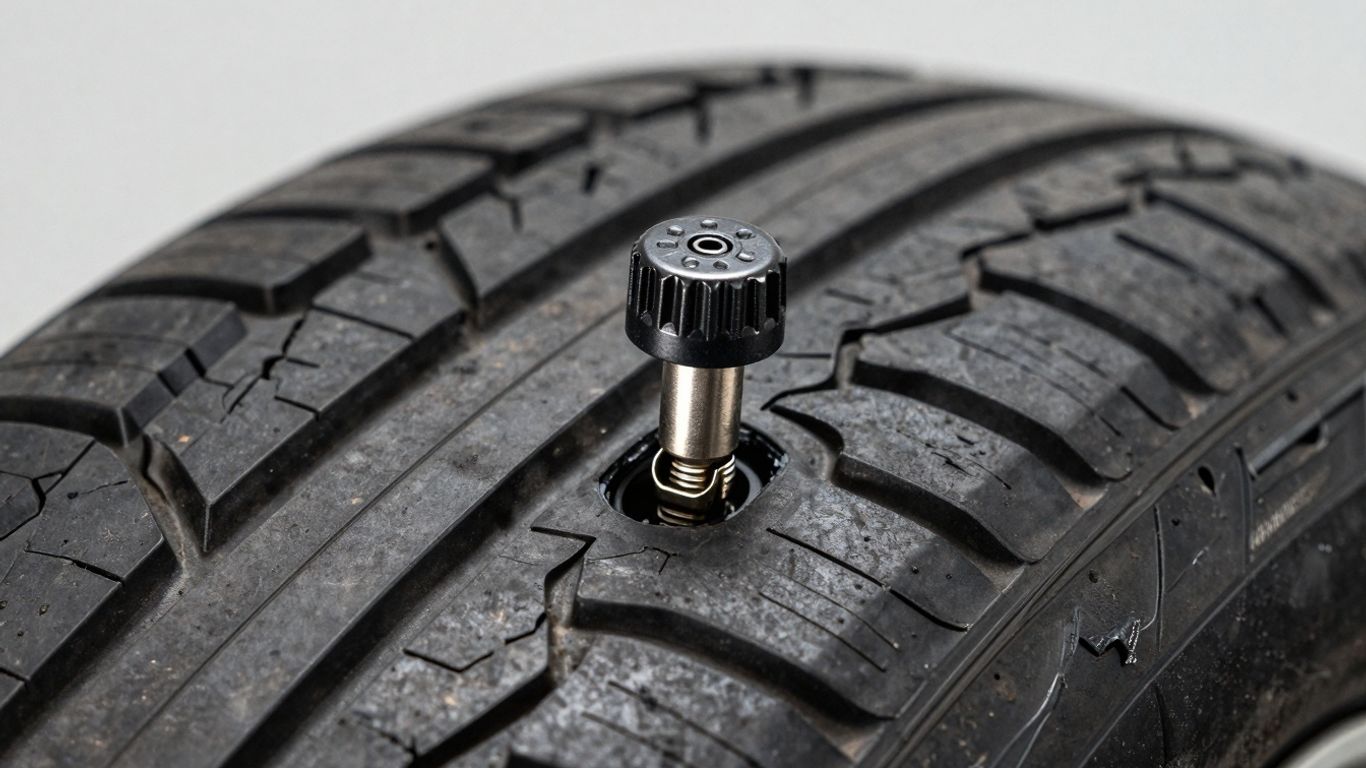
Alright, let's get real. We've all seen those fancy, sometimes aggressively styled, tire valve caps. Maybe you've even wondered if slapping a few of these bad boys on your wheels could magically shave seconds off your lap time or make your commute feel like you're piloting a fighter jet. Spoiler alert: they don't. Tire caps are about as effective at making your car faster as a screen door on a submarine. They're tiny, they're plastic (or sometimes metal), and they sit on a part of your wheel that's frankly, not doing much in the grand scheme of automotive speed.
The Science Behind Why Tire Caps Don't Work
So, what do these little doodads actually do? Their primary job is pretty mundane: they keep dirt, moisture, and general road gunk out of your valve stems. Think of them as tiny, plastic bouncers for your tire valves, preventing unwanted guests from messing with the air pressure. While some might tout "anti-theft" features, these are usually just a slightly more complicated way to screw them on, and honestly, if someone wants your valve stems, they'll probably find a way. It's mostly a marketing ploy, and the real function is just keeping things clean inside keeping your tires properly inflated.
What Actually Makes a Car Faster
If tire caps aren't the secret sauce, what is? Speed gains come from a combination of factors, and they're usually a bit more involved than a quick wheel accessory swap. We're talking about:
- Engine Power: More horsepower and torque mean faster acceleration and higher top speeds. This involves engine tuning, better fuel systems, or even a whole new engine if you're feeling ambitious.
- Aerodynamics: This is the big one. How your car cuts through the air makes a massive difference. Think sleek body designs, spoilers (the real kind, not tire caps!), diffusers, and underbody panels that manage airflow. Reducing drag is key.
- Weight Reduction: Less weight means the engine has less mass to move. This can involve stripping out unnecessary interior components, using lighter materials, or even opting for smaller, lighter wheels (though the caps themselves add negligible weight).
- Tires: The right tires provide better grip, allowing you to put power down more effectively and corner faster. Tire compounds and tread patterns play a huge role.
- Suspension and Brakes: While not directly making you faster in a straight line, good suspension and brakes allow you to maintain higher speeds through corners and brake later, ultimately improving lap times.
Save Your Money: Don't Buy Into the Tire Cap Hype
Look, we all want that extra edge, that little boost that makes our cars feel more exciting. But throwing money at tire valve caps for a speed advantage is like trying to win a marathon by wearing faster shoelaces. It just doesn't work. The forces involved in making a car move at high speeds are immense, and the tiny surface area and minimal impact of a valve cap are simply lost in the shuffle. You're better off spending that cash on a good car wash, some quality tire shine, or maybe even saving up for that actual aerodynamic upgrade you've been eyeing. Trust us, your wallet and your car's performance will thank you.
So, About Those Tire Caps...
Alright, folks, we've spent a good chunk of time talking about aerodynamics, spoilers, and all sorts of fancy car bits. But let's circle back to where we started: those little tire caps. Did they make your car go faster? Unless you've discovered some secret, physics-defying tire cap technology that NASA is hiding, the answer is a resounding 'nope.' They keep dirt out, sure, and maybe they look a tiny bit cooler if you squint. But speed? That's a whole different ballgame, usually involving more horsepower or, you know, actual aerodynamic aids. So, save your money, keep your tires clean, and maybe put that cash towards some better tires or a really good car wash instead. Your car will thank you, and your wallet definitely will.
Frequently Asked Questions
What exactly are tire caps?
Tire caps, also known as valve stem caps, are small covers that screw onto the valve stems of your tires. They are usually made of plastic or metal and are designed to keep dirt and moisture out of the valve stem.
Do tire caps actually help my car go faster?
No, tire caps do not make your car go faster. They are simply there to protect the valve stem. Any claims that they improve speed or performance are just myths.
What is aerodynamics and how does it relate to cars?
Aerodynamics is the study of how air moves around objects. For cars, it's about how the shape of the car affects airflow. Good aerodynamics can help a car be more efficient and stable, especially at higher speeds.
If not tire caps, what aerodynamic parts actually help a car's speed or performance?
Parts like spoilers and wings are designed to change how air flows around a car. Spoilers, for example, can create 'downforce,' which pushes the car down onto the road, giving the tires better grip. This helps with stability and handling, especially when turning or braking.
How do spoilers work to make a car more stable?
Spoilers are shaped to redirect airflow. They push air upwards or downwards, creating a force that presses the car onto the road. This 'downforce' is like an invisible hand pushing your car down, making it harder for the wind to lift it up and improving how well your tires stick to the road.
Are there any other accessories that might affect a car's airflow?
Yes, things like wheel covers can sometimes affect airflow around the wheels. Some tests suggest they might slightly change air pressure, but their effect on overall speed or performance is usually very small compared to major parts like spoilers.


Comments
Post a Comment