How Tire Caps Became a Street Racing Fashion Statement
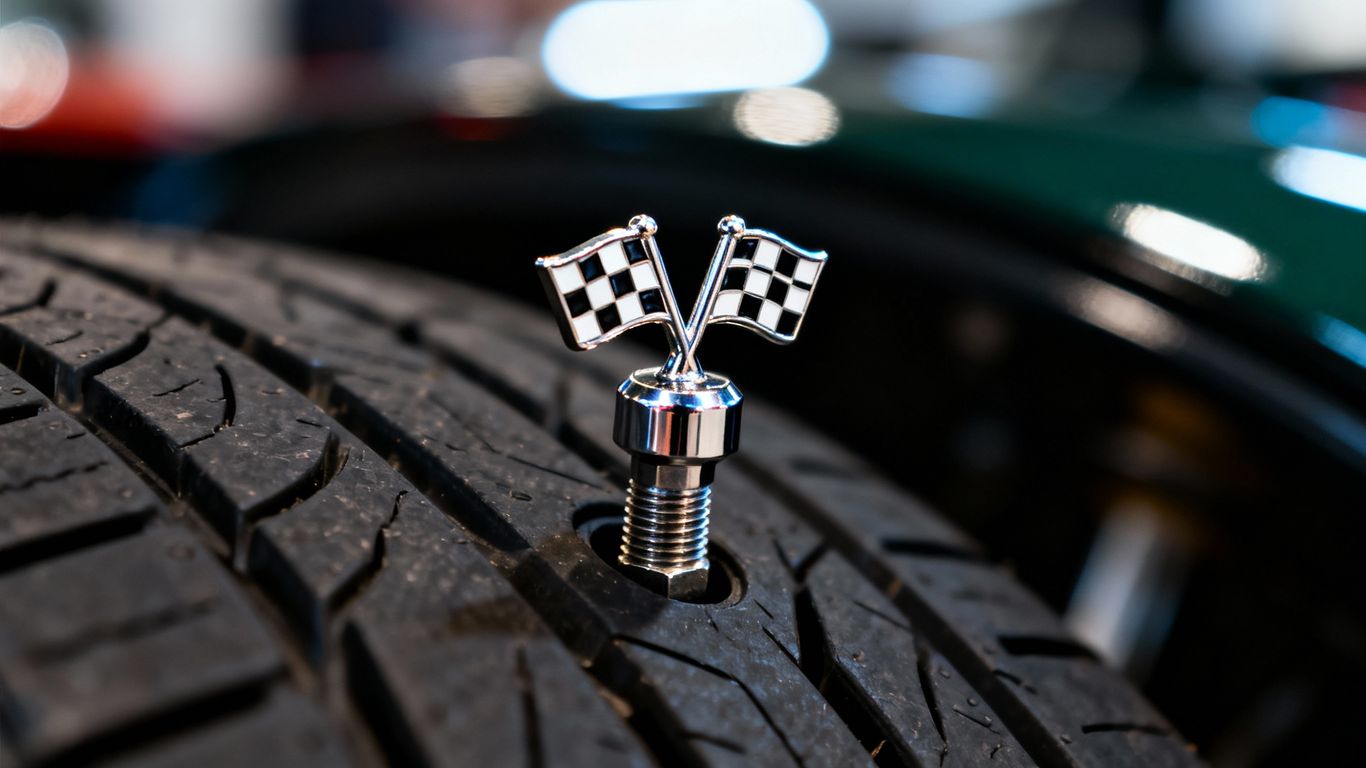
You know, it's funny how things change. What started as a simple piece of equipment on a car has somehow become a whole fashion statement. I'm talking about tire caps. Seriously, who would have thought these little things could go from just protecting your tires to being a cool accessory? It all happened because of car culture, especially racing and the music scene. Let's break down how these tiny parts ended up making such a big splash in streetwear.
Key Takeaways
- Racing jackets and gear, once only for fans at the track, became huge in '90s hip-hop and streetwear, showing off logos like DuPont and M&M's.
- The 'tuner' scene, popular with young people in the late '90s and early 2000s, made cars like the Honda Civic look flashy with stickers and custom parts, influencing street style.
- Big fashion brands like Supreme and even luxury ones like Dior and Saint Laurent started using racing and motocross designs in their clothes, showing how big the trend became.
- Iconic racing visuals, from car designs to driver uniforms, have been adopted by fashion, turning practical items into stylish statements.
- Tire caps, though small, are part of this bigger trend, representing the details that connect racing heritage to everyday fashion and the car enthusiast's look.
From Racetrack Roar to Streetwear Score
When Music Met Motorsports Mayhem
Remember when the loudest noise wasn't just the engines, but the beats dropping from car stereos? Yeah, me neither, but apparently, it was a whole thing. Back in the day, the raw energy of motorsports started seeping into places it probably shouldn't have, like, you know, your everyday wardrobe. It was like someone accidentally spilled a can of high-octane fuel onto the fashion world, and things got a little… wild. Suddenly, the roar of the engines wasn't just for the folks in the stands; it was the soundtrack to a whole new style movement. This wasn't just about looking fast; it was about feeling fast, even if your biggest race was to the fridge.
The '90s Hip-Hop Engine Starts
The '90s were a wild time, weren't they? Hip-hop was exploding, and so was its influence on what people wore. Suddenly, those flashy jackets you saw at the racetrack, plastered with sponsor logos like they were going out of style, started showing up everywhere. Think Tupac or Mobb Deep rocking a NASCAR jacket – it wasn't just clothing; it was a statement. These weren't just any jackets; they were often made by streetwear brands like FUBU, blending the rough-and-tumble world of racing with the smooth swagger of the streets. It was a mashup that nobody saw coming, but it totally worked. This fusion turned a niche sport's gear into a mainstream fashion phenomenon.
NASCAR Jackets: From Paddock to Pavement
So, how did a jacket designed for mechanics and drivers end up on the back of every cool kid in the city? It’s simple, really. The vibrant colors, the bold sponsor patches – they were eye-catching. Brands like Goodyear and STP weren't just selling tires and oil; they were selling a piece of the action. When hip-hop artists started rocking these jackets, it was like a turbo boost for the trend. Suddenly, wearing a jacket with a bunch of logos wasn't just about supporting a team; it was about co-signing a look. It was the ultimate way to show you were in the know, even if your knowledge of racing extended to knowing who had the flashiest jacket. It was all about that street cred, and these jackets delivered it in spades. The transition from the paddock to the pavement was complete, proving that fashion truly has no limits.
The '90s Streetwear Revolution: More Than Just a Pretty Patch
Alright, so picture this: it's the 1990s. The air is thick with the scent of cheap hairspray and even cheaper ambition. Music is blasting from boomboxes, and suddenly, the roar of a V8 engine isn't just for the guys in the stands. It's becoming the soundtrack to our lives, and guess what? Our closets are about to get a serious tune-up.
FUBU and Sean John: The Racing Uniform Remix
This is where things got really interesting. Brands like FUBU and Sean John weren't just making clothes; they were remixing the entire concept of what it meant to look cool. They took the bold logos, the vibrant colors, and the sheer swagger of NASCAR jackets and turned them into the ultimate streetwear flex. Suddenly, rocking a jacket with a DuPont or M&M's patch was the hottest ticket in town, even if your only experience with a racetrack was watching cartoons on Saturday morning. It was less about knowing the difference between a pit stop and a pit bull, and more about owning that look. Wearing your favorite driver's sponsor became a badge of honor, a silent nod to a culture that was suddenly everywhere. It was like everyone suddenly had a favorite driver, even if they couldn't drive a stick shift to save their lives.
Wearing Your Favorite Driver, Even If You Can't Drive
Seriously, who needed a driver's license when you had a killer racing jacket? These weren't just jackets; they were statements. They screamed, "I'm fast, I'm cool, and I probably know more about hip-hop than I do about tire pressure." You'd see these jackets everywhere – on the street, in music videos, and definitely at any party worth its salt. It was a whole vibe, a whole movement, and it was fueled by the undeniable coolness of motorsport aesthetics. It was a way to connect with that high-octane energy without ever leaving the pavement. You could be a fan of the idea of racing, the speed, the danger, the whole package, just by wearing the right threads. It was a shortcut to cool, and everyone wanted in.
The Rise of the 'Official' Look
And then there was the whole "official" thing. Suddenly, having an "official" jacket from a racing team or a sponsor felt like you were part of the inner circle. It didn't matter if you actually bought it at a track or if it was a clever streetwear interpretation; it had that aura of authenticity. It was like wearing a piece of the action. These brands understood that the visual language of racing was powerful, and they translated it into pieces that resonated with a generation looking for something bold and exciting. It was a masterclass in how fashion can borrow from sports and create something entirely new, something that felt both familiar and fresh. The motorsport and F1 racing trend in men's streetwear fashion was no longer just a niche interest; it was a full-blown cultural phenomenon.
Tire Caps: The Unsung Heroes of the Tuner Scene

Okay, let's talk about the little things. You know, the bits that don't get all the glory but totally make a car look right. We're talking about tire caps, or more accurately, wheel covers and center caps. Back in the day, especially with the rise of the import tuner scene, these weren't just about keeping dirt out of your lug nuts. They were part of the whole vibe. Think about it: you've got your souped-up Civic, maybe a slammed Integra, and it needs that finishing touch. Those chunky, often chrome or black, wheel covers? They were like the chunky sneakers of the car world. They made those smaller wheels look bigger, more substantial, and frankly, way cooler than plain steelies. It was all about the aesthetic, and these caps were a big part of it.
Civics Get Chunky: The Import Scene's Aesthetic
When the Honda Civic and Integra started flooding the streets, they were often seen as budget-friendly canvases. But the tuner crowd? They weren't having any of that "boring economy car" nonsense. They slapped on body kits, lowered them to the ground, and then came the wheels. Often, full-size aftermarket wheels were expensive. So, what's a tuner to do? Grab some stylish wheel covers that mimicked the look of pricier rims. These weren't just generic plastic things; they had personality. Some looked like classic mesh wheels, others tried to replicate fancy multi-spoke designs. They were the accessible way to get that aggressive, street-ready look.
From Parking Lots to the Big Screen: Fast & Furious Fashion
Remember those early days of The Fast and the Furious? It wasn't just about NOS and street races; it was a visual explosion of tuner culture. And guess what was on a lot of those cars? You guessed it – those distinctive wheel covers. They were everywhere, from the parking lots where these scenes were filmed to the actual movie sets. They became synonymous with the tuner look, a visual shorthand for "this car is fast and has attitude." It was a whole fashion statement, and the wheel cap was a tiny, but mighty, accessory in that wardrobe.
The 'Tuner' Look: More Than Just a Sticker
So, what exactly was the tuner look? It was a mix of Japanese performance car heritage and a dash of American street style. It involved:
- Lowering the car (often aggressively).
- Adding aerodynamic body kits (think spoilers and side skirts).
- Sporty exhaust systems (for that signature rumble).
- And, of course, eye-catching wheels and covers.
These wheel covers weren't just slapped on; they were chosen to complement the overall build. They were part of the puzzle that transformed a humble commuter car into a street machine. It was about making a statement, even if that statement was just "I spent my weekend in the garage and my paycheck on parts."
The humble wheel cover, often overlooked, played a significant role in defining the visual identity of the tuner scene. It offered a budget-friendly path to customization, allowing enthusiasts to express their style and mimic the aesthetics of more expensive aftermarket wheels. This accessibility made it a cornerstone of the tuner look, turning ordinary cars into statements of automotive passion.
Beyond the Track: When Fashion Brands Go Full Throttle

So, the whole racing thing wasn't just for the folks actually on the track, or even just the hip-hop heads rocking those sweet jackets. Nope, the big fashion players, the ones you see in fancy magazines and even fancier stores, started noticing this whole motorsport vibe. It was like they looked at a checkered flag and thought, "You know what? That could look good on a handbag." And guess what? They were kinda right.
Supreme's Motocross Mayhem
Supreme, the streetwear brand that can make a brick look cool, totally jumped on the motocross bandwagon. Back in 2018, they teamed up with Fox Racing, a brand that actually makes gear for people who ride dirt bikes. They dropped a whole collection – jerseys, pants, helmets, the works. It looked so legit, like you could actually hit a jump with it. Suddenly, off-road gear wasn't just for the dirt; it was hitting runways. It’s wild to think that a logo meant for kicking up dust is now a status symbol in the city.
Dior and Saint Laurent: Even the Runway Gets Muddy
And it wasn't just the streetwear crowd. Even the super-fancy, high-fashion houses like Dior and Saint Laurent got in on the action. They started incorporating racing elements into their designs. Think sleek jackets with sponsor-like patches, or cuts that mimicked racing suits. It’s like they took the raw energy of the racetrack and polished it up for the catwalk. Who knew that the same aesthetic that fueled a Saturday night drag race could end up on a runway in Paris?
Tommy Hilfiger's Pit Stop in Style
Tommy Hilfiger, the guy who practically invented preppy American style, also decided to take a detour onto the racetrack. He’s been sponsoring racing teams and even launched entire collections inspired by motorsports. It’s his way of blending that classic "Modern Americana" feel with the thrill of speed. He’s basically saying, "You can look sharp and still feel the need for speed." It’s a smart move, connecting with a whole new audience who might not know a carburetor from a coffee maker but definitely know a good-looking jacket when they see one.
It’s funny how things cycle, isn't it? What started as functional gear for speed demons and then became a symbol of rebellion and cool in music, eventually got picked up by the very brands that used to be miles away from that world. Now, you see racing-inspired everything, from fancy sneakers to, well, you know, those little tire caps we'll get to later. It just goes to show that a good design, a bit of adrenaline, and a whole lot of marketing can make anything a fashion statement.
The Enduring Appeal of Racing's Visual Language
Look, let's be honest. Cars and bikes going fast have always looked cool. It’s not just about the roar of the engine or the smell of burnt rubber (though, yeah, that’s part of it). It’s the whole package, the vibe. Think about it: the bold colors, the crazy logos plastered everywhere like a kid’s sticker book exploded, the numbers that look like they belong on a superhero’s chest. It’s a whole visual language that screams speed, rebellion, and maybe a little bit of “don’t mess with me.”
Iconic Rides, Iconic Style
Some cars and bikes are just legendary. They’re not just machines; they’re rolling pieces of art. You see a classic Mustang or a souped-up Charger, and you instantly get it. It’s that raw energy, that American individualism. Even the motorcycles, like those old Harley flat trackers, have a story to tell. They’re not just metal and rubber; they’re symbols of freedom and a bit of that old-school engineering magic. It’s like looking at a vintage photo – it just takes you back.
From Mechanic Jumpsuits to Streetwear Staples
This whole racing aesthetic didn't just stay on the track. It seeped into everything. Those Nomex suits covered in sponsor patches? Suddenly, people wanted that look, even if their biggest race was to the fridge. The checkered flag pattern, the racing fonts – they started showing up everywhere, from t-shirts to sneakers. It’s that blue-collar pride mixed with a bit of flash that just works. It’s a style that says you appreciate hard work and maybe a little bit of danger, even if you’re just commuting to work.
The Humble Trucker Cap Gets a Speed Boost
And then there are the little things, like the trucker cap. Originally for, you know, truckers, it got adopted by the racing world and suddenly it was the hat. Add a cool patch, maybe a sponsor logo, and boom – instant cool. It’s proof that sometimes the simplest items, when touched by the right culture, can become icons. It’s funny how a simple piece of headwear can carry so much history and style, all thanks to a bit of speed and a lot of attitude.
The visual language of racing is more than just pretty paint jobs and cool logos. It’s a blend of raw power, a touch of danger, and a whole lot of freedom. It’s a style that’s been around for decades, and it’s not going anywhere. It’s the kind of look that makes you feel a little bit faster, even when you’re stuck in traffic.
Here's a quick look at how some classic racing elements have made their mark:
- Color Schemes: Think Gulf Oil's iconic orange and blue, or the bold red and white of STP. These aren't just colors; they're time machines.
- Logos & Patches: From oil companies to cigarette brands, sponsors became part of the visual identity, turning cars and suits into walking billboards.
- Typography: Racing numbers and stylized fonts became instantly recognizable, adding to the aggressive, fast-paced aesthetic.
- Patterns: The classic black and white checkered flag is a universal symbol of racing, appearing everywhere from flags to fashion.
Tire Caps: The Tiny Titans of Trendsetting
Okay, let's talk about the unsung heroes of automotive flair: tire caps. You know, those little doodads that cover the center of your wheels? They might seem small, but these guys have been through a lot. Back in the day, they were basically just there to keep dirt out of your wheel bearings, which, let's be honest, is a pretty important job. But then, things got interesting.
Civics Get Chunky: The Import Scene's Aesthetic
When the import scene really took off, especially with cars like the Honda Civic and Acura Integra, people started looking for ways to make their rides stand out. Stock wheels were fine, but they weren't exactly screaming 'look at me!' So, people started swapping them out for aftermarket ones, and that's where the center caps came into play. Suddenly, having a cool, branded center cap – maybe from a racing team or a popular wheel manufacturer – became a big deal. It was like the jewelry for your car's feet. It was the subtle flex that said, 'I know what's up.'
From Parking Lots to the Big Screen: Fast & Furious Fashion
Remember The Fast and the Furious? Of course you do. That movie basically put tuner culture on the map for everyone. Suddenly, everyone wanted that look: the loud paint, the big spoilers, and yes, the flashy wheels with prominent center caps. These weren't just functional pieces anymore; they were part of the whole aesthetic. They were the little details that tied the whole look together, from the neon underglow to the racing stripes. It was all about making your car look fast, even if it was just cruising through the mall parking lot.
The 'Tuner' Look: More Than Just a Sticker
So, what exactly is the 'tuner' look? It's a whole vibe, man. It’s about personalization and showing off your passion for cars. The center cap is a small but mighty part of that. It's a place to put a logo, a brand, or even a custom design. Think about it: you've got your stickers, your body kit, maybe some fancy exhaust tips, but that center cap? That's the cherry on top. It's the little detail that shows you've thought about everything. It’s like the perfect accessory that completes an outfit, but for your car. It’s the final touch.
The evolution of the tire cap from a purely functional part to a fashion statement mirrors the broader trend of personalization in automotive culture. What started as a simple cover evolved into a canvas for brand identity and personal expression, especially within enthusiast communities.
So, What's the Deal with Tire Caps?
And there you have it. What started as a way to keep dirt out of your tires somehow morphed into a full-blown fashion statement, splashed across music videos, streetwear, and even high-fashion runways. Who knew that a simple piece of plastic, or a fancy embroidered jacket, could tell such a wild story? It’s a reminder that sometimes, the coolest trends come from the most unexpected places, like a dusty racetrack or a late-night street race. So next time you see someone rocking a vintage racing cap, give 'em a nod. They're not just wearing a hat; they're wearing a piece of automotive history, probably with a story about how they totally beat that guy in the souped-up Civic last Tuesday. Or maybe they just think it looks cool. Either way, it’s a win.
Frequently Asked Questions
How did racing clothes become popular in hip-hop?
In the 90s, rappers loved showing off their cool cars and fast lifestyles. They started wearing racing jackets and hats with big logos, just like race car drivers. Brands like FUBU even made clothes that looked like racing gear, mixing the excitement of the track with street style. It was all about looking cool and showing off that fast-paced energy.
What is the 'import scene' and how did it relate to fashion?
The 'import scene' was all about young people modifying Japanese cars, like Honda Civics, to make them faster and look unique. They'd add cool parts and stickers. This scene loved a certain style: low cars, flashy paint, and loud engines. It became a whole look, and you'd see people wearing clothes that matched that tuner vibe, even if they weren't racing themselves.
Did big fashion brands copy racing styles?
Yes, definitely! Brands like Supreme, Dior, and Tommy Hilfiger saw how cool racing gear looked. They started making their own clothes inspired by motocross and NASCAR. Think jackets with patches, cool graphics, and the overall sporty feel. It showed that racing fashion wasn't just for drivers anymore; it was becoming high fashion.
What kind of clothes did people wear from racing culture?
People started wearing things like NASCAR jackets with sponsor logos, mechanic shirts, and even caps that looked like they belonged in a pit crew. These items went from being practical gear for racers to trendy fashion pieces that people wore every day to show their love for speed and style.
Are tire caps really a fashion statement?
While tire caps themselves might be small, they became part of the whole racing look. Think about the stickers and logos you'd see on race cars and gear. They were little details that added to the overall vibe. In the tuner scene and with brands referencing racing, these small elements became part of the bigger style picture.
Why do people still like racing fashion today?
Racing has always been about speed, excitement, and looking good while doing it. The clothes capture that feeling. Plus, many classic racing designs are timeless and cool. Brands keep bringing back these styles with a modern twist, so people can connect with that heritage and enjoy the energetic look of motorsports.


Comments
Post a Comment