The Evolution of Valve Stem Caps Through the Decades
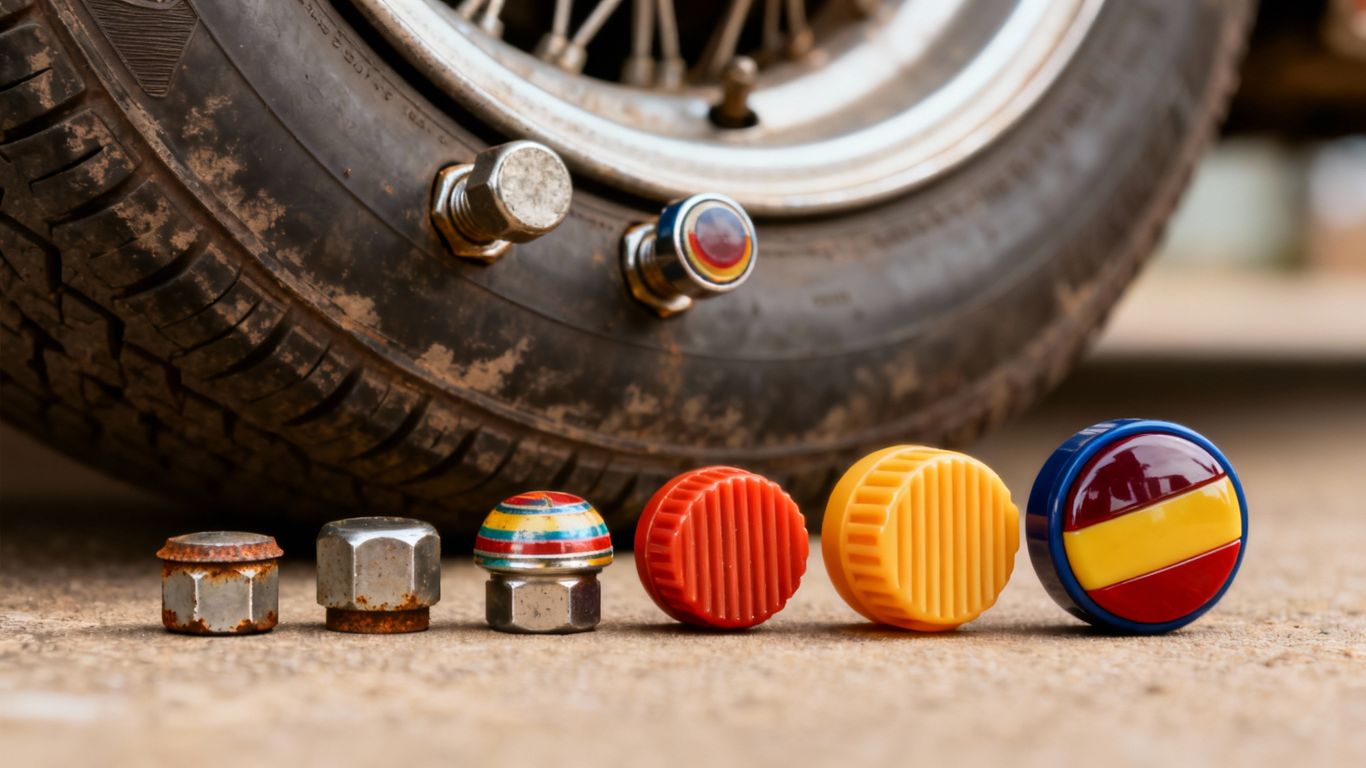
You know, thinking about valve stem caps might seem a little odd, but these small parts have a surprisingly long history. They've gone through a lot of changes, just like the bigger valves they protect. From early designs to the super-advanced stuff we see today, it's a journey worth looking at. It really shows how even the smallest pieces of technology evolve over time, adapting to new needs and materials. It's kind of like how fashion changes, but for industrial parts.
Key Takeaways
- Ball valves, using materials like Teflon, really changed things up from older multi-turn valves, making operation simpler and faster.
- The move towards smaller, automated valves, especially with standards like ISO 5211, made automation more common and efficient.
- Industry standards, like those from ASME, have become more important, with stricter enforcement to ensure quality and safety.
- New materials and manufacturing methods, like additive manufacturing, are being explored to meet tough challenges, especially with things like hydrogen.
- Making production greener and getting products to market faster are key ways valve makers are staying competitive today.
From Humble Beginnings To Ball Valve Bosses
The Draft, Self-Discovery, and a Mother's Tough Love
So, picture this: it's the late 1960s, and our guy, Rick Wentzel, is fresh out of college. Instead of hitting the job market with a clear plan, he's doing the whole "finding himself" thing for six months. His mom, bless her heart, finally put her foot down. "Rick, you're getting lazy. You gotta go look for a job," she probably said, maybe with a sigh. This tough love landed him a gig as a salesman for Watts Regulator. His first big assignment? Driving people around from the airport for the company's sales meeting. Talk about starting at the bottom!
A Christmas Eve Robbery and a Moment of Despair
Things got a little more exciting, and frankly, terrifying, a bit later. Rick was sent out on Christmas Eve to fix a pump in a sketchy neighborhood. He finishes up around midnight, climbs out of the basement, and BAM! Robbed of his wallet. He spent the next morning feeling pretty sorry for himself, sitting in his underwear. It sounds rough, but sometimes those low points are just the setup for something bigger, right? It’s a wild story, but it’s just part of the journey that led to some pretty neat valve innovations.
The Ball Valve Revolution: Teflon Takes the Stage
Fast forward to the 1970s, and the valve world was about to get a serious upgrade. Before this, you had your standard gate and globe valves, which were fine, but kind of clunky. Then came the ball valve, a real game-changer. This newfangled tech actually got its start in post-WWII submarine equipment. The real magic ingredient? Teflon. Yep, the same stuff your non-stick pans are made of. It turned out to be perfect for valve seats, making them seal better and last longer. This wasn't just a small tweak; it was a whole new ballgame for fluid control, making things more efficient and reliable. These early ball valves, though not always full port, were a huge leap forward from the old multi-turn designs, paving the way for better tire valve protection.
The Quarter-Turn Takeover And Tiny Tech
From Submarines To Standard Ports
So, picture this: it's the 1970s, and the valve world is mostly about these slow-poke, multi-turn valves. Think gate valves and globe valves – they took ages to open or close. Then, BAM! The ball valve shows up, and it's a game-changer. It all started with some fancy post-WWII submarine tech, believe it or not. They figured out that using Teflon, that slippery stuff we now use for non-stick pans, as a seat for a ball could handle high pressure. This was the birth of the quarter-turn valve, a speedy little number that could go from fully open to fully closed with just a flick of the wrist. Back then, though, nobody really made "full port" valves. They called them "standard port," which was basically a fancy way of saying "reduced flow." It was like buying a sports car with a governor on it – what's the point?
The Rise Of The Quarter-Turn Valve
This whole quarter-turn thing really took off because, frankly, people got tired of waiting. Plus, plants were starting to get computerized, and you needed valves that could keep up with the digital age. It wasn't just about speed, though. The industry started realizing that making a full port ball valve wasn't that much harder or more expensive than the reduced ones, but it sure did make a difference in how much stuff could actually flow through. So, the "standard port" slowly faded away, and the full port became the new normal. It’s like going from a tiny straw to a milkshake-thick one – way better.
Smaller Valves, Bigger Automation
Fast forward a bit, and things got even crazier. The average automated ball valve used to be around 3 inches. Now? We're talking less than 3/4 of an inch. Why the shrink? Labor costs, for one. Automating smaller valves is cheaper, and it lets you control everything from a computer screen. It also turns out that European companies were way ahead of us in standardizing how valves and actuators hooked up. They had this thing called ISO 5211, which basically made it super easy to mount actuators directly onto valves. We were a bit behind the curve here in the US, but eventually, we caught on. This standardization meant less hassle, fewer parts, and a much more compact setup.
The shift to quarter-turn valves and the adoption of standards like ISO 5211 weren't just about making things faster or smaller. They were about making industrial processes more efficient, more controllable, and ultimately, more profitable. It's the kind of progress that happens quietly in the background but makes a huge difference.
Here's a quick look at how valve sizes have changed:
| Valve Type | Early 1970s Average Size | Today's Average Size |
|---|---|---|
| Automated Ball Valve | ~3 inches | < 3/4 inch |
And the move towards full port designs:
- Old School: "Standard Port" (Reduced flow)
- New School: Full Port (Maximum flow)
- The Benefit: Better flow, same basic valve construction.
It’s funny how something as simple as a valve can go through so many changes, but it just goes to show that even the most basic parts of industry are always evolving.
Standards, Enforcement, And Expertise Evaporation
The Old Guard: ASTM And ASME's Early Days
Back in the day, setting the rules for valves wasn't exactly a high-stakes drama. Think of it like your grandpa deciding how to build a birdhouse – lots of common sense, a bit of tradition, and maybe a few scribbled notes. The ASTM and ASME (which used to be ANSI, confusing, I know) started way back, around 1918 and 1920. These weren't some fancy government committees; they were born out of military needs, specifically for ships. ASTM basically said, "Here's what the metal should be like," and ASME chimed in with, "And here's how the whole darn thing should be put together." It was a simpler time, and honestly, most folks just trusted each other to do the right thing. It was all very much a self-certification kind of deal. If you said your valve met the standard, people generally believed you. It was like saying you cleaned your room – nobody really checked unless something went spectacularly wrong.
When The Experts Packed Their Bags
Now, here's where things get a little… well, less expert. Back in the 70s, 80s, and even into the 90s, if you walked into a pipe, valve, and fitting (PVF) house, there was usually a go-to person. This wasn't just some sales guy; this was the actuator guru. He was the one who knew which gizmo would make which valve spin just right. He was the wizard behind the curtain, the guy who could match the perfect motor to your specific valve needs. But then, as happens to all wizards, they eventually moved on. Maybe they retired, took a new job, or just went on a really, really long vacation. And guess what? They took all that specialized knowledge with them. Poof! It vanished. This happened all over North America. Suddenly, those PVF houses, which used to be the go-to for actuator smarts, were left scratching their heads. It was like a whole generation of valve whisperers just disappeared, leaving a big, quiet gap.
The New Sheriff In Town: ASME's Enforcement Power
So, what happened when all those experts left and self-certification started feeling a bit shaky? Enter ASME, the new sheriff in town. After merging with ANSI, ASME suddenly got some real teeth. Before, it was all voluntary. Now? Not so much. They gained the kind of authority that used to be reserved for things like boilers and tanks. This means ASME can show up at your plant with just 24 hours' notice and give your ASME-rated valves a good old-fashioned once-over. If they don't meet the standards, you're in trouble. It’s a bit like getting a surprise inspection at school – you’d better have been paying attention! This shift from a handshake agreement to actual enforcement changed the game entirely. It forced companies to take standards seriously, not just as guidelines, but as rules with actual consequences. It’s a good thing for safety and reliability, even if it means a bit more paperwork and a lot less room for error. For more on keeping operations running smoothly, check out this fleet management playbook Canadian fleet management.
Here's a quick rundown of what changed:
- Old Way: Self-certification. You said it met the standard, and people nodded.
- New Way: ASME enforcement. They can inspect your gear and tell you if you pass or fail.
- Impact: More accountability, less guesswork, and a stronger push for quality.
The shift in how valve standards are managed went from a friendly nod to a firm handshake, and then to a full-on inspection. It’s a sign of the times, really. As things get more complex and the stakes get higher, having a clear set of rules and someone to make sure everyone plays by them becomes pretty important. It’s not about being difficult; it’s about making sure things work the way they’re supposed to, especially when lives or big money are on the line.
The Digital Dawn And Direct Mount Dreams
Going Online: A Brave New World For Valve Sales
Remember the days when buying a valve meant a handshake, a thick catalog, and maybe a slightly-too-long lunch? Yeah, me neither, but I hear stories. The late 20th century saw a seismic shift. Suddenly, the internet wasn't just for cat videos and questionable chat rooms; it started showing up in industrial supply. This meant valve companies had to figure out how to sell their stuff without actually being in the same room. It was a bit like trying to teach your grandma how to use a smartphone – lots of confusion, some frustration, but eventually, things started to click. Online catalogs and early e-commerce platforms began to change how people found and bought valves. It wasn't about schmoozing over coffee anymore; it was about having the right product listed clearly, with all the specs readily available. This digital push meant that even smaller players could get their products in front of a wider audience, shaking up the old guard.
ISO 5211: Europe's Gift To American Automation
Europe, bless their organized hearts, had been busy creating standards while we were still figuring out how to get our fax machines to stop jamming. One of those brilliant European ideas was ISO 5211. This standard basically created a universal language for how valves and actuators should talk to each other. Before this, it was a bit of a Wild West. You'd buy a valve from Company A and an actuator from Company B, and then spend weeks trying to make them play nice. Often, they wouldn't, and guess who got blamed? Everyone! ISO 5211 changed that by defining mounting patterns and dimensions. This meant you could grab a valve and an actuator from different manufacturers, and they'd just fit. It was like the invention of the USB port for valves. This standardization made automation way easier and cheaper, especially for smaller valves. It really helped push the adoption of automated systems across the board, making plants more efficient and less reliant on manual turning. It’s a good thing we eventually caught up, because trying to automate without it would have been a real headache. You can see how important standards are, even for something as simple as tire pressure monitoring systems TPMS first appeared in European luxury vehicles.
Torque Tamed: The Secret To Smaller Actuators
So, we've got this fancy ISO standard, but there was still a problem. Even with the standard interface, the actuators needed to be pretty beefy to turn those valves. This meant bigger, heavier, and more expensive automation packages. The breakthrough came from figuring out how to drastically reduce the torque required to operate a valve. Think of it like trying to open a really tight jar lid. If you could somehow make the lid easier to turn, you wouldn't need Popeye's forearms to get it open. Engineers started looking at the valve design itself. They focused on making the ball incredibly smooth and precise, using better sealing materials like Teflon, and refining the stem design. By minimizing friction and improving the sealing, they could get the same job done with a lot less force. This reduction in torque was the magic ingredient that allowed for much smaller, lighter, and more affordable actuators. Suddenly, automating even tiny valves became practical and cost-effective, paving the way for the compact, automated systems we see everywhere today.
Materials Matter: From Teflon To Tomorrow's Tech
So, we've talked about how valves got their fancy quarter-turn action and how they shrunk down to fit into our increasingly automated lives. But what are these things actually made of? It turns out, it's not just about slapping some metal together and hoping for the best. The materials used in valve caps, and valves in general, have gone through their own wild ride, from basic stuff to some pretty high-tech wizardry.
Beyond Basic Brass: Advanced Alloys And Ceramics
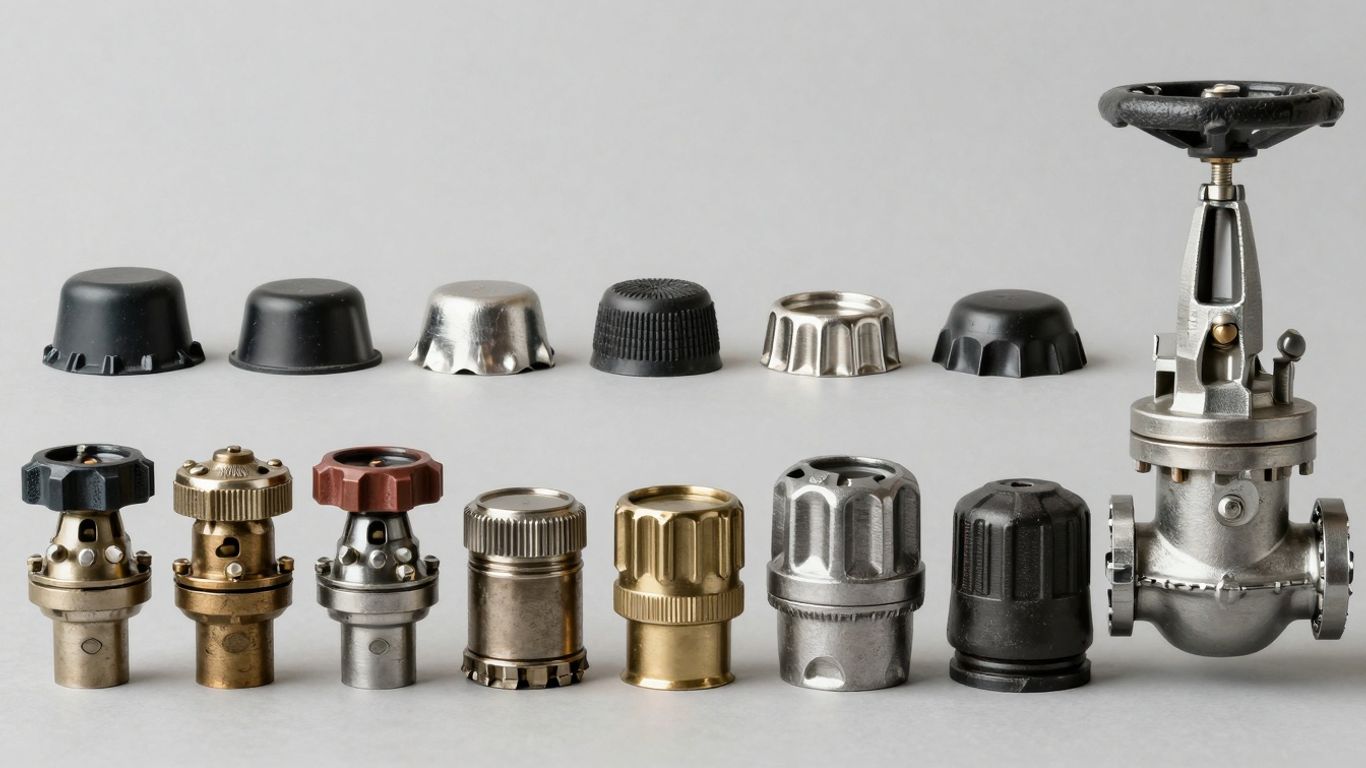
Remember when valve caps were just, well, brass? Or maybe some fancy anodized aluminum if you were feeling particularly flashy? Those days are mostly behind us. Today's valve applications, especially in tough environments, demand more. We're talking about advanced alloys that can handle extreme temperatures and pressures without throwing a tantrum. Think about materials that can resist corrosion like a superhero resisting a mild inconvenience. And then there are ceramics. These aren't just for fancy dinner plates anymore; they're showing up in valve components where extreme hardness and wear resistance are needed. It’s a far cry from the simple tire valve caps that just kept the dust out.
Hydrogen's Hurdles: Tiny Molecules, Big Challenges
Now, let's talk about the elephant in the room, or rather, the tiny, highly reactive molecule: hydrogen. As the world looks for cleaner energy sources, hydrogen is becoming a big deal. But here's the catch: hydrogen molecules are incredibly small and can sneak through materials that seem perfectly solid. Plus, hydrogen can be pretty reactive. This means valve manufacturers are scrambling to find materials that can handle it all. We need stuff that won't let those little hydrogen guys escape and won't get all corroded or brittle from the interaction. It's a real head-scratcher, and a lot of smart people are working on solutions, looking at everything from special stainless steels to advanced coatings.
The Additive Manufacturing Conundrum
Additive manufacturing, or 3D printing as most of us call it, has everyone buzzing. The idea of printing complex valve parts on demand sounds amazing, right? It could mean faster production, custom designs, and maybe even less waste. However, there's a big "but." Standardization is the major roadblock. While the technology itself is impressive, getting everyone to agree on how to make and test these 3D-printed parts is proving to be a challenge. It's like having a bunch of amazing new toys but no instruction manual that everyone can read. Until we get a handle on consistent quality and reliable performance across different 3D printing methods, it's going to be a while before we see 3D-printed valves taking over the world. It's a promising future, but one that still needs a lot of ironing out.
Keeping Your Cool: Sustainability And Staying Competitive
Greener Production: Cutting Energy, Minimizing Waste
So, the valve world is getting a bit of a green makeover, and honestly, it's about time. We're not just talking about making valves that look pretty; we're talking about making them in ways that don't make Mother Earth cry. Think less energy guzzled during manufacturing – like turning down the thermostat in the factory, but for machines. And waste? Nobody likes a messy workshop, and that goes for the planet too. Companies are getting smarter about reusing bits and bobs and recycling materials. It’s like a giant, industrial-scale game of Tetris, but with less frustration and more environmental points.
Water-Wise Testing And Renewable Energy
Testing valves used to be a bit like a water park, lots of splashing around. Now, the trend is towards being more water-wise. This means finding clever ways to test valves without using up all the local water supply. Maybe it's closed-loop systems or just being more efficient with every drop. On top of that, you've got factories starting to run on sunshine and wind power. It's a bit wild to imagine a giant valve factory powered by a gentle breeze, but hey, stranger things have happened. The goal is to make valves that last, and make them in a way that doesn't cost the earth, literally.
Quality Certifications And Speed To Market
In this crazy valve game, you've got to be good, and you've got to be fast. Getting those fancy quality certifications is like getting a gold star from the teacher – it tells everyone you know your stuff. It’s not just about bragging rights; it means your valves are built right and won't decide to take an early retirement. But what's the point of having a top-notch valve if it takes forever to get to the customer? Companies are working on speeding up how quickly they can get new designs from the drawing board to your doorstep. It's a balancing act, for sure, but one that keeps them from getting left in the dust by competitors who are maybe a little less concerned with quality and a lot more concerned with just being cheap.
The pressure is on for valve makers to not only produce reliable parts but to do so with a conscience. This means rethinking everything from how they source materials to how they power their operations and test their products. It's a tough gig, but the ones who figure it out will be the ones still standing when the dust settles.
So, What's Next for the Humble Valve Cap?
And so, we've journeyed from simple rubber stoppers to fancy, sometimes even blingy, valve caps. Who knew such a tiny thing could have such a wild ride? It’s kind of like how a basic idea can turn into something totally unexpected, right? From keeping dirt out to looking cool, these little guys have seen it all. Honestly, next time you check your tire pressure, give your valve cap a little nod. It’s been through a lot, and it’s still here, doing its job, probably without even a thank you. Maybe they’ll start making them out of solid gold next, who knows? The future is weird, and valve caps are just along for the ride.
Frequently Asked Questions
What were the earliest types of valves like?
Way back, valves were pretty simple. Think of them as basic stoppers. Early ones were often made of metal and used on things like ships. They weren't fancy, but they did the job of controlling flow.
How did ball valves change things?
Ball valves were a big deal! Instead of a gate or disc moving, they use a ball with a hole in it. You turn the ball, and the hole lines up to let stuff through or blocks it. They were faster and often worked better than older types, especially with new materials like Teflon making them seal tighter.
What does 'quarter-turn' mean for valves?
A quarter-turn valve just needs a quick turn of the handle (like turning a doorknob a quarter of the way) to open or close. This is much faster than older valves that needed many turns. This speed made them great for automated systems.
Why are standards like ASME important for valves?
Standards are like rules that make sure valves are built safely and work correctly. Groups like ASME check that valves meet certain quality and design rules. This is important so that valves don't break unexpectedly, especially in big industrial setups.
How has technology made valves smaller?
New technology has allowed engineers to make valves and the machines that control them (actuators) much smaller. By making valves work with less force (torque), they can use smaller, lighter, and cheaper actuators to operate them, which is great for automation.
What are the new challenges for valve makers today?
Today's valve makers face challenges like using new materials that can handle tough conditions, like hydrogen. They also need to make their factories greener, use less energy, and be faster at getting new products out. Keeping up with new technology and skilled workers is also key.


Comments
Post a Comment