The Tire Valve Cap Cleaning Guide You Didn’t Know You Needed
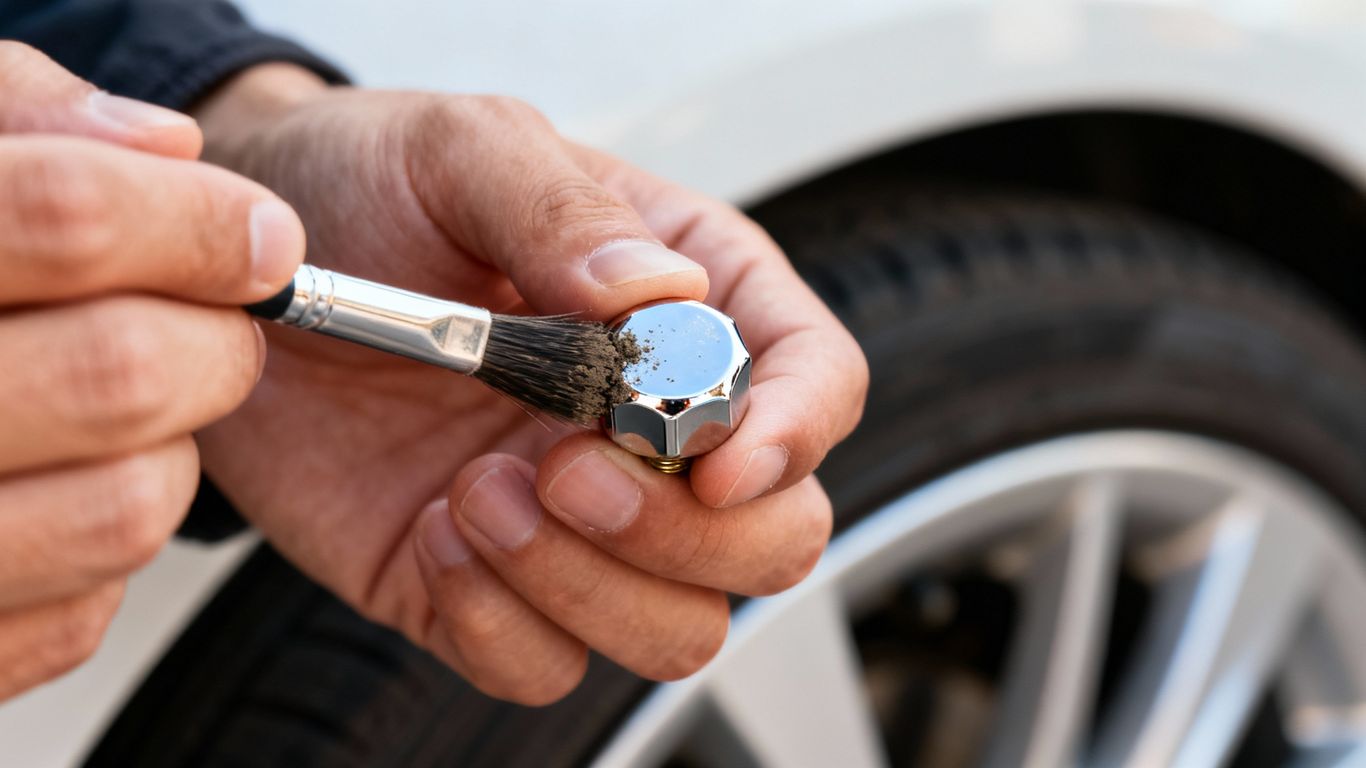
You know those little caps on your tires? The ones you probably never think about? Turns out, they're more important than you might think. They're called tire valve caps, and they do more than just look like tiny hats for your tires. They actually help keep dirt and moisture out of your tire's valve stem, which is pretty important for maintaining the right air pressure. So, let's talk about why these often-ignored parts deserve a little attention, and how a quick clean can make a difference.
Key Takeaways
- Tire valve caps are small but important for keeping your tire's valve stem clean and free of debris.
- Regularly cleaning your tire valve caps can help prevent air leaks and corrosion.
- Gather a few simple supplies like soap, water, and a soft brush for cleaning.
- Be mindful of TPMS sensors when cleaning or replacing valve caps, especially on newer vehicles.
- Replacing old or damaged tire valve caps is a simple maintenance step that can save you trouble down the road.
The Tiny Guardians Of Your Tire Pressure
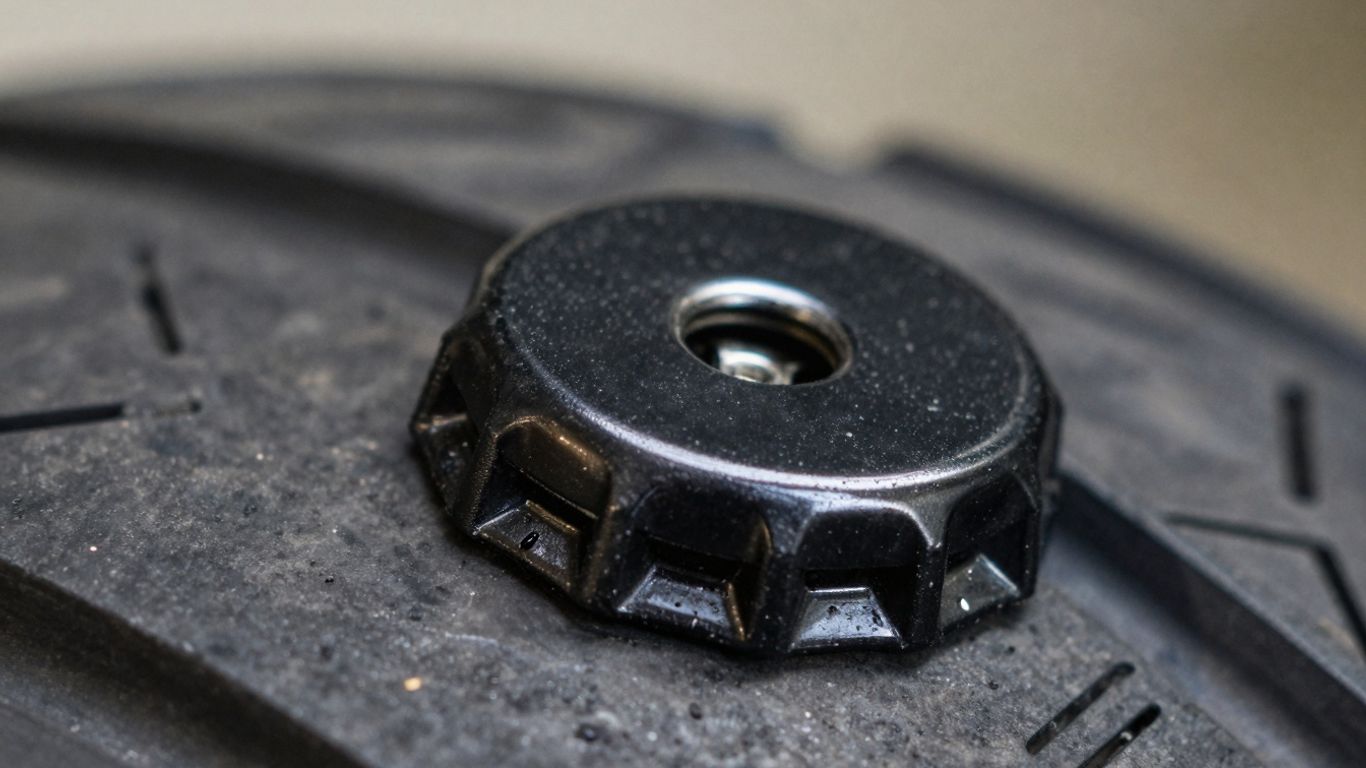
What Are These Little Guys Anyway?
So, you've probably noticed those little plastic or metal doodads screwed onto your tire's valve stem. They're not just there to look fancy, though some definitely try. These are your tire valve caps, and they're like the bouncers at the club for your tire's air. Their main gig? Keeping gunk out and air in. Think of them as tiny, unsung heroes, silently guarding the precious air that keeps your ride smooth and your wallet happy by preventing those annoying trips to the gas station for a quick top-up. They are the first line of defense against a deflated disaster.
More Than Just A Pretty Cap
These humble caps do more than just keep dust bunnies from having a party inside your valve stem. They're actually pretty important for maintaining proper tire pressure. A loose or missing cap can let in dirt and moisture, which can eventually mess with the valve core. This can lead to slow leaks, and nobody wants that. Plus, if you have a fancy Tire Pressure Monitoring System (TPMS), the cap plays a role in protecting the sensor too. It's a small part, but it's got a big job.
The Unsung Heroes Of The Valve Stem
Seriously, give it up for the valve cap. It's the little guy that could. It prevents debris from getting into the valve stem, which could cause a leak. It also helps keep a bit of air from escaping, especially on older valve stems. While it's not the main seal, it's a helpful extra layer of protection. Without them, your valve stems are basically wide open to the elements, and that's just asking for trouble. Keeping them on and clean is a simple step that pays off. You can check your tire pressure by removing the valve cap and pressing a gauge onto the valve stem to get a reading. Check your tire pressure regularly to stay safe.
Here's a quick rundown of why they matter:
- Keeps dirt and moisture out of the valve stem.
- Helps prevent slow air leaks.
- Protects the valve core from damage.
- Works with TPMS sensors to keep them functioning.
Neglecting these tiny guardians is like leaving your front door wide open to a dust storm. It might seem fine for a while, but eventually, something's going to get in and cause a mess.
Why Your Tire Valve Caps Deserve A Spa Day
Okay, let's be honest. When was the last time you even thought about your tire valve caps? Probably never, right? They’re like that one relative you only see at Thanksgiving – small, often overlooked, but surprisingly important. These little plastic or metal doodads are the unsung heroes guarding your tire pressure, and frankly, they’re probably living in a state of grime that would make a dumpster blush. It’s time we gave these tiny guardians the pampering they deserve.
The Grime Scene Investigation
Imagine your valve caps have been on a world tour without a single bath. They’ve braved dust storms, splashed through puddles that looked suspiciously like they contained more than just water, and probably had a close encounter with some questionable roadkill. All this gunk doesn't just look bad; it can actually cause problems. Dirt and debris can work their way into the valve stem, which is a big no-no. This gunk can prevent the valve core from sealing properly, leading to slow leaks. Think of it as your tire cap developing a nasty cough from all the pollution it’s inhaled.
Preventing The Great Valve Leak
Your valve caps aren't just for show. They're the first line of defense against all sorts of nasties trying to sneak into your tires. Without them, your valve stems are basically wide open to the elements. We're talking about water, which can cause corrosion inside the stem, and dirt, which, as we've established, is the enemy of a good seal. Some caps even have little rubber O-rings that add an extra layer of protection, helping to keep that precious air inside where it belongs. A good cap is like a tiny, personal bodyguard for your tire's vital signs. It's a small thing, but it plays a part in keeping your tire pressure just right.
A Shiny Cap Is A Happy Cap
So, what happens when you finally decide to give your caps a little attention? Well, for starters, they’ll look less like they were dug out of a forgotten archaeological dig. But more importantly, clean caps mean cleaner valve stems. This makes it easier to check your tire pressure and ensures that the valve core is free from obstructions. Plus, let's face it, a clean car just feels better, and that includes the little details. It’s a small step, but it contributes to the overall health and appearance of your vehicle. It’s like giving your car a little wink and a nod, saying, “I see you, and I appreciate you.”
The Nitty-Gritty On Cleaning Your Tire Valve Caps
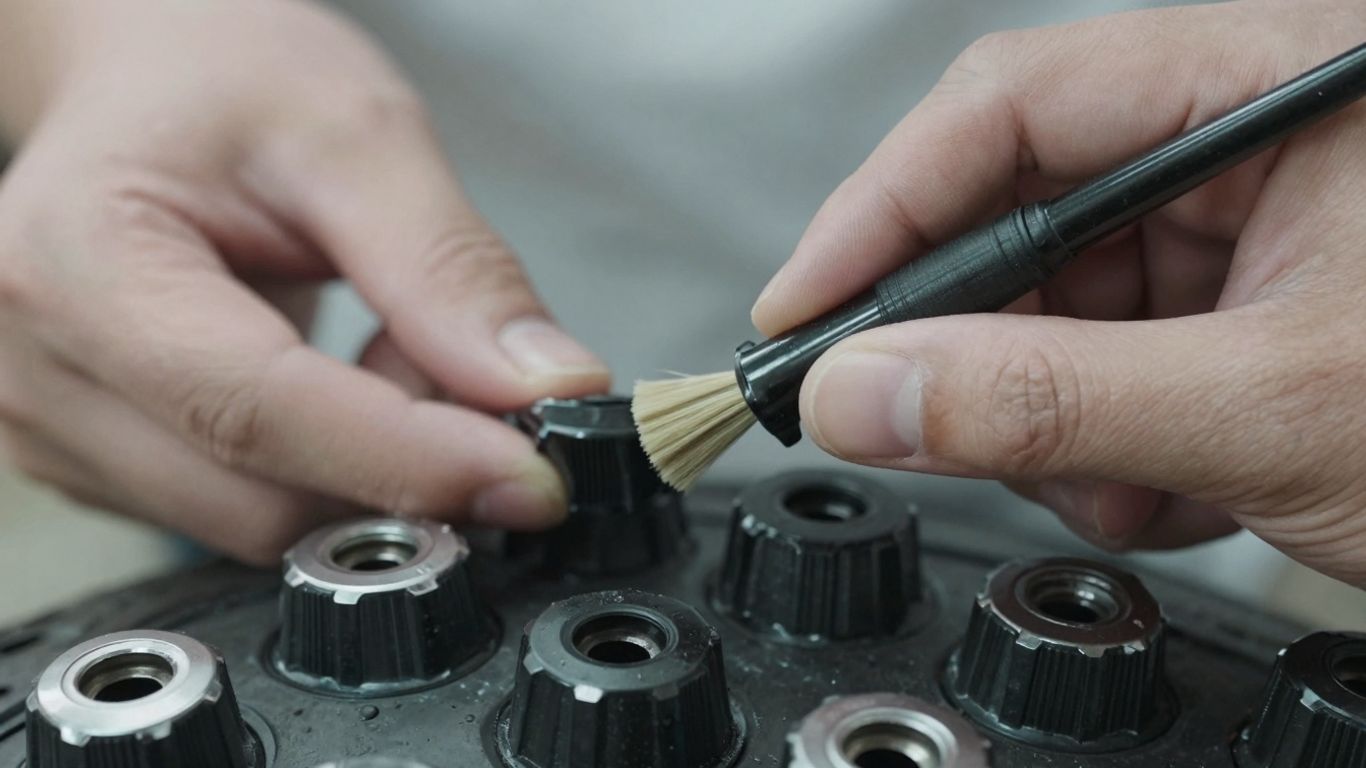
Alright, let's get down to business. You've probably ignored these little guys for, well, ever. But now, it's time for their spa day. Don't worry, it's not rocket science, and you won't need a hazmat suit. We're talking about making your tire valve caps look less like they've been on a mud-wrestling tour and more like they're ready for a red carpet.
Gathering Your Cleaning Arsenal
First things first, let's assemble your cleaning crew. You don't need anything fancy. Think of it as a "kitchen sink" operation, but for your tires. Here's what you'll want:
- Warm water: Not boiling, not ice cold. Just nice and cozy.
- Mild soap: Dish soap works wonders. It's tough on grime but gentle on plastic.
- An old toothbrush or a soft brush: This is your trusty sidekick for scrubbing.
- A clean, soft cloth: For the grand finale – drying them off.
- Optional: A tiny bit of metal polish: If your caps are metal and looking a bit dull, this can bring back the shine. Just a dab will do.
The Gentle Art Of Scrubbing
Now for the main event. Pop those caps off. They should come off with a simple twist. If they're stuck, a little gentle wiggling might be needed. Don't go Hulk-smashing them, okay?
Dip your toothbrush into the soapy water and give each cap a good scrub. Get into all the nooks and crannies. You're aiming to dislodge any dirt, dust, or whatever else has decided to call your valve caps home. If you've got metal caps, and they're looking a bit tarnished, this is where that metal polish comes in. Apply a tiny amount and rub it in with the brush. Remember, these are small parts, so a little goes a long way. We're not trying to polish a whole car here.
Be mindful of the valve stem itself. While you're cleaning the caps, give the exposed part of the valve stem a quick wipe too. Just a gentle swipe with a damp cloth is usually enough. You don't want to introduce any new gunk into the system.
Drying Them Off Like Royalty
Once you've scrubbed them clean, rinse the caps thoroughly under warm water. Make sure all the soap residue is gone. Now, grab that clean, soft cloth. Gently pat each cap dry. You want them completely dry before putting them back on. Moisture trapped inside could potentially cause issues down the line, and nobody wants that. Think of it as tucking them into bed – warm, dry, and ready for action. If you're feeling fancy, you could even let them air dry for a bit on a clean towel, but a good pat-down with the cloth is usually sufficient. Putting dry caps back on is key to keeping your valve stems happy. For those with TPMS sensors, it's especially important to keep the valve stems clean and dry, as corrosion can be a real pain. If you're unsure about your system, checking out TPMS sensor information might be helpful.
When To Give Your Tire Valve Caps Some TLC
The Dirt Detectives' Checklist
So, you've been diligently cleaning your car, maybe even giving the hubcaps a good polish. But what about those tiny valve caps? They're like the unsung heroes of your tire's personal space, keeping the gunk out. When do these little guys actually need a scrub-down? Think of it like this: if your car's tires were a fancy restaurant, the valve caps are the bouncers at the door, making sure only good vibes (and air) get in. You should probably give them a once-over every time you check your tire pressure, or at least every few months. It’s not exactly rocket science, but it’s good practice.
Signs Your Caps Are Crying For Help
How do you know if your valve caps are staging a silent protest? Look for the obvious: if they're caked in mud, road salt, or look like they've been through a tiny, gritty war, it's time. Sometimes, you might even notice a faint hissing sound, which could mean the cap isn't sealing properly anymore. This is especially important if you have TPMS sensors because a dirty or missing cap can let in all sorts of nasties that might mess with the sensor or the valve itself. Also, if a cap just feels loose or wobbly, it’s probably time to either tighten it up or replace it. A cap that's falling off is about as useful as a screen door on a submarine.
A Little Prevention Goes A Long Way
Honestly, the best way to deal with valve cap neglect is to just not neglect them. It takes about two minutes to wipe them down when you're already out there fiddling with your tire pressure. Keep a small pack of wet wipes or a tiny brush in your glove compartment. If you're really feeling fancy, you could even get some spare caps – they're super cheap and way better than discovering you're missing one when you really need it. Remember, these little guys are protecting your tire's vital opening, so treating them with a bit of respect means your tires will stay happy and inflated. It’s a small effort for a big payoff in tire health.
Beyond The Basics: Advanced Tire Valve Cap Care
Alright, so you've mastered the art of the scrub and your valve caps are gleaming. But what if I told you there's more to this tiny plastic (or metal, you fancy pants) world? We're talking about the stuff that makes your car's brain tick, or at least, tell you when it's feeling a bit deflated.
The TPMS Connection
Ever notice that little light on your dashboard that looks like a flat tire? That's your Tire Pressure Monitoring System (TPMS), and guess what? Those little valve caps are its gatekeepers. If your car has TPMS, the valve stem usually has a metal sensor attached to it inside the tire. The cap's job isn't just to look pretty; it's to keep gunk out and, importantly, to prevent galvanic action. That's a fancy term for when two different metals decide to have a party and corrode each other. If you have metal valve stems, you absolutely need plastic caps to avoid this mess. Seriously, don't mix and match metal caps with metal stems unless you want a surprise repair bill.
Galvanic Action? Sounds Scary, But We'll Explain
Okay, so galvanic action. Imagine you have a metal valve stem (often aluminum on cars with TPMS) and you slap a metal cap on it. Water and road salt get in there, and bam! You've got a mini battery forming. The metals start to eat away at each other. This can lead to leaks, or worse, the valve stem can get so corroded it becomes a real pain to remove. That's why plastic caps are your best friend here. They act as a barrier, keeping the metals from having that unwanted chemical reaction. It's like putting a tiny raincoat on your valve stem. If you're unsure about your valve stems, a quick spray of soapy water can help you spot any leaks before they become a big deal.
When To Say Goodbye To Old Caps
Sometimes, even with the best cleaning, a cap has seen better days. Here's the lowdown on when it's time to let go:
- Cracks or Splits: If you see any damage, it's not doing its job of sealing properly.
- Stuck Fast: If a cap is so corroded or gunked up that you can't get it off without a wrestling match, it's probably time for a new one. You don't want to be stranded trying to inflate your tire.
- Missing in Action: Obviously, if it's gone, you need a replacement. Don't drive without them!
- Old Age: While not as strict as tire age limits (which can be around six years, by the way), if your caps are ancient, brittle, or just look sad, replacing them is cheap insurance. You can find replacement caps pretty easily online or at auto parts stores.
The Hilarious Hazards Of Neglected Tire Valve Caps
Okay, let's be real. You probably haven't given your tire valve caps a second thought since you bought your car. They're just these tiny plastic or metal doodads, right? Wrong! These little guys are the unsung heroes of your tire's air-holding capabilities. Neglect them, and you might find yourself in a situation that's less "quirky anecdote" and more "stranded on the side of the road." It's not pretty.
The Case Of The Missing Air
Think of your valve stem as a tiny, very important faucet for air. The valve cap? It's the little stopper that keeps that faucet from leaking when it's not in use. If your cap is missing, cracked, or just plain clogged with gunk, that faucet can start to drip. Slowly at first, maybe. You might not even notice until your tire pressure warning light decides to throw a party on your dashboard. A missing cap is an open invitation for dirt, debris, and moisture to sneak into your valve stem. This can cause corrosion, gum up the works, and eventually lead to a slow, sneaky leak. Suddenly, that cheap plastic cap seems pretty important, doesn't it?
When Caps Go Rogue
Sometimes, neglect doesn't just mean a slow leak. It can mean a full-blown tire emergency. Imagine this: you're cruising down the highway, feeling pretty good about yourself, when suddenly your car starts acting weird. A wobbly steering wheel, a strange thumping sound... you pull over, and uh oh. Your tire is flatter than a pancake that's been run over by a steamroller. What happened? Well, if your valve cap was loose or damaged, it might have vibrated off. Then, dirt and grit could have gotten into the valve core, preventing it from sealing properly. The result? Air escaping faster than you can say "roadside assistance." It's a surprisingly common way for a minor oversight to turn into a major hassle.
Your Tires Will Thank You (Probably With A Squeal)
Ignoring your valve caps is like ignoring a tiny, persistent cough. It might seem harmless now, but it can lead to bigger problems down the line. Besides the obvious air loss, corroded valve stems can become a nightmare to remove or replace, potentially damaging the wheel itself. And if you have Tire Pressure Monitoring System (TPMS) sensors, a dirty or damaged valve stem can interfere with their function, leading to inaccurate readings or even failure. So, give those little caps some love. A quick clean or replacement is way cheaper and less stressful than dealing with a flat tire or a faulty sensor. Your tires, and your wallet, will definitely thank you. Probably not with a squeal, though. More like a quiet, contented hum.
So, Go Forth and Cap!
Alright, we've officially gone deep into the world of tire valve cap cleaning. Who knew such a tiny part of your car could have so much… well, dirt? Now you know. So next time you're waiting for that oil change, or just bored on a Tuesday, give those little guys a scrub. Your tires (and maybe your sanity) will thank you. Plus, you'll have a great story to tell at parties about the time you became a valve cap cleaning guru. You're welcome.
Frequently Asked Questions
What exactly are tire valve caps and why are they important?
Tire valve caps are those small plastic or metal covers you see on your tires' valve stems. Think of them as tiny guardians! Their main job is to keep dirt, dust, and moisture out of the valve stem. This helps prevent air from leaking out, which is super important for keeping your tires properly inflated and safe.
Can I just use any cap, or do I need specific ones?
For most cars, regular valve caps will do the trick. However, if your car has a Tire Pressure Monitoring System (TPMS), you might need special caps. Some TPMS systems use aluminum valve stems, and using metal caps on them can cause a weird reaction called galvanic action, leading to corrosion. It's best to use plastic caps in those cases to avoid problems.
How often should I clean my tire valve caps?
You don't need to clean them every day, but it's a good idea to give them a quick check and clean every few months, or whenever you notice they look dirty or grimy. If you've been driving in dusty or muddy conditions, it's definitely a good time for a clean-up.
What's the easiest way to clean them?
It's pretty simple! You can just unscrew the caps and wash them with some mild soap and water. A soft brush, like an old toothbrush, works great for scrubbing away any gunk. Make sure they're completely dry before you put them back on so no water gets trapped inside.
What happens if I lose a valve cap or don't use one?
Losing a valve cap or not using one might seem like no big deal, but it can lead to trouble. Without a cap, dirt and debris can get into the valve stem, potentially causing it to leak air. This could lead to your tire losing pressure over time, which isn't good for your car's performance or safety.
When should I consider replacing my valve caps instead of just cleaning them?
If your valve caps are cracked, broken, or look really worn out, it's time for new ones. Also, if you've tried cleaning them and they still don't seem to seal properly or keep air in, replacement is probably the best option. It's a small part, but a crucial one for your tires!


Comments
Post a Comment