How Tire Caps Became a Collector’s Item
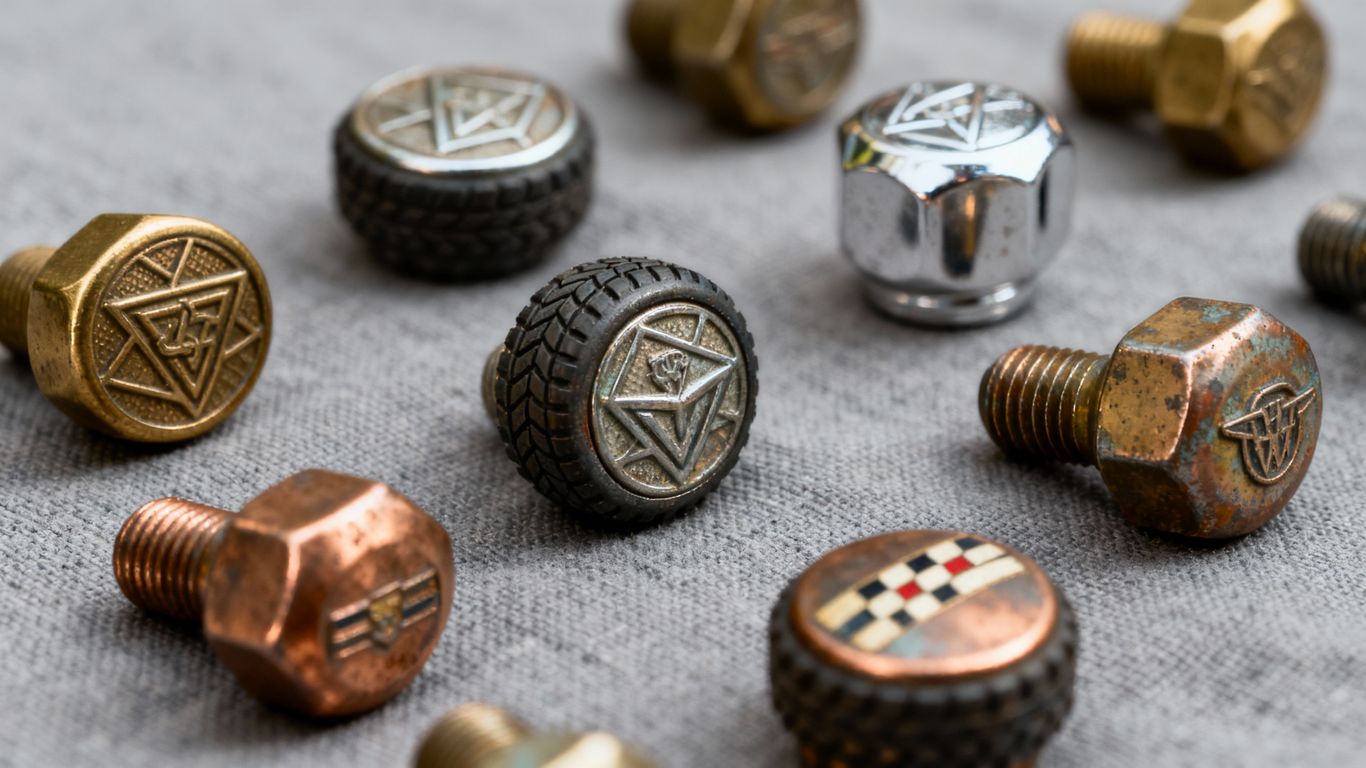
You know those little caps that go on your tire valves? They seem so simple, right? Just a tiny piece of plastic or metal. But believe it or not, these humble tire caps have a surprisingly interesting history. They've gone from being a basic necessity to something people actually collect. It sounds a bit wild, but there's a whole world of enthusiasts out there who are really into finding and trading these small items. Let's take a look at how these everyday tire caps became a collector's item.
Key Takeaways
- Tire caps started as a simple way to keep dirt and moisture out of tire valves, a functional necessity.
- Over time, tire caps evolved with different designs and logos, turning them into small decorative pieces.
- Specific tire caps, especially those from rare brands or in good condition, became sought after by collectors.
- Nostalgia plays a big role, with people collecting tire caps that remind them of specific eras or brands.
- The value of tire caps can range from very little to surprisingly high, depending on rarity, condition, and demand.
The Humble Beginnings of Tire Caps: More Than Just a Pretty Face
From Functional Necessity to Fashion Statement
Let's be honest, nobody really thinks about tire caps. They're like that one sock that always goes missing in the laundry – you know it's supposed to be there, and its absence is mildly annoying, but it's not exactly front-page news. For the longest time, these little guys were just doing their job, silently protecting your tires from all the gunk the road decided to throw at them. Think of them as tiny, unsung heroes, preventing dirt and debris from messing with your tire's valve stem. It's a pretty important gig, actually, keeping that precious air in where it belongs. Without them, your tires might just decide to take a long, slow nap, and nobody wants that.
The Evolution of the Tire Cap: A Tiny Titan of Design
But somewhere along the line, these practical protectors started getting a makeover. It wasn't just about keeping things clean anymore. Suddenly, tire caps were showing up in all sorts of materials and colors. We went from basic black plastic, which, let's face it, is the sensible choice for avoiding corrosion and getting stuck (unlike some metal ones that can turn into a real pain, especially if you live where they salt the roads), to shiny chrome, bold colors, and even little novelty shapes. It was like the automotive world decided our tires needed a bit of bling. They became a small way to personalize your ride, a tiny splash of personality on an otherwise ordinary piece of rubber. It’s amazing how something so small could start to make such a statement.
Why Did These Little Guys Get So Much Attention?
So, what changed? Well, a few things. For starters, as cars became more common, so did the need for accessories. People started looking for ways to make their vehicles stand out. Tire caps, being easily visible and relatively inexpensive, became an obvious target for customization. Plus, let's not forget the sheer variety that started popping up. You had caps representing different car brands, sports teams, or just cool designs. It was a subtle nod to your interests, a little secret handshake with other enthusiasts.
Here's a quick rundown of why they started getting noticed:
- Protection: Their primary job is still to keep dirt and moisture out of the valve stem. A clean valve means a better seal.
- Personalization: They offered a simple way to add a touch of style or show off your favorite brand.
- Variety: The market exploded with different materials, colors, and designs, from basic to downright bizarre.
- Accessibility: They were cheap and easy to find, making them a popular impulse buy or a small gift.
It's funny to think that something as simple as a tire cap could go from a purely functional item to a collectible. It just goes to show that even the smallest parts can have a surprisingly big story.
Honestly, who knew these little rubber or metal doodads had such a journey? It’s a testament to how even the most mundane objects can become objects of desire when the right circumstances align. It’s all part of the fun of understanding car parts and their unexpected histories.
The Great Tire Cap Heist: When Small Parts Became Big Business
From Functional Necessity to Fashion Statement
Okay, so maybe "heist" is a bit dramatic for tiny bits of plastic and rubber, but hear me out. Before tire caps were cool, they were just… there. Doing their job. Keeping dirt out of your tires. Riveting stuff, I know. But then, something shifted. People started noticing them. Not just mechanics, but regular folks. Suddenly, a plain black cap wasn't enough. We wanted flair! We wanted personality! We wanted our tire caps to say, "Hey, I'm here, and I've got opinions about… well, tires." This is where the humble cap started its journey from a purely functional item to something that could actually be a statement. Think of it like upgrading from plain white socks to argyle. It's a small change, but it says a lot.
The Evolution of the Tire Cap: A Tiny Titan of Design
These little guys really went through a glow-up. We went from basic rubber stoppers to caps made of all sorts of materials. Chrome? You bet. Plastic in every color imaginable? Absolutely. Some even had little logos or designs on them. It was like a miniature arms race for automotive accessories. Companies realized that if they could get their brand name on a tire cap, it was free advertising rolling down the street. And collectors? They started seeing these not just as functional parts, but as tiny pieces of automotive history. It's wild to think how much design went into something so small, but it really did.
Why Did These Little Guys Get So Much Attention?
Honestly, it's a bit of a mystery, but a fun one! Part of it was definitely the rise of car culture. People started caring more about how their cars looked, inside and out. And what's more visible than your tires? Plus, let's be real, tire caps are easy to swap out. You don't need a degree in engineering to pop one off and put a new one on. This accessibility made them perfect for casual collectors. You could grab a few cool ones at a gas station, trade with friends, or find a rare gem at a swap meet. It was a low-barrier-to-entry hobby that quickly gained steam. It turns out, even the smallest car parts can spark a big obsession.
| Era | Common Cap Material | Notable Features |
|---|---|---|
| Pre-1950s | Rubber, Bakelite | Basic, functional, often unbranded |
| 1950s-1970s | Chrome, Plastic | Branded logos, colors, some decorative elements |
| 1980s-Present | Various Plastics | Highly stylized, novelty designs, collectible sets |
The allure of the tire cap as a collectible isn't just about the object itself, but the stories it carries. Each cap can represent a specific car, a road trip, a brand loyalty, or even a bygone era of automotive design. They are tangible links to the past, small enough to hold in your hand but big enough to evoke powerful memories.
A Collector's Eye for the Extraordinary: Spotting the Gems Among the Junk
So, you've stumbled upon a dusty box of old car parts, and amidst the rust and grime, you spy a few little plastic or metal doodads. Are they just junk, or are they the automotive equivalent of a Fabergé egg? Learning to spot the good stuff takes a keen eye, a bit of luck, and maybe a magnifying glass.
The Allure of the Obscure: Unearthing Forgotten Brands
Forget the common Ford or Chevy caps; those are like finding pennies on the sidewalk. The real thrill comes from discovering caps from brands that are long gone, brands that maybe only existed for a hot minute. Think obscure European makes, defunct American muscle cars, or even caps from early, experimental vehicles. These aren't just tire accessories; they're tiny historical artifacts. Finding a cap from a brand like 'Stutz Bearcat' or a 'Cord 810' is like unearthing buried treasure. It’s about the story they tell, the whispers of automotive history they carry.
Condition is King: Why a Pristine Tire Cap Reigns Supreme
Let's be honest, most tire caps have seen better days. They've been kicked, rained on, and generally ignored. But for a collector, a cap that looks like it just rolled off the assembly line? That's pure gold. We're talking no cracks, no fading, no missing paint, and definitely no tire-rubber-induced discoloration. A cap that's been kept safe, perhaps in a glove compartment or a dedicated display case, is worth way more than its battered brethren. It's the difference between a relic and a ruin.
Here's a quick rundown of what makes a cap's condition top-notch:
- Mint: Looks brand new. No flaws visible.
- Excellent: Minor imperfections, barely noticeable.
- Good: Some wear, maybe a small scratch or faded color, but still looks decent.
- Fair: Obvious signs of wear, damage, or missing parts. Still recognizable, though.
The Rarity Factor: When Less is More (and Worth More!)
Just like anything else collectible, rarity plays a massive role. If a particular tire cap was produced in the millions, it's probably not going to make you rich. But if it was a limited run, a special edition, or only used on a specific model for a short period? Now you're talking. Some of the most sought-after caps are those that were easily lost or damaged, meaning fewer survived. It's a simple supply and demand game, but with more rubber and less diamond. You might find a whole set of top tire valve stem caps for 2025 easily, but finding a single, rare cap can be a lifelong quest.
The pursuit of rare tire caps often involves a deep dive into automotive history. It's not just about the object itself, but the era, the manufacturer, and the specific vehicle it belonged to. This historical context adds layers of appeal that go far beyond mere aesthetics.
The Nostalgia Factor: Reliving Memories One Tire Cap at a Time
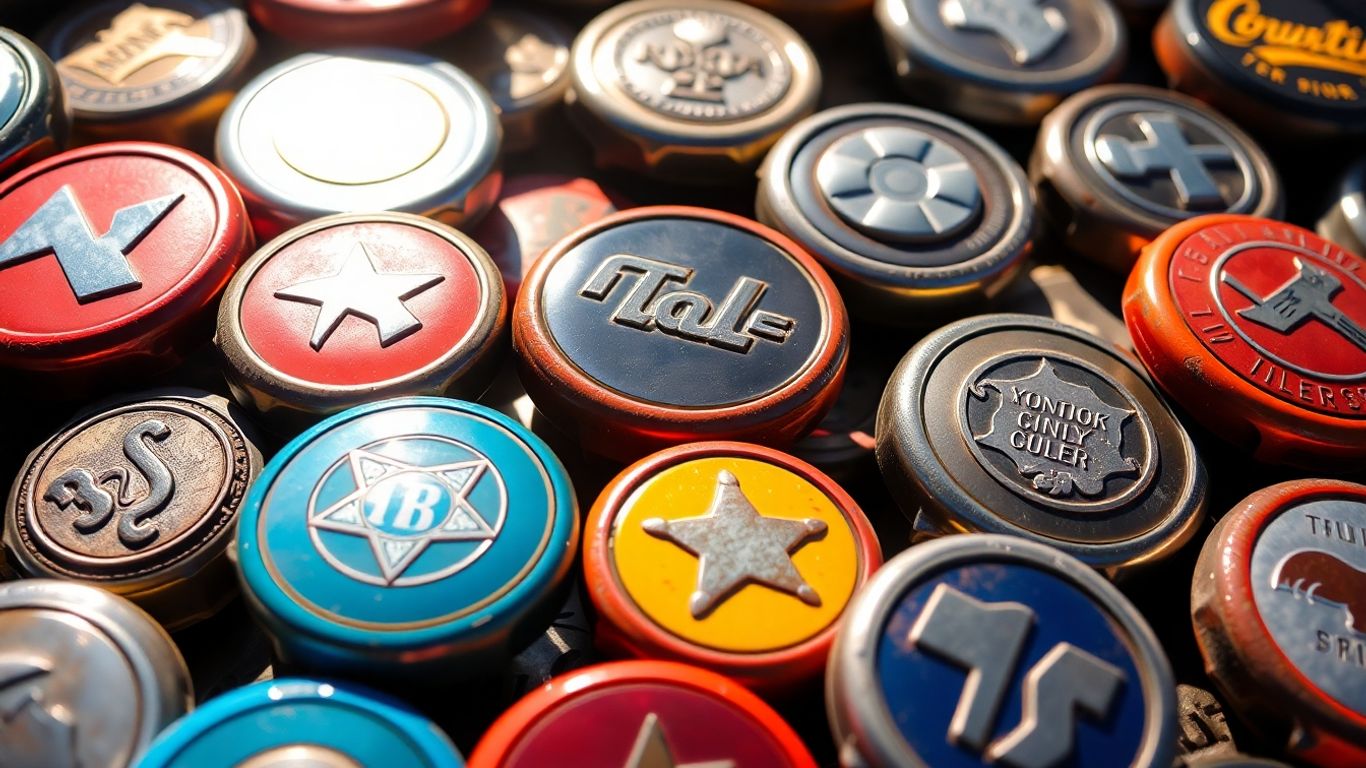
Remember when cars were less about horsepower and more about… well, just getting there? Tire caps, those little plastic or metal doodads, were just part of the scenery back then. You probably never even thought about them, unless one went missing and you had to replace it with whatever your dad had lying around in the garage. But for some folks, these humble bits of rubber and metal are like tiny time capsules.
A Blast from the Past: Brands That Defined an Era
Think about it. That faded, slightly chipped tire cap with the old Ford logo? It’s not just a cap; it’s a portal to cruising down Main Street in your dad’s pickup, windows down, radio blasting. Or maybe it’s that set of dice caps you begged your parents for, convinced they’d make your bike look super cool. These aren't just accessories; they're tangible links to a past that felt simpler, maybe even a little bit cooler. Collecting them is like curating a museum of automotive history, one tiny piece at a time. It’s amazing how a simple car accessory can bring back so many memories.
The Emotional Connection: More Than Just Rubber and Metal
It’s funny how something so small can hold so much sentimental weight. For collectors, finding a rare tire cap isn't just about the monetary value (though we’ll get to that!). It’s about the story it tells. Maybe it’s a cap from a car your grandparents owned, or one that reminds you of a road trip you took as a kid. These aren't just random bits of plastic; they're pieces of personal history.
Here’s what makes a tire cap truly special:
- The Brand: Was it a popular car from your youth? A luxury model you only dreamed of?
- The Era: Does the design scream 70s? 80s? Or even earlier?
- The Condition: Did it survive decades without getting all cracked and faded?
Sharing the Stories: The Community Behind the Collection
What’s really neat is that you’re not alone in this. There are whole communities of people out there who get just as excited about finding a vintage Goodyear cap as you might be about scoring a rare comic book. Online forums, swap meets, even just chatting with fellow collectors at a car show – it’s all part of the fun. You trade stories, share tips on where to find the best treasures, and sometimes, you even trade caps to complete a set. It’s a shared passion that connects people from all walks of life, all brought together by these little pieces of automotive nostalgia.
Beyond the Rubber: The Unexpected Value of Tire Caps
The Art of the Deal: How Much is That Tire Cap Worth?
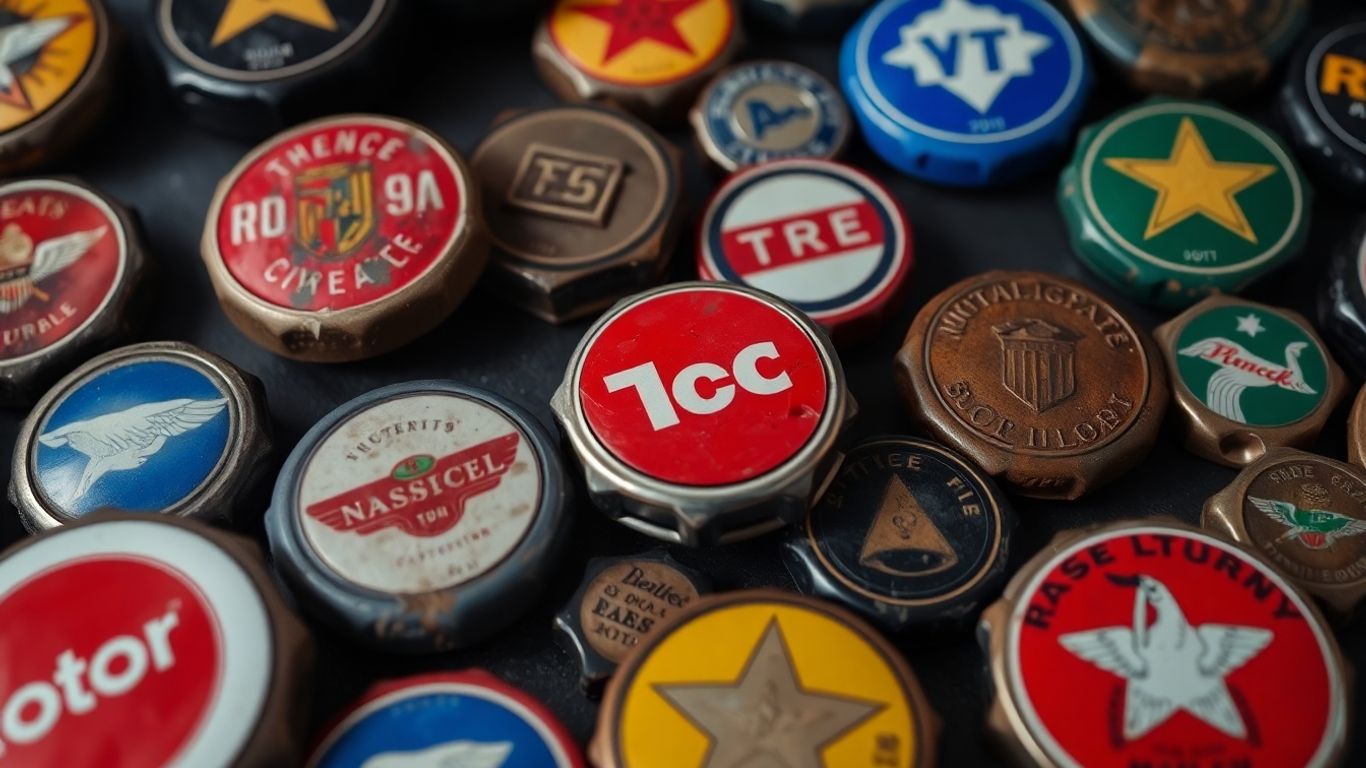
So, you've stumbled upon a dusty box of old tire caps. Maybe they belonged to your grandpa, or perhaps you found them at a flea market, looking like they've seen better decades. You might be wondering, "Are these just junk, or could they actually be worth something?" Well, buckle up, because the world of tire cap collecting can be surprisingly lucrative, and sometimes, downright bizarre. It turns out, these little rubber or plastic doodads can fetch a pretty penny, especially if they're rare or have a cool story.
From Garage Sale Finds to Auction House Stars
Forget those dusty garage sales for a second. While you might snag a handful for pocket change, the real action happens elsewhere. Think online auctions, specialized collector forums, and even the occasional high-end antique show. Some of these seemingly insignificant pieces of rubber have gone on to become stars of the auction circuit. It’s not unheard of for a particularly sought-after cap, maybe from a limited-edition car or a defunct tire company, to spark a bidding war that sends its price soaring.
Here's a peek at what can make a tire cap go from trash to treasure:
- Brand Recognition: Classic brands like Firestone, Goodyear, or Michelin are always popular, but obscure or short-lived brands? Those are the real goldmines.
- Material Matters: Early caps were often made of metal or bakelite, which are generally more collectible than modern plastic ones.
- Unique Designs: Think logos with a twist, special edition graphics, or even caps designed to look like miniature tires. If it's weird and wonderful, collectors will notice.
- Condition, Condition, Condition: A cap that looks like it just rolled off the factory line is worth exponentially more than one that's cracked, faded, or missing its inner seal.
The Future of Tire Cap Collecting: What's Next?
What does the future hold for these tiny treasures? It's hard to say for sure, but one thing is clear: the passion for collecting isn't going anywhere. As older generations pass on their collections, new enthusiasts are stepping up, eager to learn the history and hunt for their own unique finds. We might see more digital integration, with apps helping identify rare caps or online communities connecting buyers and sellers.
The market for tire caps is a quirky corner of the collecting world, driven by nostalgia, rarity, and a dash of pure, unadulterated obsession. It’s a reminder that value isn't always about size or obvious utility; sometimes, it's hidden in the smallest, most overlooked items.
So, next time you see an old tire cap, don't just toss it aside. Give it a second look. You might just be holding a piece of automotive history, and who knows, maybe even your next big payday.
So, What's the Big Deal with Tire Caps?
And there you have it. Who knew that little rubber or plastic doodads, often overlooked and sometimes even lost, could spark such a passionate following? It turns out, these humble tire caps have rolled their way from being mere functional bits to becoming sought-after treasures for collectors. So next time you're changing a tire or just happen to notice one, give it a nod. You might be looking at a tiny piece of automotive history, or at least, something that could make your neighbor incredibly jealous. Happy hunting, and may your tire cap collection be ever-inflated!
Frequently Asked Questions
What exactly is a tire cap and why would anyone collect them?
A tire cap, also called a valve stem cap, is a small cover that goes on top of your tire's valve stem. It keeps dirt and moisture out, which is important for your tires. Believe it or not, people collect them because they can be really unique! They come in all sorts of shapes, colors, and designs, often showing off different brands, logos, or even pop culture themes. It's like collecting tiny pieces of history or art.
How did tire caps go from being just a functional part to something people collect?
It started with their basic job: protecting the valve stem. But then, companies began putting their logos on them, turning them into a small advertisement. Over time, these little caps became more decorative, and car enthusiasts and collectors started noticing the cool designs. It's similar to how people collect old license plates or hubcaps – they represent a certain time or style.
Are some tire caps worth more than others? How do I know if I've found a valuable one?
Yes, definitely! Rarity is a big factor. If a tire cap is from a very old, forgotten brand, or if it was part of a limited edition, it's likely more valuable. The condition matters a lot too; one that's in perfect shape with no scratches or fading is worth much more than a beat-up one. Sometimes, the material they're made of, like chrome or a unique plastic, can also add to their value.
Where can people find old or collectible tire caps?
You might be surprised where these treasures hide! Old gas stations, flea markets, antique shops, and online auction sites are great places to look. Sometimes, people find them tucked away in old toolboxes or even still on very old cars. It's all part of the fun – the thrill of the hunt!
Is there a community of tire cap collectors?
Absolutely! There are many collectors who share a passion for these small items. They often connect online through forums or social media groups, sharing pictures of their finds, trading caps, and swapping stories about where they found them. It's a way to connect with others who appreciate the history and design behind these little collectibles.
What makes a tire cap 'nostalgic'?
Nostalgia comes into play when a tire cap reminds someone of a specific time in their past. Maybe it's a brand their dad or mom used to have on their car, or a design that was popular during their childhood. These caps can bring back memories of simpler times, old road trips, or favorite cars from a bygone era, making them more than just a piece of rubber and metal.


Comments
Post a Comment