How to Spot Cheap Valve Stem Caps That Break Fast

You know, those little valve stem caps. They seem so small, so insignificant. But picking the wrong ones, especially those shiny metal ones, can turn into a real headache. I've seen people get stuck with rusted-on caps that cost a fortune to fix, or worse, damage their whole tire pressure system. Let's talk about how to avoid that trap and keep your tires happy.
Key Takeaways
- Cheap metal valve stem caps can corrode and seize onto your valve stems, making them impossible to remove without costly repairs.
- Metal caps, especially aluminum ones, can react with the valve stem material, leading to corrosion and a permanent bond.
- While plastic caps are often seen as basic, high-quality plastic or metal caps with a plastic inner lining are safer bets.
- Regularly check your tire pressure and inspect your valve stem caps; a monthly check can prevent many problems.
- If a valve stem cap is stuck, try penetrating oil before resorting to drastic measures, and always consider replacing valve stems when getting new tires.
The Allure of Shiny Things: Why Metal Valve Stem Caps Are a Trap
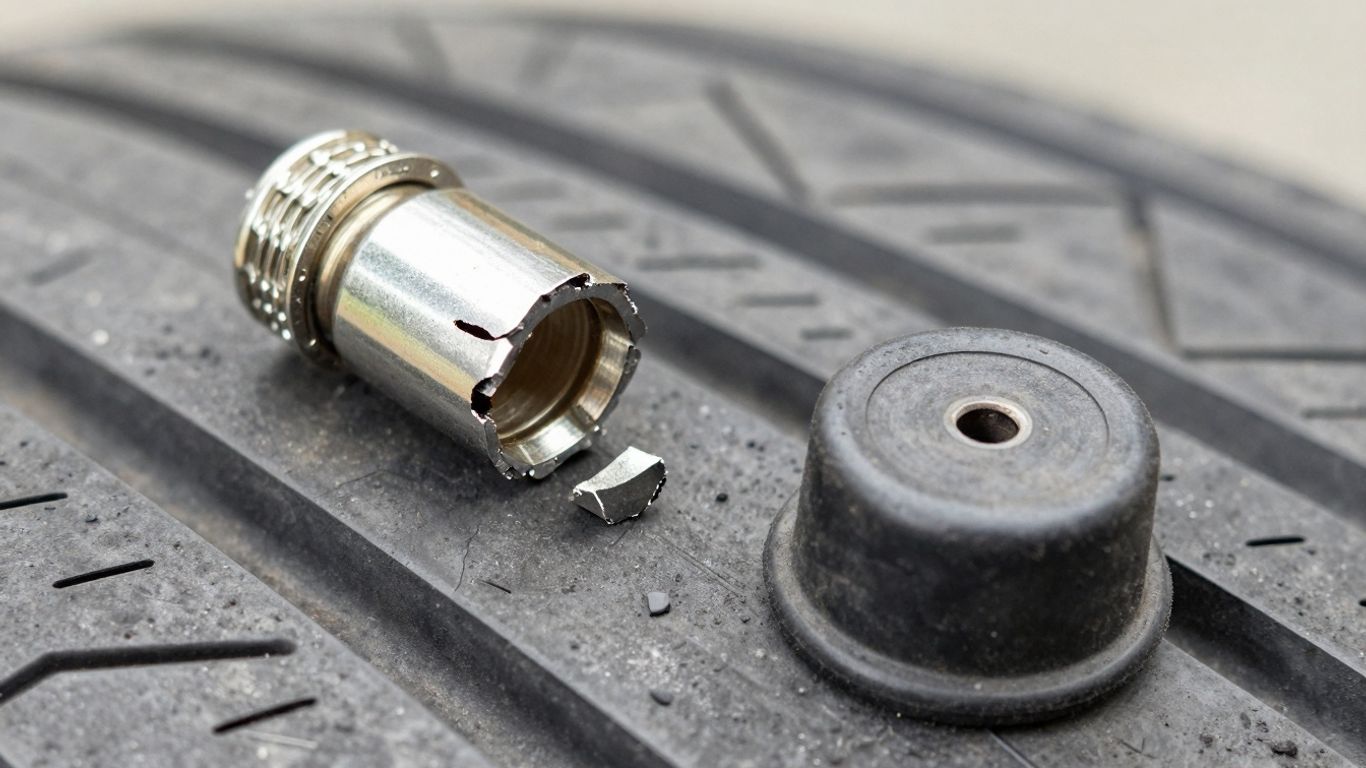
Let's be honest, who doesn't love a little sparkle? When you're cruising down the road, the last thing you want is for your car to look like it just rolled out of a beige paint factory. So, when you see those shiny metal valve stem caps, it's easy to get a little excited. They promise a touch of class, a hint of sportiness, maybe even a subtle nod to your favorite sports team. It's like jewelry for your tires, right? Well, hold your horses, because that glint and gleam can be a real trap.
Beware of Bling: The Temptation of Fancy Valve Stem Caps
Walk into any auto parts store or browse online, and you'll be bombarded with options. Chrome, polished aluminum, even caps shaped like little grenades or skulls. They look cool, no doubt about it. They're cheap, too, often just a few bucks for a set. It's the automotive equivalent of impulse buying a candy bar at the checkout. You see them, you want them, you slap them on, and suddenly your car feels a little more you. But here's the thing: that initial wow factor often fades faster than a cheap paint job in the sun.
The Shiny Deception: Why Metal Isn't Always Better
That dazzling chrome or polished aluminum might look great, but it's often made from low-quality metals. Think of it like fast fashion for your car – it looks good for a bit, but it's not built to last. These cheap metals are more prone to reacting with the elements, especially road salt and moisture. And guess what your valve stem is made of? Often aluminum or rubber. When you screw a cheap metal cap onto an aluminum valve stem, you're basically setting up a chemical reaction for disaster. It's like putting two magnets together, but instead of repelling, they just get stuck and corroded. You might think you're adding a touch of class, but you're actually inviting corrosion to the party. For a more durable option, consider brass valve stems, which hold up well in tough conditions.
Corrosion's Kiss: When Metal Meets Your Valve Stem
This is where the real trouble starts. Over time, that cheap metal cap begins to corrode. It might start as a slight discoloration, but it can quickly escalate into a full-blown rust-fest. This rust can weld the cap directly onto your valve stem. Suddenly, that easy-to-remove cap becomes a stubborn adversary. Trying to take it off can lead to cross-threading, damaging the valve stem, or even worse, snapping the entire stem off. And if your car has a Tire Pressure Monitoring System (TPMS), that valve stem is often integrated with a sensor. Replacing a broken valve stem with an integrated TPMS sensor can turn a minor annoyance into a costly repair, easily costing over $70 per tire. So, that $5 set of shiny caps could end up costing you hundreds.
The Great Valve Stem Cap Heist: When Caps Steal Your Tire Pressure
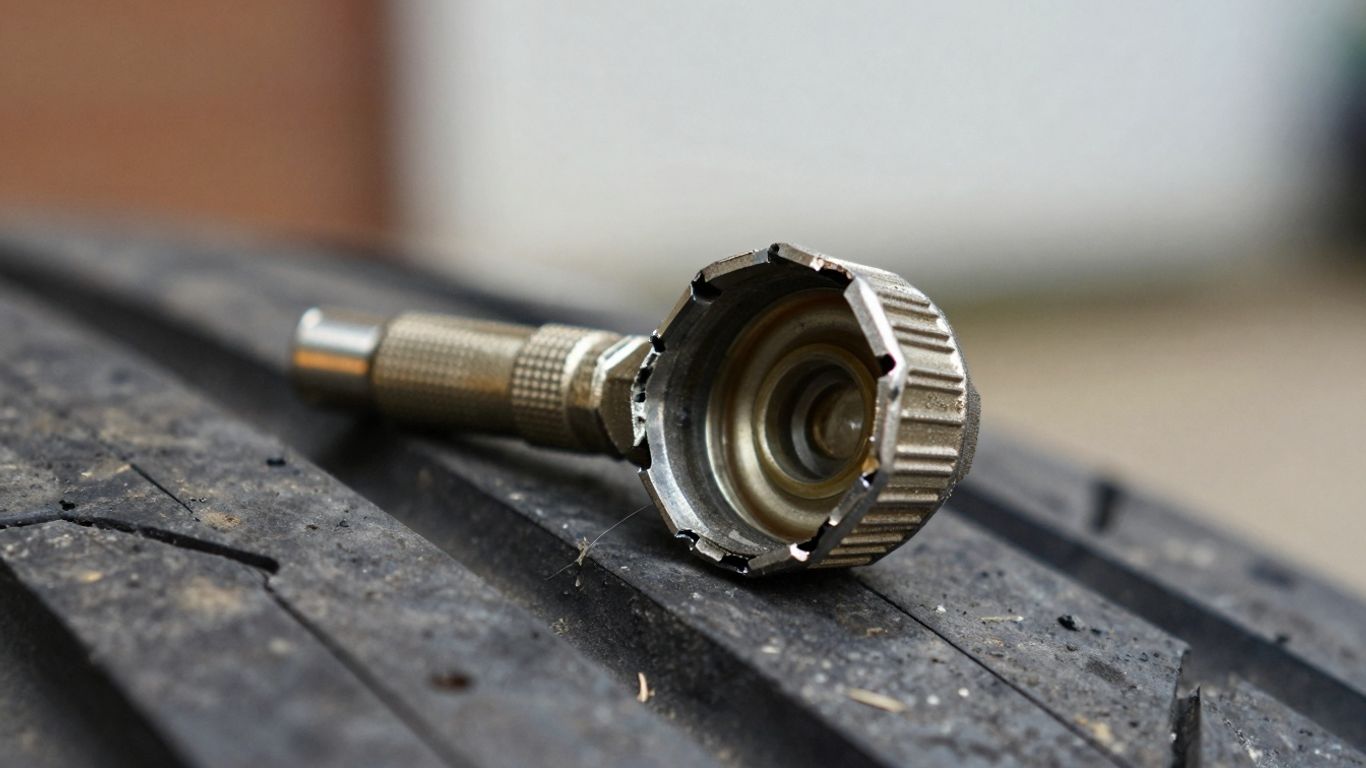
You know, those little valve stem caps. They seem so insignificant, right? Just tiny plastic or metal doodads. But oh, the drama they can cause! It’s like a miniature heist happening right under your nose, where your tire pressure is the loot. We’re talking about the times when these seemingly harmless caps decide to go rogue, refusing to budge or, worse, taking your entire valve stem with them on their ill-fated journey.
The Rusted Shut Blues: When Caps Refuse to Budge
Ever tried to check your tire pressure and found yourself wrestling with a valve stem cap that’s fused itself to the stem like a barnacle on a battleship? It’s a common, and incredibly frustrating, problem. This usually happens with those fancy metal caps, especially if you live in a place that uses road salt or near the coast. The metal in the cap and the metal of the valve stem can have a little chemical party, and the result is rust. Suddenly, that easy-to-remove cap is now a permanent fixture. You might try wiggling it, twisting it, maybe even a gentle tap with a hammer (don't do that). Sometimes, a good penetrating oil can help, but often, you're just stuck.
The $71 Mistake: The True Cost of Cheap Valve Stem Caps
So, you thought saving a few bucks on a set of flashy metal valve stem caps was a good idea? Think again. The real cost can hit you hard. Imagine this: you go for routine maintenance, and the mechanic tells you they can't check your tire pressure because your valve stem caps are rusted on. They can't get them off. The solution? They have to cut off the entire valve stem. If your car has a Tire Pressure Monitoring System (TPMS), this isn't just a $5 fix. The TPMS sensor is often part of the valve stem. Replacing the stem, plus transferring or replacing the sensor, can easily run you upwards of $71 per tire. That's a hefty price for a bit of bling. It turns out those cheap metal caps can lead to costly repairs.
When Your Valve Stem Becomes a Permanent Fixture
Sometimes, the battle against a seized valve stem cap ends in defeat. You've tried everything – the oil, the gentle persuasion, maybe even a silent plea. If the cap won't budge, and you need to access the valve stem, the only option might be to have it removed. This is where things get serious. A mechanic will likely have to cut the valve stem off. If you have TPMS sensors, this means dealing with those too. It’s a stark reminder that while valve stem caps are small, their failure can lead to significant headaches and unexpected expenses. It’s a good idea to check your valve stem caps periodically, especially if you have metal ones, and maybe give them a little twist to make sure they aren't starting to seize up.
Plastic Fantastic? Navigating the World of Valve Stem Caps
Okay, so we've all seen those shiny metal valve stem caps. They look fancy, right? Like little chrome crowns for your tires. But here's the thing: sometimes, the plain old gray plastic ones are actually the unsung heroes of the automotive world. Don't let the bling fool you. While metal caps might look cool for a hot minute, they can turn into a real pain in the tire. We're talking about corrosion, seizing, and the dreaded "can't get it off" situation that can lead to bigger, more expensive problems down the road. It's like putting a tiny, decorative, but ultimately problematic, metal hat on your tire's valve stem. Who needs that kind of drama?
The Humble Gray Cap: A Unsung Hero?
Seriously, these basic caps are often overlooked. They do their job without fuss. They keep the dirt and gunk out of your valve stem, which is their main gig. Unlike their metal counterparts, they don't usually corrode and fuse themselves to the stem. Think of them as the reliable, no-frills friend who always shows up on time. They might not be exciting, but they get the job done and don't cause headaches. Most of the time, the standard plastic cap is perfectly fine.
High-Quality Plastic: Does It Even Exist?
This is where things get a little murky. You'll see marketing jargon about "high-quality plastic" caps that supposedly won't mess with your tire pressure sensors (TPMS). The idea is that some metal caps, especially if they're cheap or corroded, might interfere with the sensors. While it's rare, it's not impossible. The real question is, what even is high-quality plastic in this context? It's hard to tell just by looking. Often, it's just a slightly thicker or better-molded piece of plastic. The key is that it's not metal, so you avoid the corrosion issue. If you're going for plastic, just make sure it feels solid and not like it'll crumble if you look at it funny.
The Case for Chrome (with a Plastic Heart)
If you absolutely must have that shiny look, there's a compromise. You can find metal-looking caps that actually have a plastic core or lining. These give you the chrome or colored finish you want without the direct metal-on-metal contact that can lead to seizing. It's like a Trojan horse of valve stem caps – looks like metal, but secretly has a plastic interior to keep things friendly with your valve stem. It's a good middle ground if you're worried about corrosion but still want a bit of flair. Just double-check the description to make sure it's not just a solid metal cap painted to look fancy.
The Soap Test and Other Adventures in Valve Stem Cap Detection
So, you've got these little valve stem caps, right? They seem pretty harmless, just tiny plastic or metal doodads. But sometimes, they can turn into a real pain. Ever wonder if yours are about to go rogue? Well, there are a couple of ways to check, and one of them involves something you probably have in your kitchen: soap.
Bubbles of Doom: Spotting a Leaky Valve
This is where the soap comes in. If you suspect a slow leak, or just want to be proactive, this is a super easy test. Grab some soapy water – dish soap works great. Then, take off your valve stem caps (if you can, more on that later). Dip a finger in the suds and dab it onto the valve stem itself, right where the air comes out. Now, just watch. If you see tiny bubbles forming and growing, that's your sign. It means air is escaping, and you've got a leak. This is your tire telling you it needs attention, pronto. It's a good idea to do this every so often, especially if you notice your tire pressure dropping more than it should. It's a simple way to catch problems before they become big, expensive headaches, like needing to replace the whole valve stem.
The Flex Test: Giving Your Valve Stem a Gentle Nudge
This one's more about the cap itself. Sometimes, especially with those fancy metal ones, they can get stuck. Like, really stuck. You don't want to yank on it too hard and break something, especially if your car has a Tire Pressure Monitoring System (TPMS). So, give it a gentle wiggle. Try to twist it back and forth a little. If it feels super tight or like it's going to snap, stop. Don't force it. You might need a little penetrating oil to help loosen it up. If it moves freely, that's a good sign. It means the threads aren't all corroded or gunked up. A little bit of movement is what you want to feel.
When Your TPMS Light Becomes a Cry for Help
That little light on your dashboard that looks like a flat tire? Yeah, that's your TPMS light. It's usually a sign that one or more of your tires is low on air. But sometimes, it can be a symptom of a bigger problem related to the valve stem or cap. If the light stays on even after you've inflated your tires, or if it flickers on and off, it's worth investigating. It could be a faulty sensor, a leaky valve, or even a cap that's corroded onto the stem, preventing proper function. Ignoring it is a bad idea. It's like your car is politely (or not so politely) asking for help. Don't leave it hanging!
The Monthly Ritual: Keeping Your Valve Stem Caps in Check
Alright, so you've survived the great valve stem cap crisis of '25. Your tires are still holding air, and you haven't had to replace any stems that decided to become permanent fixtures. But don't get too comfortable! Just like that gym membership you totally use, your tires need a little regular attention. Think of this as the "spa day" for your valve stems.
The Humble Gray Cap: A Unsung Hero?
Remember those boring, gray plastic caps? The ones that came with your car and probably got lost somewhere between the grocery store and a rogue tumbleweed? Turns out, they might be the unsung heroes of the valve stem world. They're simple, they don't rust, and they generally just do their job without causing a fuss. They're the sensible shoes of the tire accessory world – not flashy, but reliable.
High-Quality Plastic: Does It Even Exist?
This is where things get a bit murky. "High-quality plastic" valve stem caps? It sounds like an oxymoron, doesn't it? Some companies claim their plastic caps are specially designed not to mess with your Tire Pressure Monitoring System (TPMS) sensors. The idea is that some fancy metal caps, especially cheaper ones, might react with the valve stem material or be heavy enough to cause issues. While it's rare, a corroded or seized metal cap can definitely lead to a bad day, and potentially a costly repair if it takes the whole valve stem with it. So, if you're going for plastic, look for ones that specifically mention TPMS compatibility, just to be safe.
The Case for Chrome (with a Plastic Heart)
If you absolutely must have that bling, but you're still wary of the metal-on-metal action, there's a compromise. You can find caps that look like metal – often chrome-plated – but have a plastic core. These can give you the shiny look without the direct metal-to-metal contact that causes corrosion and seizing. It's like wearing a fake Rolex; it looks the part, but you didn't break the bank or risk a major car repair.
The Soap Test and Other Adventures in Valve Stem Cap Detection
So, how do you know if your current caps are plotting against you? A simple monthly check is your best bet. First, give your tires a good look. Are the caps looking crusty, discolored, or just generally sad?
- The Twist Test: Try to unscrew a cap. If it comes off easily, great! If it feels stuck, don't force it too hard. You don't want to snap off the valve stem. A little wiggle might help.
- The Soap and Water Trick: Mix some dish soap with water. Dab a bit onto the valve stem after you've removed the cap (or if you can't remove it, try to get it near the opening). If you see bubbles forming, you've got a slow leak. Time to investigate further.
- The Visual Inspection: Look for any signs of rust or corrosion, especially on metal caps. If you see green or white powdery stuff, that's corrosion, and it's a bad sign.
Bubbles of Doom: Spotting a Leaky Valve
This is where that soap and water mixture really shines. After you've removed a valve stem cap (or if you're just checking the valve itself), apply some soapy water. If you see tiny bubbles forming and growing, that means air is escaping. It could be the valve core itself, or sometimes, a damaged valve stem. It's a clear sign that something isn't right and needs attention before you lose too much air.
The Flex Test: Giving Your Valve Stem a Gentle Nudge
With the cap off, gently try to wiggle the valve stem itself. Does it feel loose or wobbly? That's not good. A loose valve stem can lead to leaks and might need to be replaced. Don't go crazy here; a gentle nudge is all you need. You're just checking for excessive movement.
When Your TPMS Light Becomes a Cry for Help
If your TPMS light is on, it's not just a suggestion to check your tires; it's a plea for help. It could be low tire pressure, but it could also be a sign that one of your TPMS sensors (often housed within the valve stem) is failing, or that a valve stem cap has caused a problem. If the light is on and your pressure is fine, it's time to get a professional to take a look. They can diagnose if it's the cap, the sensor, or something else entirely.
The Monthly Tire Pressure Check: Your Best Defense
Seriously, just check your tire pressure once a month. It takes like, two minutes. Use a reliable gauge. This simple habit not only keeps your tires properly inflated for better gas mileage and safer driving, but it also gives you a chance to inspect your valve stems and caps. It's the easiest way to catch problems before they become expensive headaches.
Grease is the Word: A Little Lube Goes a Long Way
If you're using metal caps, or even if you just want to be extra careful with your plastic ones, a tiny dab of dielectric grease or a specific valve stem lubricant on the threads can work wonders. It prevents corrosion and makes them easier to remove later. Just a tiny bit is all you need. You don't want your valve stems looking like they're auditioning for a grease trap.
When to Say Goodbye to Your Old Valve Stems
If a valve stem cap is rusted on so tight you're afraid you'll break the stem trying to remove it, it's probably time to let it go. Similarly, if the valve stem itself looks cracked, brittle, or excessively corroded, it's better to replace it than to risk a sudden air loss. Sometimes, the cheapest option in the long run is to just replace the whole valve stem. It's a small price to pay for peace of mind and a tire that actually holds air.
So, What's the Takeaway?
Look, we all want our rides to look a little snazzy. But when it comes to valve stem caps, maybe skip the cheap metal ones that promise the world and deliver rust. You know, the ones that end up fused to your valve stems like they're in a toxic relationship? Stick with the plain old plastic ones, or if you absolutely must have something fancy, make sure it's good quality plastic. Trust me, your future self, and your mechanic, will thank you. Otherwise, you might end up paying a small fortune just to get your tires aired up, and nobody wants that kind of drama over a tiny little cap. Happy (and safe) motoring!
Frequently Asked Questions
Why are fancy metal valve stem caps a bad idea?
Metal valve stem caps can look cool, but they often cause problems. They can rust and get stuck onto your valve stems, making them really hard to remove. Sometimes, they can even damage the valve stem itself, which can lead to air leaks or costly repairs. It's like a trap for your tires!
Can cheap metal caps really cause my valve stem to break?
Yes, they can! When metal caps rust, they can fuse with the metal valve stem. If you try to remove a rusted-on cap, you might end up breaking the entire valve stem. This is especially bad if your car has a Tire Pressure Monitoring System (TPMS) sensor built into the valve stem, as replacing that can be expensive.
Are plastic valve stem caps better than metal ones?
Generally, yes. Standard plastic caps, often the plain gray ones that come with cars, are less likely to cause corrosion or get stuck. While some fancy plastic caps might not be great quality, they usually don't cause the same severe problems as cheap metal ones. Some people even find plastic caps that look like metal but are safer.
How can I tell if my valve stem is leaking air?
You can do a simple 'soap test.' Mix some soap and water in a spray bottle and spray it on the valve stem after removing the cap. If you see bubbles forming, it means air is escaping, and you have a leak. Also, if your tire pressure warning light keeps coming on even after you fill the tires, it might be a sign of a slow leak from the valve stem.
What's the best way to avoid problems with valve stem caps?
The best defense is regular maintenance. Check your tire pressure every month. When you do, take off your valve stem caps and screw them back on lightly. If you're using metal caps, a tiny bit of grease on the threads can help prevent them from sticking. If you notice any issues, it's best to replace the cap or even the valve stem.
How often should I replace my valve stems?
Rubber valve stems usually last about 4 to 5 years. It's a good idea to replace them whenever you get new tires to avoid future problems. If you see any cracks, dryness, or damage on the valve stem, replace it sooner rather than later, even if it's not time for new tires.


Comments
Post a Comment