How Valve Stem Caps Prevent Annoying Air Leaks
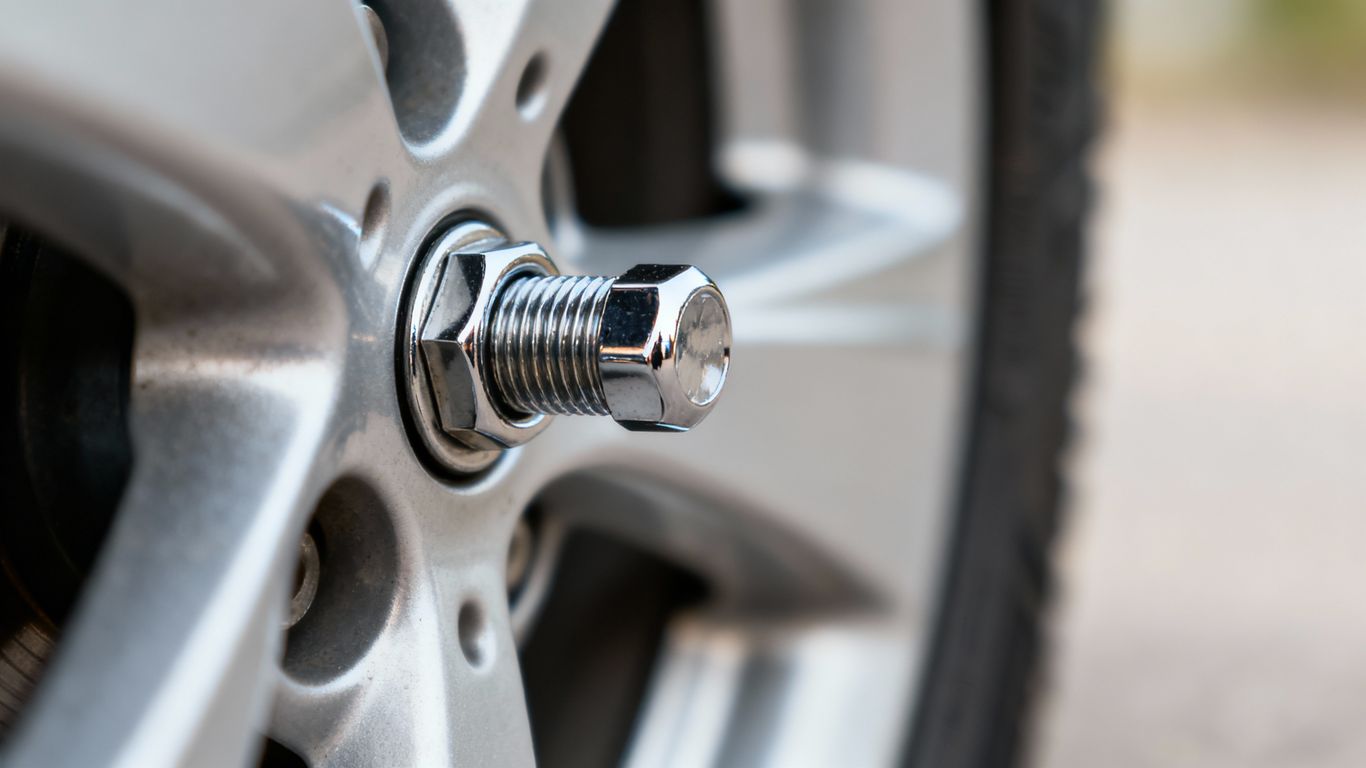
You know, sometimes the simplest things are the most important. Like those little plastic caps on your tire valves. They seem so insignificant, right? But let me tell you, these tiny valve stem caps are actually doing a pretty big job keeping your tires properly inflated. If you've ever wondered why your tire pressure seems to drop faster than it should, or if you've dealt with those annoying slow leaks, these little guys might just be the unsung heroes – or the missing link – in keeping your ride smooth and safe. Let's talk about why these valve stem caps matter more than you might think.
Key Takeaways
- Valve stem caps are small but important parts that help prevent air leaks in your tires.
- They act as a barrier, keeping dirt and moisture out of the valve stem, which can cause problems.
- If you hear or see air escaping from your valve stem, or if it bubbles with soapy water, it might be leaking.
- Common reasons for valve stem leaks include age, wear and tear, damage, or even over-tightening.
- Replacing a valve core or cleaning a stem are often simple fixes, and always remember to put your valve stem caps back on.
The Humble Valve Stem Cap: Your Tire's Tiny Guardian
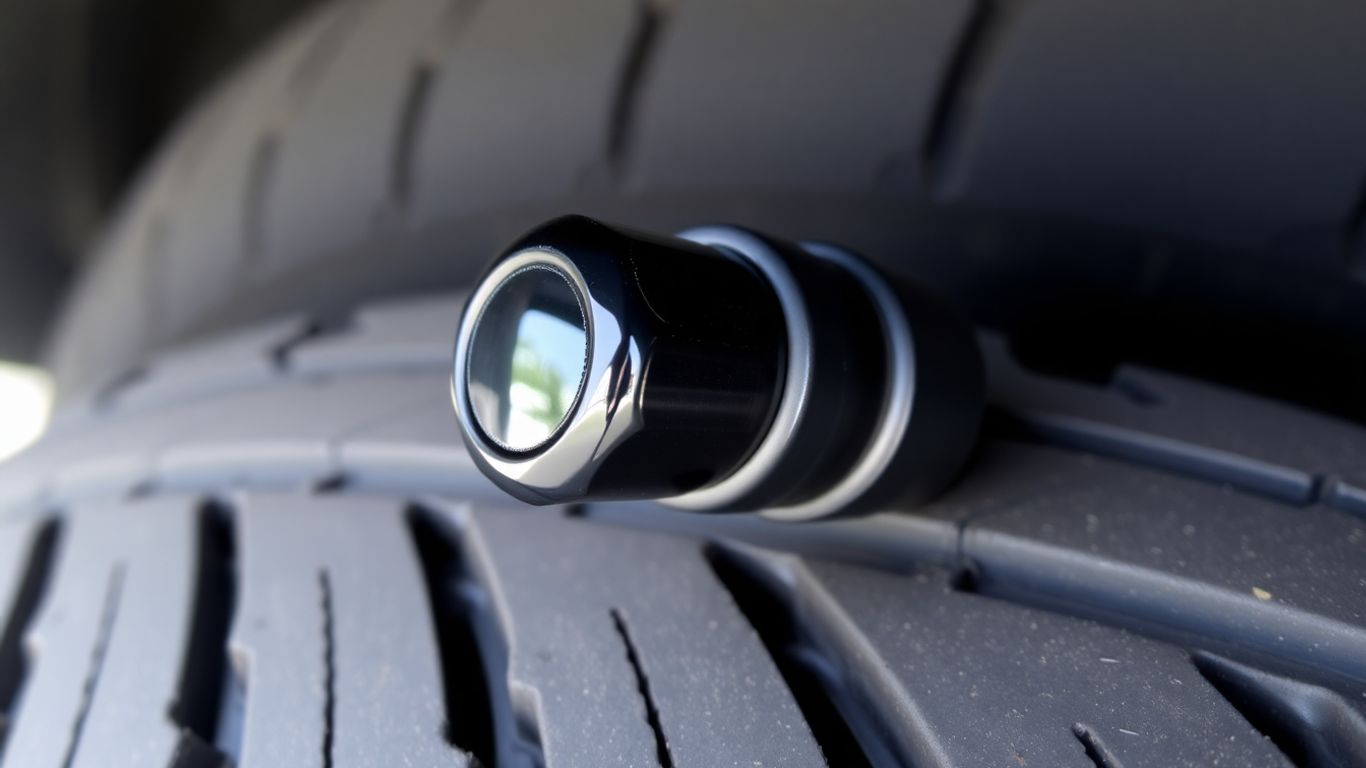
Okay, let's talk about the unsung hero of your tires: the valve stem cap. You know, that little plastic or metal doodad you probably haven't thought about since you last put air in your tires? It might seem like just a tiny piece of plastic, but this little guy is actually doing some pretty important work. Think of it as the bouncer at the club for your tire's air supply. It's there to keep the riff-raff out and the good stuff (air!) in. Without it, your tire's valve stem is basically an open invitation for all sorts of gunk and grime to come party where it shouldn't be.
Why Your Tire Needs Its Little Hat
Your tire's valve stem is essentially the gateway for air. It's a small, rubber or metal tube that sticks out from your wheel, and it's where you connect that air pump or gauge. But this gateway isn't exactly a fortress on its own. It has a tiny valve core inside that does the actual sealing, but that core can get clogged or damaged if it's exposed to the elements. That's where the cap comes in. It's the first line of defense, a simple but effective way to keep dirt, dust, sand, and even little bits of gravel from making a home inside your valve stem. Imagine trying to drink through a straw that's been stuffed with sand – not ideal, right? The same principle applies here. Keeping that valve stem clean is key to preventing slow leaks and ensuring your tire stays properly inflated. It's a small step, but it makes a big difference in maintaining your tire air pressure.
The Cap's Crucial Role in Tire Health
Beyond just keeping dirt out, that little cap also offers protection against moisture. Think about driving through puddles or washing your car. Water can get into the valve stem, and if it sits there, it can start to cause corrosion. This corrosion can mess with the valve core, making it sticky or less effective, which, you guessed it, can lead to air loss. The cap acts like a tiny umbrella, shielding the valve from unnecessary moisture. It's also surprisingly good at preventing direct damage. If you accidentally bump your wheel against a curb or something similar, the cap can absorb some of that impact, potentially saving the more delicate valve stem from damage. It's like wearing a helmet – not always necessary, but a good idea when you're out there on the road.
Don't Let Your Valve Stem Go Nude
Seriously, it's just embarrassing for the valve stem. Leaving it bare is like going to a formal event in your pajamas. It's just not right. The consequences aren't usually catastrophic, but they can be annoying. A missing cap might mean you'll eventually have to deal with a leaky valve stem, which could be caused by dirt getting in or corrosion setting up shop. Replacing a valve stem isn't the hardest job in the world, but why invite the trouble? It's way easier to just keep those caps on. They're cheap, they're easy to find, and they do a surprisingly good job of keeping your tires happy and full of air. So, next time you check your tire pressure, give those little caps a nod of appreciation. They're working hard for you, even if you don't notice.
Diagnosing the Dreaded Air Leak: It Might Be Simpler Than You Think
So, you've noticed one of your tires is looking a bit sad and deflated, like it just heard the news that donuts are out of season. Before you start picturing a dramatic tire explosion or a costly trip to the mechanic, let's take a breath. Sometimes, the culprit behind your tire's sudden case of the blues is surprisingly small and, dare I say, a little bit silly. It might just be your valve stem throwing a tantrum.
The Soapy Water Trick: Your Leak-Finding Sidekick
This is the classic, the OG, the method your grandpa probably used when his Model T started looking a bit flat. It's simple, effective, and involves stuff you likely already have in your kitchen. Grab a spray bottle, mix some dish soap with water (about 20% soap, 80% water – no need to be exact, it's not a science experiment... yet), and give your valve stem a good spritz. If you see bubbles forming, congratulations! You've found your leak. It's like a tiny, soapy confession from your tire.
Listen Up! Can You Hear the Air Escaping?
Sometimes, a leak is loud enough to announce itself. If you've removed the valve cap and you can actually hear a hissing sound, or even feel a puff of air against your hand, then your valve stem is probably not playing nice. It's like the tire is trying to whisper secrets, but it's just too loud about it.
Is Your Valve Stem Just Feeling a Bit Loose?
Okay, this one's pretty straightforward. Sometimes, the valve stem itself just gets a little wobbly. If it feels loose when you try to wiggle it (gently, please!), that's a pretty good sign it's not sealing properly. Think of it like a loose tooth – it's not going to hold on for long.
Here's a quick rundown of what to look for:
- The Hiss: Can you hear air escaping?
- The Bubble: Does soapy water create a bubbly show?
- The Wobble: Does the valve stem feel loose?
Remember, a slow leak from a valve stem is super common. Age, weather, and just plain old use can make them a bit grumpy. Don't panic; often, it's a quick fix.
When Valve Stems Get Grumpy and Start Leaking
So, you've noticed your tire pressure isn't quite what it used to be, even after you just aired it up. Before you start picturing a nail lodged in your tire like a tiny, unwelcome guest, let's talk about the valve stem. This little guy, often overlooked, can get a bit cantankerous and decide to spring a leak. It's not always a dramatic blowout; sometimes, it's just a slow hiss that you might not even notice until your tire looks a bit sad.
The Age-Old Problem: Wear and Tear on Valve Stems
Think of your valve stems like anything else that gets used regularly. They're constantly exposed to the elements, road gunk, and the general hustle and bustle of being on a car. Over time, this can take its toll. The rubber can get brittle, especially if it's seen a few harsh winters. This wear and tear is a super common reason for those slow leaks. It's not that the stem is suddenly evil; it's just gotten old and tired. You might notice cracks or a general stiffness in the rubber if you look closely.
When Mother Nature Attacks Your Valve Stems
Mother Nature can be a real pain, can't she? Extreme temperatures, UV rays from the sun, and even road salt in the winter can really do a number on valve stems. Cheap plastic caps, for instance, can become brittle and crack under freezing conditions, letting all sorts of nasties into the valve. Upgrading to more robust caps, like those made from aluminum alloy, can offer better defense against these environmental assaults. It’s like giving your valve stem a little suit of armor against the weather.
The Perils of Over-Tightening: A Valve Stem's Nightmare
Here's a funny one: sometimes, we're the cause of our own problems. When people try to make sure their valve stem caps are super secure, they can sometimes over-tighten them. This might seem like a good idea, but it can actually damage the valve stem itself or the threads. It's a bit like trying to screw a lid on too tight – you risk stripping the threads or cracking the plastic. The goal is snug, not Herculean strength. If you're unsure, just remember that a gentle twist is usually all that's needed. A valve core tool can help you check and tighten things properly without going overboard.
Leaky valve stems are surprisingly common. Things like age, exposure to the weather, and just regular use can all lead to them starting to lose air. It's not usually a big, scary problem, but it's definitely something you'll want to address before it causes more trouble.
The Mighty Valve Stem Cap: A Shield Against the Elements
So, you've got these little plastic or metal doodads on your tires, right? The valve stem caps. They might seem like just some cheap add-on, maybe even something you'd lose and never bother replacing. But honestly, these tiny things are doing a lot more work than you'd think. They're like the bouncers at the club for your tire's air supply.
Keeping the Gunk Out: A Cap's Primary Mission
Think about where your tires go. They roll through dirt, mud, dust, and all sorts of road grime. All that stuff wants to get into your valve stem. If it does, it can gum up the works, literally. This gunk can mess with the valve core, making it stick open or closed, or just generally preventing it from sealing properly. And what happens when the seal isn't right? Yep, air starts making a break for it. The cap's main job is to create a barrier, keeping the crud out so your valve stem can do its job without getting clogged. It's a simple concept, but super effective. Without a cap, your valve stem is basically an open invitation for trouble.
Moisture's Menace: How Caps Offer Protection
Water is another sneaky enemy. Rain, puddles, car washes – they all introduce moisture. If that moisture gets into the valve stem, it can start to cause corrosion. Over time, this corrosion can weaken the metal parts, making them more prone to leaks or even breaking off entirely. Some valve caps are made from materials like carbon fiber valve caps that offer a good seal against moisture. They act like a little umbrella, keeping the dampness away from the sensitive valve core and threads. It’s like giving your valve stem a tiny raincoat.
Direct Damage Defense: The Cap as a Bouncer
Sometimes, it's not just dirt or water. You might accidentally bump the valve stem against something, or a small pebble could kick up and hit it just right. These little impacts, while seemingly minor, can damage the delicate valve core. The cap provides a bit of a buffer. It's not going to stop a determined rock from causing damage, but for everyday bumps and scrapes, it offers a surprising amount of protection. It's the first line of defense against minor physical trauma.
Here's a quick rundown of what those little caps are up against:
- Dirt and Debris: The most common invader, trying to clog the works.
- Moisture: Leading to rust and corrosion over time.
- Small Impacts: Accidental bumps or road debris.
- Dust: Fine particles that can get everywhere.
Honestly, it's wild how much these tiny caps do. They're cheap, easy to replace, and yet they play a pretty big role in keeping your tires properly inflated. It's one of those things you don't think about until it's gone, and then you're wondering why your tire keeps going flat.
Beyond the Cap: Other Sneaky Air Thieves
So, you've checked your valve stem caps, and they seem to be doing their job. But wait, is that tire still looking a little sad? Don't blame the cap just yet! There are other sneaky characters out there trying to rob your tires of precious air. It's like a tire conspiracy, and the caps are just the first line of defense.
Potholes and Punctures: The Road's Rough Revenge
Let's face it, roads aren't always smooth sailing. A rogue nail, a sharp piece of glass, or even a particularly aggressive pothole can decide your tire is the perfect place to leave its mark. A tiny puncture might not seem like a big deal at first, but it can slowly let air out, turning your perfectly inflated tire into a sad, saggy mess over time. It’s like a tiny, persistent leak that just won’t quit. You might not even notice it until your tire pressure warning light starts flashing like a disco ball.
When the Tire Meets the Rim: Bead Leaks Explained
Ever heard of a tire bead? It's that part where your tire hugs the wheel rim, creating a super-tight seal. Think of it as the tire's handshake with the wheel. If that handshake gets compromised – maybe from some gunk stuck between them, or if the rim itself has seen better days and is a bit corroded – air can start to sneak out. It’s a slow leak, but it’s definitely happening, and it’s all about that seal.
The Slow Decay of Dry Rot
Tires, bless their rubbery hearts, don't live forever. Exposure to the sun, heat, and just plain old time can make the rubber brittle and crackly. This condition is called dry rot. It’s like your tire is getting old and grumpy, and it starts to develop tiny fissures that let air escape. It’s a slow, insidious process, and it’s a good reminder to check the age of your tires, not just their tread depth. You can find some great info on tire maintenance and understanding tire age to help prevent this.
Here's a quick rundown of other air-stealing culprits:
- Valve Extenders: While sometimes necessary, these can be a source of leaks, especially at the crimped joints or if they work loose.
- Improper Tire Mounting: If the tire isn't seated correctly on the rim, it can lead to bead leaks.
- Temperature Fluctuations: Believe it or not, changes in temperature can cause tire pressure to drop, making it seem like you have a leak when you don't.
Sometimes, the simplest explanation is the right one. Before you start tearing your hair out, double-check the obvious culprits. A quick spray of soapy water can reveal a lot about where your air is going.
Don't forget to check your valve extenders if you use them. They can be a real pain if they start to leak, and sometimes finding a good set is a challenge in itself.
Fixing the Leak: It's Not Rocket Science (Usually)
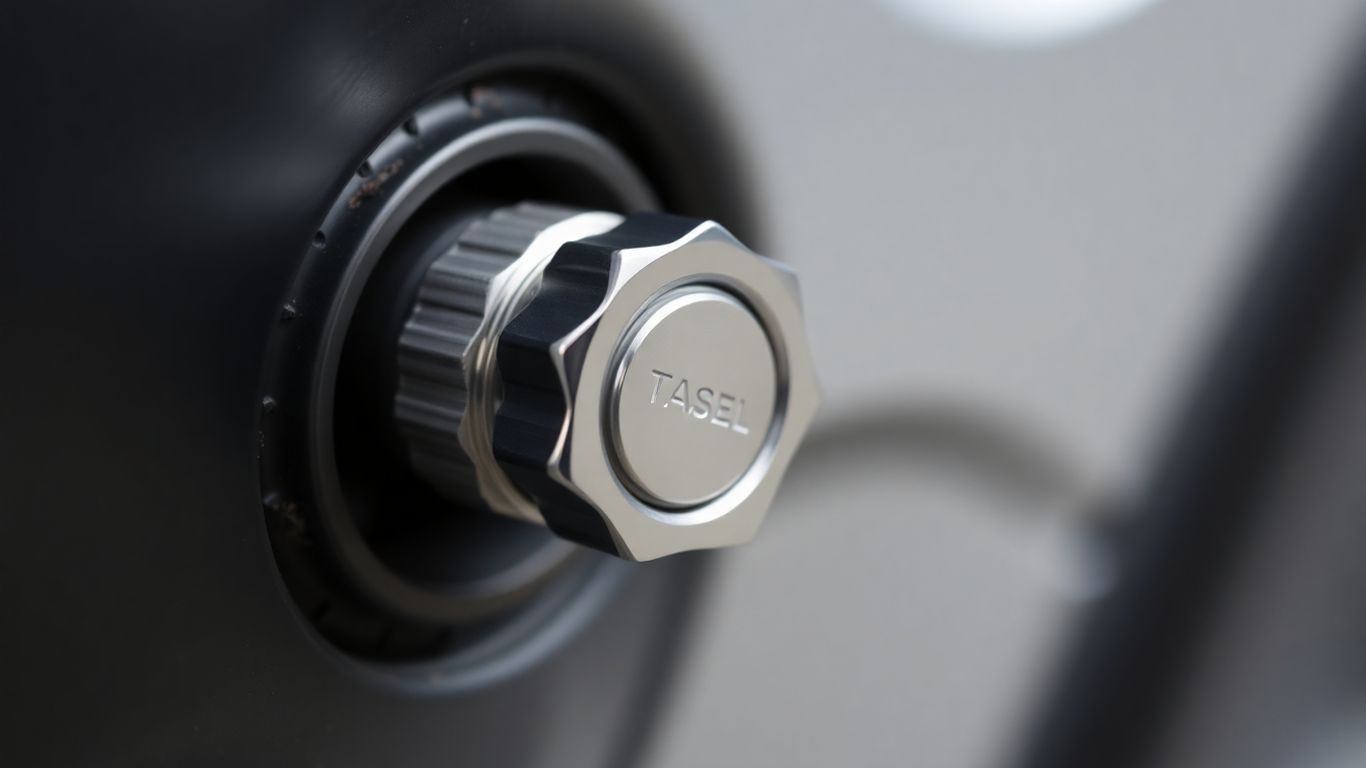
So, you've figured out that your tire is doing a slow impression of a leaky balloon, and you suspect the valve stem is the culprit. Don't panic! Fixing this is usually way less complicated than assembling IKEA furniture. Most of the time, the issue is with the valve core – that little doodad inside the stem that actually holds the air in. Think of it as the bouncer at the tire's nightclub. If the bouncer is tired or grumpy, nobody gets in (or out, in this case).
The Valve Core Caper: A Simple Swap
This is where things get exciting, or at least, mildly interesting. You'll need a valve core tool, which is a surprisingly handy little gadget. It's like a multi-tool for your tires. You can grab one online or at most auto parts stores. Replacing a valve core is a quick fix that can save you a lot of hassle.
Here's the lowdown:
- Get Ready: Make sure you have your new valve core and the tool. It's a good idea to have a way to reinflate your tire handy, just in case. You don't want to end up with a flat tire after trying to fix a slow leak!
- Unscrew the Old: With the valve cap off, use the valve core tool to unscrew the old core. It usually just spins out. Be prepared for a little hiss as any remaining air escapes. Don't be alarmed if it shoots out; just try to catch it.
- Screw in the New: Pop in the new valve core and screw it in with the tool until it's snug. Don't go crazy with the tightening; you don't want to strip the threads. Snug is good.
- Check Your Work: Add some air back into the tire. Then, spray the valve stem with some soapy water. If you see bubbles, you've still got a leak. If not, hooray! You're a tire whisperer.
Cleaning Up Your Act: Tackling Valve Stem Corrosion
Sometimes, the valve stem itself might be a bit grimy or corroded, especially if it's been running around without its cap for a while. Dirt and moisture can get in there and cause trouble. If your new valve core is still leaking, or if you just want to be extra thorough, you can clean the inside of the valve stem. Your valve core tool usually has a little tap on it specifically for this job. Just give the inside threads a gentle clean to remove any gunk. This can help create a better seal for your new core. Remember, a clean valve stem is a happy valve stem.
Reinstalling the Cap: The Grand Finale
Once you've successfully swapped out the core (and maybe cleaned up the stem), the final step is almost too easy: put the valve stem cap back on. Seriously, it's that simple. This little plastic or metal hat is your tire's first line of defense against all the nasty stuff on the road. It keeps dirt, moisture, and general road grime out of the valve stem, which, as we've discussed, can lead to leaks. So, don't skip this step! It's the easiest way to help prevent future air loss and keep your tires properly inflated. It's a small step, but it makes a big difference in the long run for your tire health.
Fixing a leaky valve stem is a common DIY task that most car owners can handle. It requires minimal tools and time, and the satisfaction of solving the problem yourself is a nice bonus. If you're unsure at any point, or if the leak persists, it's always best to consult a professional.
So, What's the Big Deal About Tiny Caps?
Look, nobody wants to deal with a flat tire. It's a pain, it's messy, and it usually happens at the worst possible moment, like when you're already late for something important. While we've talked about valve stems and cores and all that technical stuff, let's circle back to the humble valve stem cap. It's like the unsung hero of tire maintenance. It's small, it's cheap, and most of us probably don't even think about it until it's gone. But that little plastic or metal doodad is actually doing some heavy lifting, keeping gunk and moisture out of your valve, which, as we've learned, can lead to all sorts of annoying air leaks. So next time you're checking your tire pressure, give your valve stem caps a nod of appreciation. They might just be saving you from a whole lot of hassle, one tiny seal at a time. And hey, if you've lost one, just grab a new set. Your tires (and your sanity) will thank you.
Frequently Asked Questions
What exactly does a valve stem cap do?
Think of the valve stem cap as a tiny bodyguard for your tire's air valve. Its main job is to keep dirt, dust, and moisture from getting into the valve, which could cause it to clog up or leak. It's a simple piece, but it plays a big part in keeping your tire properly inflated.
How can I tell if my valve stem is leaking air?
It's usually pretty easy to spot a leaky valve stem. If you take off the cap and hear air hissing out, that's a clear sign. Another trick is to spray some soapy water on the valve stem; if you see bubbles forming, air is escaping. Sometimes, the cap itself might be cracked, which can also lead to leaks.
Can I fix a leaky valve stem myself?
Yes, you often can! If the valve stem itself isn't damaged, the problem might be the valve core inside. You can get a simple tool to unscrew the old core and put in a new one. It's a quick fix that doesn't require a trip to the mechanic.
What causes valve stems to start leaking in the first place?
Over time, valve stems can get worn out from normal use and exposure to the elements, like sun and rain. They can also get damaged if something hits them or if they're over-tightened. Dirt and grime can also get inside and cause problems, which is why those little caps are so important.
Besides valve stems, what else can cause my tires to lose air?
Lots of things can cause air loss! You could have a puncture from a nail or a sharp object, or the tire might not be sealing correctly against the metal rim (that's called a bead leak). Sometimes, the rubber in the tire can get old and crack, known as dry rot, which also leads to leaks. Even hitting a big pothole can sometimes cause damage.
How often should I check my tire pressure and valve stems?
It's a good idea to check your tire pressure at least once a month, and also before any long trips. While you're checking the pressure, give the valve stems a quick look to make sure they're not damaged and that the caps are in place. Catching small issues early can save you a lot of trouble later on.


Comments
Post a Comment