Should Tire Valve Caps Be Mandatory by Law?
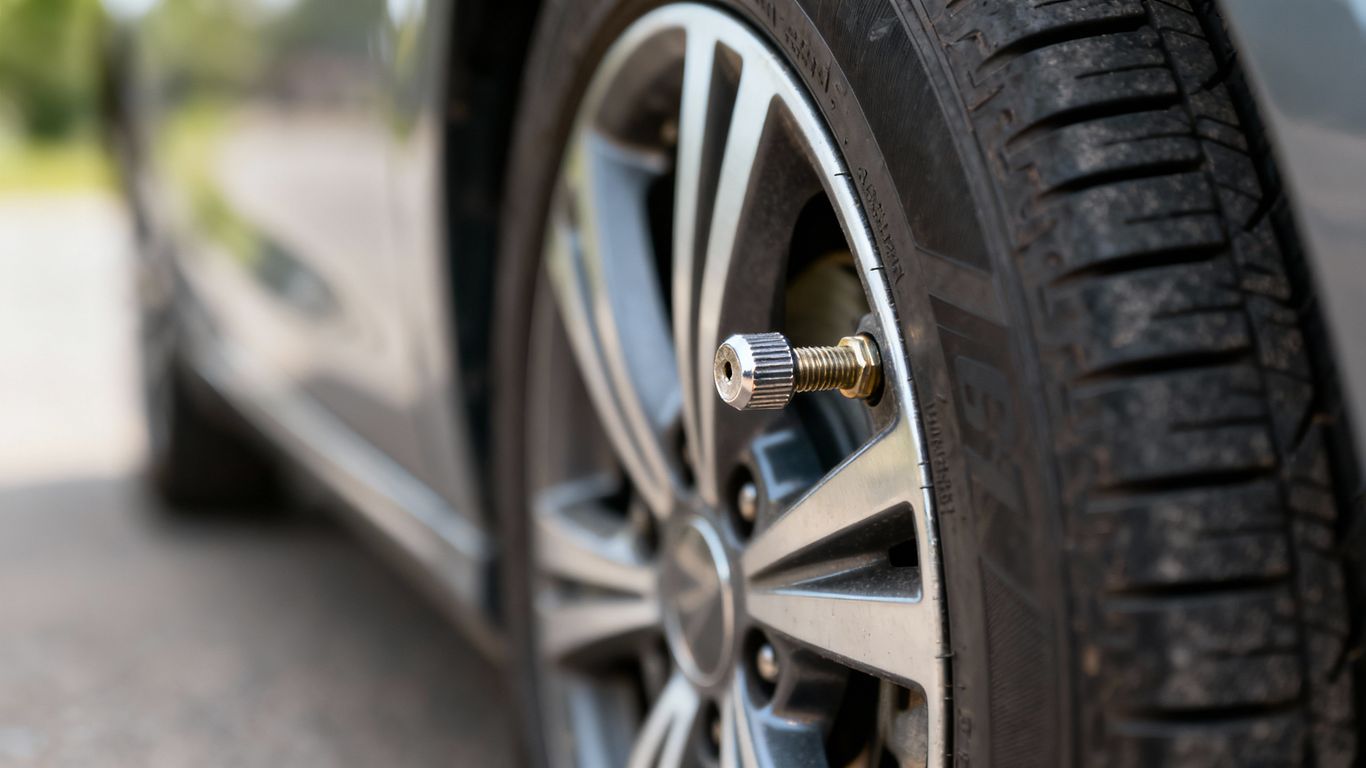
Have you ever really thought about those little caps on your tire valves? You know, the tiny plastic or metal things that seem to just hang out there. Most of us probably don't give them a second thought, and a lot of times, they go missing without us even noticing. But what if these seemingly insignificant accessories actually played a bigger role than we realized? This article dives into the world of tire valve caps, exploring whether they're just a minor detail or something that should be legally required on every vehicle.
Key Takeaways
- Tire valve caps are small but can help keep dirt and debris out of the valve stem, potentially preventing slow leaks.
- While not currently mandatory in most places, some argue for their use to maintain tire purity and prevent valve core issues.
- The primary function of tire caps is protection, not a direct impact on tire pressure or overall tire safety beyond preventing contamination.
- Regularly checking tire pressure and inspecting tires for damage are far more critical for safety than the presence of valve caps.
- Lost or missing tire valve caps are common, and while inconvenient, they rarely cause immediate, serious problems compared to other tire maintenance issues.
The Great Tire Valve Cap Debate: A Conspiracy of Caps?
Are Valve Caps Just Tiny Hats for Your Tires?
If you’ve ever wandered around a parking lot, you might have noticed the odd little caps staring back at you from every wheel. Sure, they look like tiny hats—like your tires are headed to a garden party. But, are these tiny toppers actually necessary or just another bit of decoration, like those fuzzy dice some people still hang from their mirrors? Turns out, these miniature helmets might actually have a job, and it's not just preventing your tire from feeling underdressed at Cars & Coffee.
- They seal out dirt and moisture
- They keep the valve clean and protected
- Occasionally, they spark jealousy in other tires
Some folks swear by chrome for style, others stick with basic black. There’s a cap for every look, but is the fashion statement the main thing, or is there something deeper happening here?
The Secret Life of Tire Valve Caps
Beneath the plastic (or metal) shell, lurks a whole world of drama. While you’re going about your day, your valve cap is busy shielding the delicate valve core from all the grit, water, and road gunk that wants to sneak into your tires. Imagine the valve cap as your tire’s unsung bodyguard—quietly working 24/7, no applause necessary.
Let’s break down what happens when a cap is present (vs. missing):
| Scenario | Cap Present | Cap Missing |
|---|---|---|
| Dirt in Valve | Rare | Common |
| Air Leaks | Unlikely | Sometimes |
| Rust Formation | Unlikely | Likely |
| Chance of Judgmental Looks | Low | High |
Tire valve caps aren’t in it for the fame or recognition—they’re all about consistency, keeping things boring (and safe) every day, rain or shine.
Why Your Tires Might Be Judging Your Cap Choices
Yes, your tires might be completely indifferent to what you put on their stems—or maybe not. Have you ever stood back and looked at your wheels after swapping out for those fake diamond-studded caps? It’s easy to imagine your tires whispering compliments to each other, or side-eyeing that one tire you forgot to re-cap after a quick air top-up.
Some common reasons your tires could be (secretly) judging you:
- You lost a cap and replaced it with a noticeably mismatched one.
- You insist on using ultra-bright neon colors the rest of your car simply can’t pull off.
- You left them bare for weeks and then wondered why there’s gunk clogging the valve.
So while it might seem like nobody notices these humble little caps, your tires know—and they have opinions.
Valve Caps: The Unsung Heroes of Tire Purity
Okay, let's talk about those little plastic or metal doodads on your tire valves. You know, the ones you probably haven't thought about since the last time you checked your tire pressure. Are they just tiny hats for your tires, or do they actually do anything? Turns out, these humble protectors are more important than you might think, keeping the gunk out and your tires happy. It’s like they’re the bouncers at the exclusive club of your tire’s inner workings.
Keeping the Grime Out, One Cap at a Time
Think about it. Your tires are out there, rolling through who-knows-what. Dust, dirt, tiny pebbles, maybe even a rogue bit of chewing gum – it all gets kicked up. The valve stem is a pretty sensitive little opening, and if all that crud decides to take a vacation inside, it can cause problems. A simple valve cap acts as a first line of defense, a tiny shield against the gritty invaders of the road. It’s not rocket science, but it’s effective. Without one, you’re basically leaving the door wide open for all sorts of unpleasantness to sneak in and potentially mess with your tire's ability to hold air properly.
The Existential Threat of Dust Bunnies in Your Valves
Seriously, though. Imagine a world where dust bunnies could infiltrate your car's vital systems. It sounds absurd, but that’s kind of what happens when valve caps go missing. These aren't just any dust bunnies; they're the road-tested kind, full of grit and questionable road debris. Over time, this buildup can actually start to degrade the valve core, leading to slow leaks. It’s like a tiny, slow-motion sabotage mission happening right under your nose. And let's not even get started on the possibility of moisture getting in there, especially during those cold months. That can lead to corrosion, which is definitely not something you want happening to your tire valve components.
Can a Missing Cap Lead to a Tire Tantrum?
While a missing valve cap probably won't cause your tire to spontaneously combust or throw a full-blown tantrum, it can definitely contribute to issues. The most common problem is a slow air leak. If the valve core gets clogged with dirt or debris, it might not seal perfectly. This means your tire could slowly lose pressure over time. You might not notice it right away, but it can lead to underinflation, which, as we all know, is bad news for fuel economy and tire wear. Plus, it’s just annoying having to constantly top up your tires. So, while it might seem like a minor detail, keeping those caps on is a simple way to avoid a lot of potential headaches and keep your tires performing their best.
The Legal Eagle's Take on Tiny Plastic Protectors

So, we've established that tire valve caps are, in fact, tiny hats for your tires. But are they important enough to warrant a spot in the legal code? It's a question that tickles the funny bone, but let's put on our serious (and slightly bewildered) legal hats and see if there's any actual substance to the idea of mandatory valve caps.
If It's Not Illegal, Is It Even Worth Doing?
This is where things get a bit murky. You won't find any laws stating, "Thou shalt not drive without thy valve caps." However, the absence of a specific law doesn't mean there aren't related regulations. Think about it: if a missing valve cap somehow contributed to a tire failure that caused an accident, you might find yourself in a legal pickle. It's unlikely, but not impossible. The general idea is that you're responsible for maintaining your vehicle in a safe condition. So, while the cap itself isn't regulated, the state of your tire valve might be, indirectly. It's like not having a law against wearing mismatched socks, but if your mismatched socks caused you to trip and fall down the stairs, well, that's a different story.
The Case for Mandatory Caps: A Slippery Slope?
Imagine a world where every little car part is mandated. We'd have laws for windshield wipers, laws for hubcaps, and probably laws dictating the exact shade of black for your tires. It sounds absurd, right? Making valve caps mandatory could open the floodgates to over-regulation. Plus, who would enforce it? The Tire Cap Police? It’s a funny thought, but probably not practical.
However, there's a tiny kernel of truth here. Some argue that if caps are essential for preventing dirt and moisture from getting into the valve stem, then perhaps they should be considered a safety item. After all, a compromised valve stem could lead to a slow leak, and nobody wants that. The folks at tire valve caps remind us that these little guys are the first line of defense against grime.
What Happens When the Law Ignores Your Tire's Headwear
Mostly, nothing. Your tires won't spontaneously combust if a cap goes missing. You might notice a bit of dirt or debris around the valve stem, and in very rare cases, it could lead to a slow air leak. But for the most part, the legal system has bigger fish to fry than the presence or absence of tiny plastic caps.
Here's a quick rundown of what could happen, though it's highly improbable:
- Minor Inconvenience: You might see some gunk around the valve stem. Easy to wipe off.
- Slow Leak: In rare instances, debris could interfere with the valve core, causing a slow leak. You'd likely notice your tire pressure dropping over time.
- Accident Contribution (Theoretically): If a valve failure due to debris directly caused an accident, and it could be proven that the lack of a cap was a contributing factor, you might face some liability. This is a long shot, though.
The legal system tends to focus on the big picture: Is the vehicle roadworthy? Are the tires in good condition? Is the driver operating it safely? A missing valve cap usually falls way, way down the list of concerns. It's more of a 'nice to have' than a 'must have' from a legal standpoint.
So, while the idea of mandatory valve caps is amusing, it's unlikely to become a law anytime soon. Just keep an eye on your tire pressure, and maybe pop those caps back on when you think of it. Your tires will thank you, even if the law won't mandate it.
Beyond the Cap: The Real Dangers Lurking in Your Tires
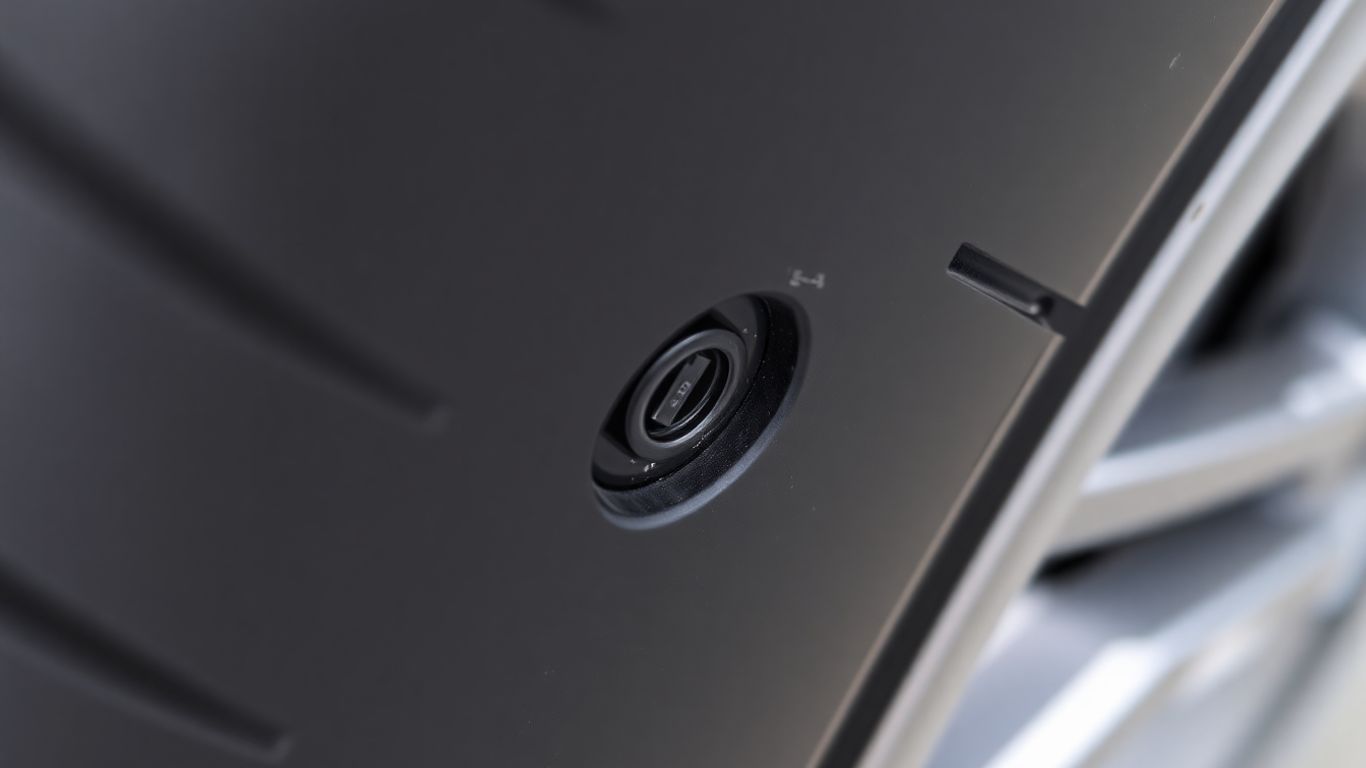
Okay, so we've had a good laugh about the valve cap situation. But let's get serious for a second, because while a missing cap might not be the end of the world, there are some genuinely scary things that can happen with your tires if you're not paying attention. Think of it this way: the valve cap is like the tiny, insignificant hat on a much larger, much more important, and potentially explosive, head.
When a Missing Cap is the Least of Your Worries
Honestly, if the worst thing you can say about your tire situation is that a valve cap has gone AWOL, you're probably doing pretty well. The real problems start when we ignore the bigger picture. We're talking about things that can actually mess with your car's ability to, you know, stop and turn. It’s not just about keeping dust out; it’s about making sure your tires are actually up to the job.
The Shocking Truth About Tire Pressure (and Why Caps Don't Fix It)
Let's talk about tire pressure. This is where things get dicey. Underinflated tires are a recipe for disaster. They wear out faster, they make your car guzzle gas like it's going out of style, and they can even lead to a sudden, terrifying tire failure. We're not talking about a little bit of squishiness here; we're talking about a real safety hazard. Underinflation is the number one enemy of a tire. And guess what? A tiny plastic cap isn't going to magically fix your tire pressure. You need to check it regularly, like, at least once a month. It’s not rocket science, but it is important.
Here’s a quick rundown of why proper inflation matters:
- Fuel Economy: Underinflated tires increase rolling resistance, meaning your engine works harder and burns more fuel. That’s money literally going up in smoke.
- Tire Lifespan: Driving on tires that are too low can cut their life short significantly. More frequent replacements mean more waste and more cash spent.
- Safety: This is the big one. Underinflated tires overheat, increasing the risk of a blowout. Plus, your car's anti-lock brakes and stability control systems might not work right if your tires aren't properly inflated.
You can't always tell if your tires are low just by looking at them. They might seem fine, but they could be significantly underinflated. It's like thinking you're hydrated just because you don't feel thirsty – you might be more dehydrated than you think.
Are Your Tires Trying to Tell You Something (Besides Needing a Cap)?
Your tires are constantly communicating with you, even if they don't have little mouths to speak with. Are they making weird noises? Is the steering pulling to one side? Are you seeing uneven wear patterns on the tread? These are all signs that something is up. Things like wheel alignment and balancing are super important for making sure your tires wear evenly and your car handles properly. Ignoring these issues can lead to premature tire wear and a bumpy, uncomfortable ride. If you suspect any problems, it’s best to get them checked out by a professional. They can spot issues you might miss, like cuts, cracks, or bulges that could mean it's time for a replacement, not just a new valve stem cap.
| Issue | Potential Consequence |
|---|---|
| Underinflation | Increased fuel consumption, premature wear, blowouts |
| Overinflation | Reduced grip, harsh ride, suspension damage |
| Misalignment | Uneven wear, poor handling, increased fuel use |
| Imbalance | Vibrations, uneven wear, suspension component wear |
| Visible Damage | Potential for sudden tire failure |
The Global Conspiracy to Deprive Us of Valve Caps
Okay, let's talk about the elephant in the room, or rather, the tiny plastic cap missing from your tire valve. Have you ever stopped to think about why these little guys disappear? It's almost as if there's a secret society dedicated to liberating them from their rightful posts. Are tire manufacturers in cahoots? Is there a black market for high-end valve caps? And why might your mechanic seem suspiciously nonchalant about your missing cap?
Are Tire Manufacturers in Cahoots?
It's a wild thought, I know. But consider this: tires are big business. Valve caps? Not so much. If every car rolled off the assembly line with perfectly intact valve caps, would there be a need for those little plastic bags of replacements you can buy? Probably not. Maybe, just maybe, the powers that be in the tire world have a vested interest in a steady, albeit tiny, stream of valve cap replacement sales. It's a long shot, but hey, stranger things have happened. Think about it – if they made tires that never lost air pressure, they'd go out of business, right? This feels like a similar, albeit much smaller, scale operation.
The Black Market for High-End Valve Caps
Forget diamonds and gold; the real underground economy might be in custom valve caps. We're talking chrome, carbon fiber, caps shaped like tiny skulls or sports team logos. Do you think these are just readily available at your local auto parts store? I'm picturing shadowy figures in dimly lit garages, exchanging wads of cash for a set of limited-edition, anodized aluminum valve caps. It's the kind of thing that would make a car enthusiast weak in the knees. The demand for personalization is huge, and valve caps are the perfect, low-stakes way to express yourself. Who needs a custom paint job when you can have custom valve caps?
Why Your Mechanic Might Be Hoarding Them
This one's a bit more practical, but still, it fuels the conspiracy fire. Your mechanic sees your car more than you do. They're the ones putting air in your tires, rotating them, and generally getting up close and personal with your valve stems. What if, instead of just tossing a missing cap aside, they're quietly collecting them? Maybe they have a secret stash for their own cars, or perhaps they're building a giant, valve-cap-based art installation in their backyard. Or, more likely, they just have a bin full of them and grab one when they see a bare stem. But where do those bins come from? It's a mystery wrapped in an enigma, covered in a thin layer of rubber dust.
Here's a breakdown of potential valve cap fates:
- The Accidental Escape: Blown off by wind, lost during a tire change, or simply falling off due to old age.
- The Prankster's Prize: A mischievous individual decides your valve stem needs a new adventure.
- The Collector's Cache: Someone, somewhere, is building an impressive collection of single valve caps.
- The Mechanic's Mystery Bin: Where do all those spare caps end up?
The sheer number of missing valve caps across the globe suggests a coordinated effort, or at the very least, a widespread phenomenon that defies simple explanation. It's more than just carelessness; it's a silent epidemic of cap-lessness.
Valve Caps: Fashion Statement or Functional Necessity?
So, we've been talking about whether these little doodads should be a legal requirement. But let's get real for a second. Are we even sure what these things are for? I mean, they look like tiny hats for your tires, right? Some people slap them on with pride, others seem to have lost theirs somewhere between the last gas station and a rogue tumbleweed. It’s a whole thing.
Chrome vs. Plastic: A Style Showdown
Let's face it, valve caps have become a bit of a fashion accessory. You've got your basic black plastic ones that came with your car, probably looking a bit sad and faded. Then there are the shiny chrome ones that scream, "I might know something about cars, or I just like shiny things." And don't even get me started on the novelty ones – little skulls, dice, even tiny American flags. It’s like a miniature billboard for your personality, right there on your wheel. But does any of this actually do anything besides make your car look slightly more interesting?
Do Fancy Caps Actually Improve Tire Performance?
This is where things get dicey. The official word from the tire gods (and probably some dusty old rulebook) is that valve caps are there to keep dirt and moisture out of your valve stem. Think of it as a tiny, insignificant guardian against the elements. Without one, theoretically, gunk could get in, mess with the valve, and maybe, just maybe, cause a slow leak. It's not exactly a high-stakes drama, but it's something. However, the idea that a fancy chrome cap is going to somehow magically improve your tire pressure or make your car go faster? Yeah, that's probably a stretch. It's mostly about keeping the valve stem clean, not about aerodynamics or anything that sounds remotely technical.
The Ultimate Guide to Not Losing Your Valve Caps
Losing valve caps is practically a rite of passage for car owners. They vanish into the ether, probably joining all those missing socks. Here’s a foolproof (okay, maybe just slightly less foolproof) plan:
- When you get new tires or have them serviced: Make sure the shop puts caps back on. If they don't, ask. Politely, of course. Or, you know, with a stern glare.
- Keep a spare set: Seriously, just buy a pack of cheap plastic ones and keep them in your glove compartment. They’re like emergency bandaids for your tires.
- The Super Glue Method (Use with Extreme Caution): Some people swear by putting a tiny dab of glue on the inside of the cap before screwing it on. This is a permanent solution, so only do this if you're absolutely sure you'll never want to remove it. Probably not recommended for the average Joe.
Ultimately, while a missing valve cap isn't going to cause your tire to spontaneously combust, it's a small detail that can prevent minor annoyances. Think of them as the unsung, often lost, heroes of tire maintenance. They might not be stylish, but they do serve a purpose, however small.
So, About Those Little Caps...
Look, we've talked a lot about tires, pressure, and all that jazz. But the humble valve cap? It's like the unsung hero of your wheel. Does it need a law? Probably not. But maybe, just maybe, give it a little nod of appreciation next time you see one. It's out there, doing its tiny, dusty job, keeping the air in. And honestly, in this crazy world, that's something worth tipping your hat to. Or, you know, just putting the cap back on after you check your pressure. That works too.
Frequently Asked Questions
What exactly is a tire valve cap and what does it do?
A tire valve cap is a small, often plastic or metal cover that screws onto the top of your tire's valve stem. Its main job is to keep dirt, moisture, and other gunk out of the valve. Think of it like a tiny hat for your tire's air nozzle, protecting the important part inside that lets air in and out.
Can I drive without tire valve caps, or is it a big deal?
While your tires won't immediately deflate if you're missing a cap or two, it's not the best idea. The valve stem can still let in dust and water, which can eventually mess with the valve's seal and cause slow leaks. Plus, it's super easy to just pop them back on!
Are there any legal rules about having tire valve caps on my car?
In most places, there aren't specific laws saying you *must* have tire valve caps on your car. However, keeping your tires in good shape is important for safety, and valve caps help with that. Some regulations focus on tire safety overall, and missing caps could be seen as a minor oversight in proper maintenance.
What's the difference between regular air and nitrogen in my tires?
Regular air is mostly nitrogen anyway, but filling your tires with pure nitrogen can help keep the pressure more stable when the temperature changes. It also might help prevent the rubber from breaking down as quickly over time. It's not a huge difference for everyday drivers, but some people swear by it.
How often should I check my tire pressure, and why is it so important?
You should check your tire pressure at least once a month, and definitely before any long trips. Properly inflated tires are crucial for your car's safety, how well it handles, and how much gas it uses. Tires that are too low or too high in pressure can wear out faster and even lead to dangerous blowouts.
Besides valve caps, what are the most important things to do for my tires?
The most important things are checking the air pressure regularly, making sure the tires are wearing evenly, and inspecting them for any cuts, bulges, or cracks. Rotating your tires every so often also helps them last longer. Basically, giving your tires a little attention can prevent big problems down the road.


Comments
Post a Comment